PetGrit
Cats breed Small to medium

European Burmese

European Burmese is a cfa recognized cat breed profile in PetGrit's expanded breed library, built to help you compare fit, care load, temperament, and health questions before you choose.

breed-standard dependentpeople-orientedneeds informed matching
Updated June 14, 2026 Reviewed against The Cat Fanciers' Association (CFA), European Burmese breed resources
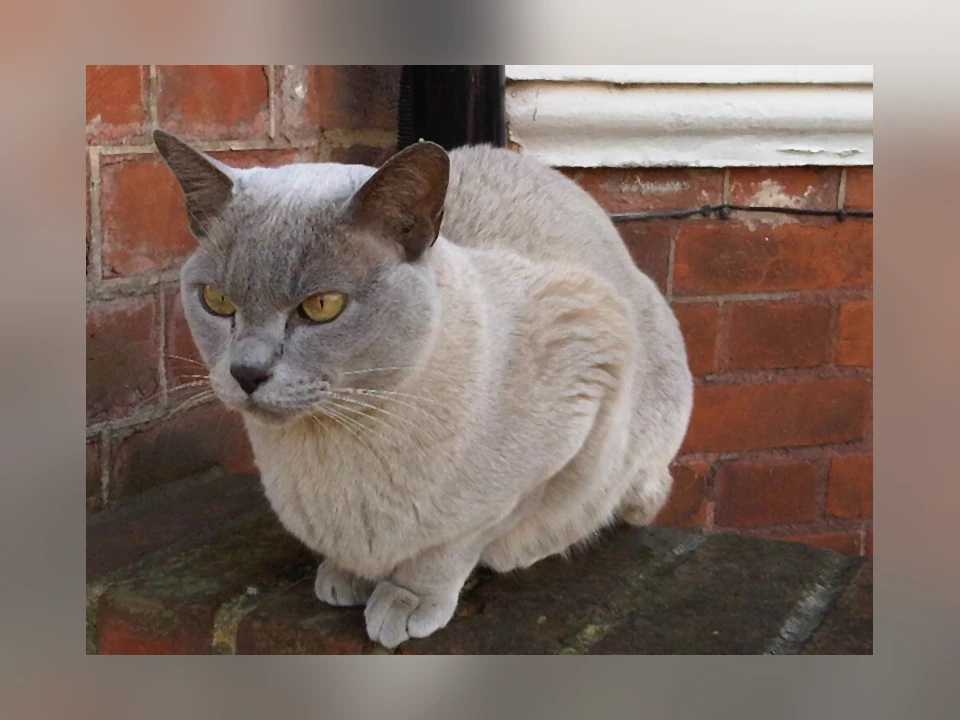
European Burmese cat in a natural setting

Care OS lens

Create a European Burmese care file

Fold this breed context into a printable PetGrit handoff with health-watch notes, body-shape cues, and questions for your next visit.

Build care file

Watch first

Not ideal for anyone choosing by appearance alone, skipping breeder or rescue screening, or assuming every European Burmese will fit the same home. Individual temperament, early socialization, health screening, and lifestyle matter.

Personalized next step

Create a European Burmese care brief

Carry this breed profile into a printable PetGrit report with health-watch notes, trait context, body-shape cues, and vet-visit questions.

Build care brief

Overview

The European Burmese is part of PetGrit’s expanded cat breed library, added to make the breed section match the official CFA benchmark more completely. This profile is intentionally practical: it gives you a safe starting point for comparing care needs, temperament fit, grooming load, and the health questions to raise before you choose.

Daily life

Expect the day-to-day experience to depend on the individual animal and the line behind it. Breed standards describe structure and history, but a real home match comes down to energy, sociability, handling tolerance, grooming needs, and how much time the household can give. Meet adult examples when possible, because adults show the mature temperament better than young animals do.

Care and grooming

Coat length and texture vary by breed standard; plan grooming around the individual cat’s coat. Keep nails, teeth, ears, parasite prevention, and weight management on a routine schedule. If the coat is longer, denser, curly, corded, wiry, or heavy-shedding, budget for more brushing or professional grooming. A responsible breeder or rescue should be able to explain the actual upkeep for their line.

Health

No breed is risk-free. For European Burmese, the safest approach is to ask what health screening is recommended, request documentation, and discuss the breed’s common concerns with your veterinarian. Keep the animal lean, build exercise gradually, and treat changes in appetite, breathing, gait, urination, or energy as reasons to call your vet rather than wait.

Who they suit

The European Burmese suits people who want to make an informed match, not a quick visual choice. Start with the official standard, then look for adults with stable temperaments, transparent health records, and a breeder or rescue willing to talk about the hard parts as clearly as the charming ones.

Best for

European Burmese is best for people who want to compare a recognized breed carefully before committing, meet responsible breeders or rescue contacts, and match the animal's grooming, activity, and social needs to real daily life.

Maybe not for

Not ideal for anyone choosing by appearance alone, skipping breeder or rescue screening, or assuming every European Burmese will fit the same home. Individual temperament, early socialization, health screening, and lifestyle matter.

Health to watch

Common in the breed — not a diagnosis. A good breeder screens for these, and your vet can guide prevention and early care.

  • Breed-specific inherited conditions — Ask breeders which health tests are recommended for European Burmese, and request documentation rather than verbal assurances.
  • Weight and joint strain — Keep body condition lean and ask your vet about growth, exercise, and weight targets, especially for large or very active lines.
  • Dental and preventive care — Routine dental care, parasite prevention, and annual wellness exams are still the foundation even when a breed is generally robust.

Sources

  • The Cat Fanciers' Association (CFA), European Burmese breed resources — CFA breed standard and recognized breed resources
  • OFA / breed-club health screening resources — Use breed-specific testing recommendations where available before breeding or buying.
  • Merck Veterinary Manual — General preventive-care and inherited-condition reference.

Frequently asked questions

Is the European Burmese a good breed for first-time owners?

It can be, but only if the household is ready for the European Burmese's grooming, exercise, training, and social needs. Meet adults of the breed, ask direct health-screening questions, and avoid choosing on looks alone.

What should I ask a European Burmese breeder or rescue?

Ask about temperament in the home, health testing, age-appropriate socialization, grooming upkeep, return policies, and what problems they most often see in the breed.

Does every European Burmese act like the breed description?

No. Breed tendencies help with screening, but individual genetics, early handling, training, health, and home environment can change the day-to-day picture a lot.

Similar breeds