Origins
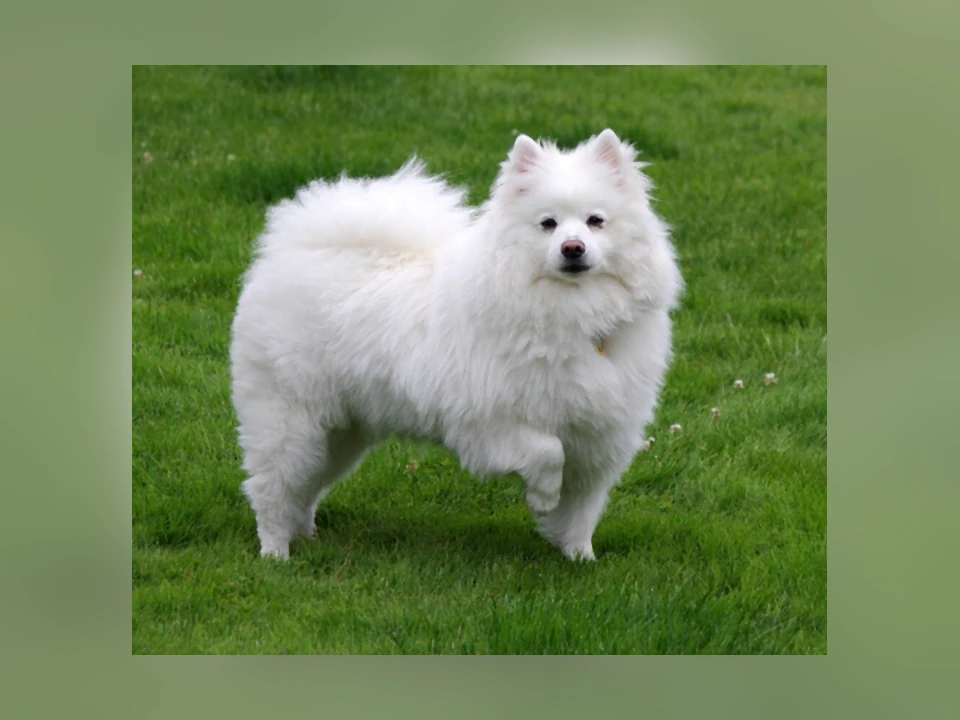
The American Eskimo Dog — affectionately called the ‘Eskie’ — is American by development but German by ancestry. It descends from the German Spitz, brought to the United States by European immigrants. During the anti-German climate of World War I, the breed was renamed, and the ‘American Eskimo Dog’ name stuck despite having nothing to do with Arctic peoples or sled dogs. In the early 20th century the breed became a beloved circus and exhibition star, prized for its dazzling white coat and remarkable trainability. The AKC recognized it in 1995 and placed it in the Non-Sporting Group.
Three sizes, one dog
The Eskie comes in Toy, Miniature, and Standard varieties, ranging from a roughly 6-pound lapdog to a sturdy 35-pound companion. The temperament is the same across all three — it’s purely a matter of choosing the size that fits your living situation. Smaller varieties are slightly more prone to knee problems, which is worth keeping in mind.
Personality and daily life
Eskies are bright, lively, and deeply attached to their people. They are also natural watchdogs: alert, observant, and quick to bark at anything new. That makes them excellent alarm systems but means barking needs early management. They bond closely and don’t love being left alone for long stretches; a bored or lonely Eskie can become anxious and noisy. With family they are affectionate, playful, and famously good at learning tricks.
Exercise and training
This is one of the most trainable companion breeds you’ll find, and it needs that brain put to work. Daily walks plus games, puzzle toys, trick training, or a dog sport like rally or agility keep an Eskie happy and out of trouble. They respond beautifully to positive, reward-based training and far less well to harsh correction. Skip the mental stimulation and you’ll get a dog that entertains itself — usually by barking.
Grooming
That brilliant white double coat is lower-maintenance than it looks. It rarely needs trimming and tends to shed dirt, but it does shed hair year-round with heavier seasonal sheds. Brush a couple of times a week (more during shedding season) to prevent mats and manage loose hair. Bathe only as needed; over-bathing strips the coat’s natural oils.
Health
Eskies are generally healthy and long-lived, but a few inherited conditions deserve attention. Progressive retinal atrophy (PRA) causes gradual vision loss and is screenable by DNA test — insist on it. Patellar luxation (slipping kneecaps) is more common in the smaller varieties. Hip dysplasia appears in the breed, especially in Standards, so hip evaluations on breeding parents matter. The breed is also among those with a noted tendency toward diabetes, so keeping your dog lean and watching for increased thirst or urination is sensible. A good breeder will share PRA, knee, and hip clearances on both parents.
Who this breed is for
The American Eskimo Dog is ideal for an owner who wants a smart, interactive, affectionate companion and is happy to train and engage with it daily. It rewards effort with a dog that can learn almost anything. It’s less suited to people who want a quiet, independent dog or who are away from home for long hours — an under-stimulated Eskie will let the whole neighborhood know about it.