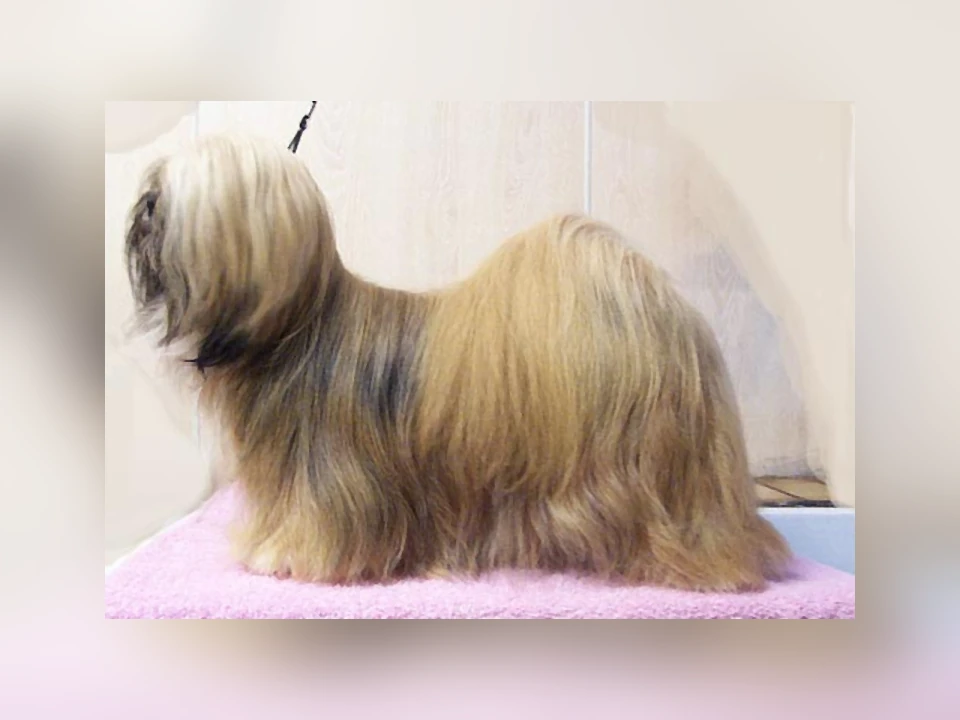
A monastery dog with a 2,000-year résumé
The Lhasa Apso is one of the oldest recognized breeds on earth, developed inside Tibetan monasteries and noble homes as an indoor sentinel. While the larger Tibetan Mastiff guarded the gates, the small, sharp-eared Lhasa stayed inside and raised the alarm. That history explains almost everything about the dog you live with today: independent, watchful, and convinced its job is to decide who belongs.
Personality: dignified, not a doormat
Don’t let the size or the flowing coat fool you. The Lhasa is self-possessed and a little aloof with strangers, warming up on its own timeline rather than yours. With its own people it is genuinely affectionate and loyal, but it keeps a streak of stubborn independence that owners either find charming or maddening. They are clever and assertive, which is a polite way of saying they will train you if you let them.
Daily life, exercise, and training
This is a low-energy breed by working-dog standards. A couple of short walks and some indoor play meet its needs, which makes it a legitimately good apartment dog. That low drive does not mean it’s easy to train—Lhasas are smart but not eager to please, so progress comes from short, upbeat, reward-based sessions and a lot of patience. Harsh corrections backfire and make them shut down. Early socialization is essential to soften the natural wariness into polite reserve rather than nuisance barking or snappiness.
Grooming: the real commitment
The Lhasa’s glory is its heavy, floor-length double coat, and it is the single biggest reason people underestimate this breed. A full coat mats fast and demands daily brushing plus regular baths. Most pet owners are far happier maintaining a short ‘puppy clip’ every six to eight weeks, which still means brushing between visits, keeping the eye area clean, and staying on top of ears and nails. Hair growing into the eyes can irritate the cornea, so trimming or tying up the topknot matters for comfort, not just looks.
Health you should actually watch
Lhasas are generally long-lived, often reaching 12–15 years, but a few real, documented issues deserve attention. Hereditary renal dysplasia—a congenital kidney malformation—shows up young and has no cure, so a responsible breeder screens for it. Eyes are the other watch area: keratoconjunctivitis sicca (dry eye) is common and usually needs lifelong drops, and the breed also sees progressive retinal atrophy, cherry eye, and entropion. Slipping kneecaps (patellar luxation) round out the small-breed orthopedic risks. Ask any breeder for kidney and eye clearances, and budget for routine veterinary eye checks.
Who this breed is for
The Lhasa Apso suits a patient, somewhat experienced owner who wants a small, dignified companion and watchdog, and who genuinely commits to coat care. It fits apartments and quieter homes beautifully. It is a poor match for someone expecting instant obedience, for chaotic households with very young kids, or for anyone who won’t keep up the grooming. Get those expectations right and you get a loyal, characterful dog that will out-stubborn and out-live a lot of trendier breeds.