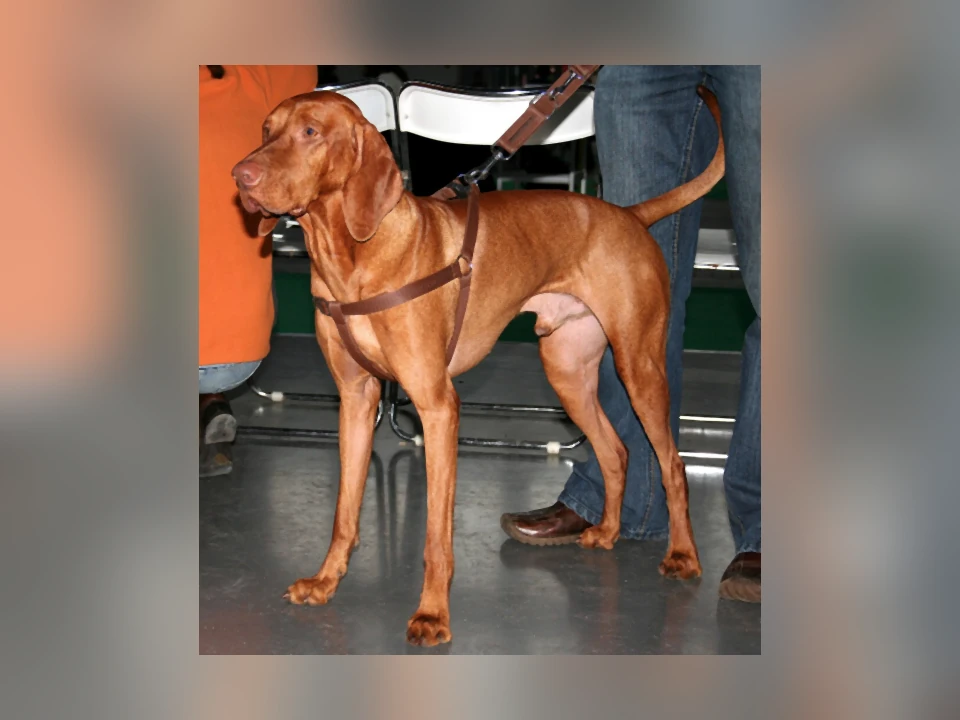
Meet the Vizsla
The Vizsla is a sleek, golden-rust Hungarian pointer built for endurance and bred for closeness. Developed centuries ago by Hungarian hunters who wanted a versatile gun dog that could point, retrieve, and trail, the breed nearly vanished after the World Wars before dedicated fanciers brought it back. Today’s Vizsla keeps that dual identity: a tireless field athlete and a deeply devoted housemate.
What sets the breed apart is not just its lean, elegant frame or that distinctive solid rusty-gold coat. It is the temperament. Vizslas are often called the original “velcro dog” because they want to be physically near their people, all the time. If you move from the couch to the kitchen, your Vizsla moves with you. For the right owner, that constant companionship is the whole point. For the wrong one, it can feel like too much.
Personality & temperament
Vizslas are affectionate, sensitive, and intensely people-bonded. They are smart and biddable, which makes them rewarding to train, but that same sensitivity means harsh corrections backfire quickly. They respond best to patient, reward-based methods and clear routines.
The flip side of all that devotion is that Vizslas truly cannot stand being alone. This is not a stubborn dog choosing to misbehave; it is a breed wired to stay with its family. Left isolated for long hours, many Vizslas develop genuine separation anxiety, which can show up as howling, pacing, destruction, or self-injury. Building independence gradually from puppyhood matters more for this breed than almost any other.
Socialize early and often. A well-raised Vizsla is friendly with people and usually good with other dogs, though their bird-dog heritage means small pets and a strong prey drive don’t always mix.
Living with a Vizsla
Be honest with yourself about your lifestyle before bringing one home. Vizslas have VERY high exercise needs: plan on one to two hours of vigorous activity every day, ideally a mix of running, hiking, swimming, fetch, or dog sports like agility and field work. A walk around the block will not cut it.
Just as important is mental work. These are thinking dogs that get bored fast, and a bored Vizsla often becomes an anxious, destructive one. Puzzle feeders, training games, scent work, and a job to do go a long way.
They also need an owner who is home a lot. A Vizsla left alone nine hours a day is a recipe for misery on both ends of the leash. And because the breed has a thin, single coat with very little body fat, they feel the cold sharply. In chilly or wet weather, expect to use a dog coat, and never leave a Vizsla outside in harsh conditions.
Grooming & care
Grooming is genuinely easy, one of the lowest-maintenance parts of owning this breed. The short, smooth coat needs only an occasional wipe-down or quick brush, and the dog stays naturally clean. Shedding is low to moderate, and baths are needed only now and then.
The one care item to stay on top of is the ears. Like other pointing breeds, Vizslas have floppy, drop ears that trap warmth and moisture, which makes them prone to ear infections, especially in dogs that swim. Check the ears weekly, dry them after water time, and watch for head-shaking, odor, or redness. Routine nail trims and dental care round out a simple grooming routine.
Health
Vizslas are, on the whole, a healthy and athletic breed with a typical lifespan of around 12 to 14 years. That said, “generally healthy” is not the same as risk-free, and responsible buyers should understand the breed’s known issues.
Orthopedically, hip dysplasia occurs, so look for parents with OFA or PennHIP hip evaluations. The breed also has a recognized predisposition to idiopathic epilepsy; seizures typically require lifelong management with your veterinarian, and reputable breeders are open about seizure history in their lines. Certain cancers, particularly lymphoma and mast cell tumors, appear in the breed, so report new lumps or unexplained weight loss promptly.
As a deep-chested dog, the Vizsla also carries some risk of bloat (gastric dilatation-volvulus), a true emergency every owner should learn to recognize. Eye conditions such as entropion and progressive retinal atrophy, along with the ear issues noted above, are worth screening for as well.
The single best protection is buying from a breeder who health-tests parents through OFA and a veterinary ophthalmologist, or adopting from a rescue that is transparent about a dog’s history. Individuals vary, and no test guarantees a problem-free dog, but health-tested parents stack the odds in your favor.
Is a Vizsla right for you?
A Vizsla is one of the most rewarding companions you can own, if your life genuinely matches its needs. The ideal home belongs to a very active, home-a-lot owner or family who wants a devoted athletic partner woven into daily life: someone who runs, hikes, or trains, and who can keep the dog company most of the day.
A Vizsla is the wrong dog for a sedentary household, or for anyone who is away from home all day. Without enough exercise and companionship, this affectionate breed becomes anxious and unhappy, and so do the people living with it. Choose a Vizsla because you want a shadow, a running buddy, and a velcro dog for the next decade-plus. Choose another breed if you want a low-key, independent pet.