PetGrit
Dogs breed Medium

American Pit Bull Terrier

Athletic, devoted, and the subject of more myth than almost any dog — here's the honest version.

confidentaffectionateeager to pleaseathletictenaciouspeople-oriented
Updated June 12, 2026 Reviewed against United Kennel Club (UKC)
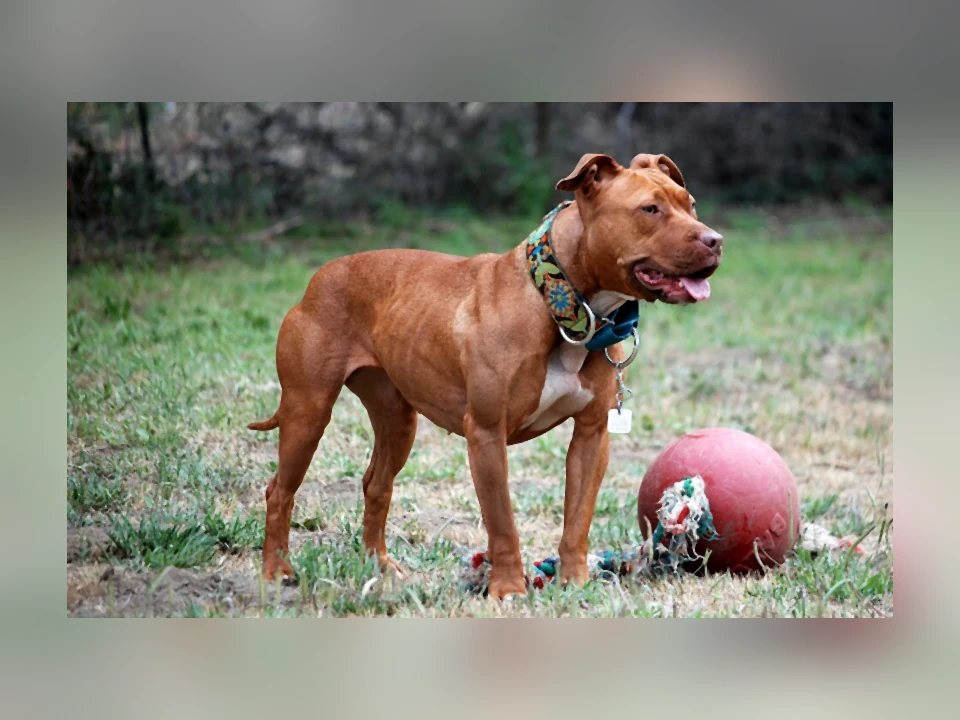
American Pit Bull Terrier dog in a natural setting

Care OS lens

Create a American Pit Bull Terrier care file

Fold this breed context into a printable PetGrit handoff with health-watch notes, body-shape cues, and questions for your next visit.

Build care file

Watch first

First-time dog owners, sedentary households, people who can't accommodate BSL/housing/insurance restrictions, or homes with multiple unfamiliar dogs where dog-dog tolerance isn't actively managed.

Personalized next step

Create a American Pit Bull Terrier care brief

Carry this breed profile into a printable PetGrit report with health-watch notes, trait context, body-shape cues, and vet-visit questions.

Build care brief

Origin

The American Pit Bull Terrier descends from the same 19th-century English bull-and-terrier crosses that produced its relatives, brought to the United States and developed as a working farm dog, catch dog, and all-purpose companion. It’s recognized today by the United Kennel Club (which first registered it in 1898) and the American Dog Breeders Association, but not by the AKC — whose closest counterpart is the American Staffordshire Terrier, sharing much of the same bloodline. The term ‘Pit Bull’ is often used loosely for several bull-type breeds and lookalike mixes, which is part of why myth and reality diverge so sharply for this dog.

Personality and daily life

A good APBT is confident, affectionate, and almost comically eager to please its people. These are athletic, intelligent dogs with a deep desire to be part of the family — they thrive on attention and physical closeness and do poorly when isolated or relegated to a yard. Historically, handleability and friendliness toward people were prized traits, and human-directed aggression is regarded as a serious fault, not a breed characteristic.

Where honest ownership matters most is dog-dog interaction: tolerance of other dogs varies more in this type, and responsible owners manage introductions and multi-dog situations carefully rather than assuming every dog will be a friend.

Exercise and training

This is one of the higher-energy bull breeds, and it shows. Plan on well over an hour of vigorous daily activity — running, fetch, tug, hiking, or dog sports like agility, dock diving, and weight pull, where APBTs frequently excel. Mental stimulation is just as important; a bored, under-exercised APBT can become destructive or frustrated.

They’re smart and food-motivated, which makes them very trainable with positive, reward-based methods. Early and ongoing socialization is essential. Their strength and athleticism mean leash skills and reliable recall are worth real investment.

Grooming

Coat care is minimal: a weekly rub-down with a curry brush keeps the short coat glossy, plus occasional baths. They shed moderately. Nails, ears, and teeth need routine attention — and because the breed is allergy-prone, keep an eye on the skin.

Health

With responsible breeding, APBTs are sturdy dogs that often reach 12-16 years. Watch for hip dysplasia (screen breeding dogs, keep your dog lean), skin allergies and atopic dermatitis (common and usually manageable), and heart disease including aortic stenosis (cardiac exam recommended). Lines overlapping with American Staffordshire Terrier ancestry can carry inherited cerebellar ataxia (NCL-A), for which a DNA test exists. As an active medium breed, they’re also prone to patellar luxation and cruciate ligament injuries — fitness and a healthy weight protect the joints.

Who this breed suits

The APBT suits an experienced, active owner who wants a devoted, athletic companion and will commit to socialization, training, and daily exercise. Be honest with yourself about the practical realities: breed-specific legislation, rental restrictions, and insurance limitations affect Pit Bull-type dogs in many places, and managing dog-dog interactions is an ongoing responsibility. Meet those commitments and you get a loyal, joyful dog that’s far better than its reputation — fail them, and you let down a breed that’s already unfairly judged.

Best for

Experienced, active owners who will invest in early socialization and positive training, can meet high exercise needs, and are prepared to navigate breed-specific legislation (BSL), rental restrictions, and insurance limitations as part of responsible ownership.

Maybe not for

First-time dog owners, sedentary households, people who can't accommodate BSL/housing/insurance restrictions, or homes with multiple unfamiliar dogs where dog-dog tolerance isn't actively managed.

Health to watch

Common in the breed — not a diagnosis. A good breeder screens for these, and your vet can guide prevention and early care.

  • Hip dysplasia — A malformed hip joint leading to arthritis and lameness in this athletic breed. OFA/PennHIP screening of breeding dogs and lifelong lean body condition help; avoid forced repetitive impact in puppyhood.
  • Skin allergies and atopic dermatitis — The short coat and breed are prone to environmental and food allergies causing itching, hot spots, and recurrent ear and skin infections — usually manageable with a vet's allergy plan.
  • Heart disease — Congenital cardiac defects, including aortic stenosis, are reported in the breed; a cardiac exam of breeding stock is recommended.
  • Cerebellar ataxia (NCL) — Pit-bull-type lines overlapping with American Staffordshire Terrier ancestry can carry the inherited cerebellar ataxia (NCL-A) mutation; a DNA test is available for at-risk lines.
  • Patellar luxation and cruciate ligament injury — Kneecap dislocation and cranial cruciate ligament tears occur in active medium dogs and can cause lameness; keeping your dog fit and lean lowers risk.

Sources

  • United Kennel Club (UKC) — American Pit Bull Terrier breed standard — Size, coat, temperament, and registry status
  • ASPCA — Position statement on Pit Bulls and breed-specific legislation — Temperament, breed identification, and BSL context
  • Merck Veterinary Manual — Hip dysplasia, atopic dermatitis, cardiac disease, and orthopedic injury background
  • AKC Canine Health Foundation — Cerebellar Ataxia (NCL-A) — Inherited ataxia in overlapping bull-and-terrier lines

Frequently asked questions

Is the American Pit Bull Terrier a recognized breed?

It's recognized by the United Kennel Club (UKC) and the American Dog Breeders Association (ADBA), but not by the American Kennel Club. The AKC's closest equivalent is the American Staffordshire Terrier, which shares much of the same ancestry. 'Pit Bull' is also used loosely for several bull-and-terrier breeds and mixes.

Are Pit Bulls inherently dangerous or aggressive toward people?

No — human-directed aggression is considered a serious fault, and historically these dogs were bred to be handleable and friendly with people. Bite statistics are heavily confounded by breed misidentification and ownership factors. Any individual dog's behavior depends on breeding, socialization, training, and management far more than label.

Can American Pit Bull Terriers live with other dogs?

Many do, but dog-directed reactivity is more variable in this type, so introductions and multi-dog homes should be managed carefully and never taken for granted. Early socialization helps, but responsible owners supervise and don't leave dogs of any breed unsupervised together.

What is breed-specific legislation (BSL) and does it affect Pit Bulls?

BSL refers to laws that restrict or ban specific breeds or types, and 'Pit Bull-type' dogs are the most commonly targeted. Depending on your city, country, rental housing, or insurer, you may face restrictions, mandatory muzzling, or outright bans. Check local laws before committing — it's part of responsible ownership.

Similar breeds