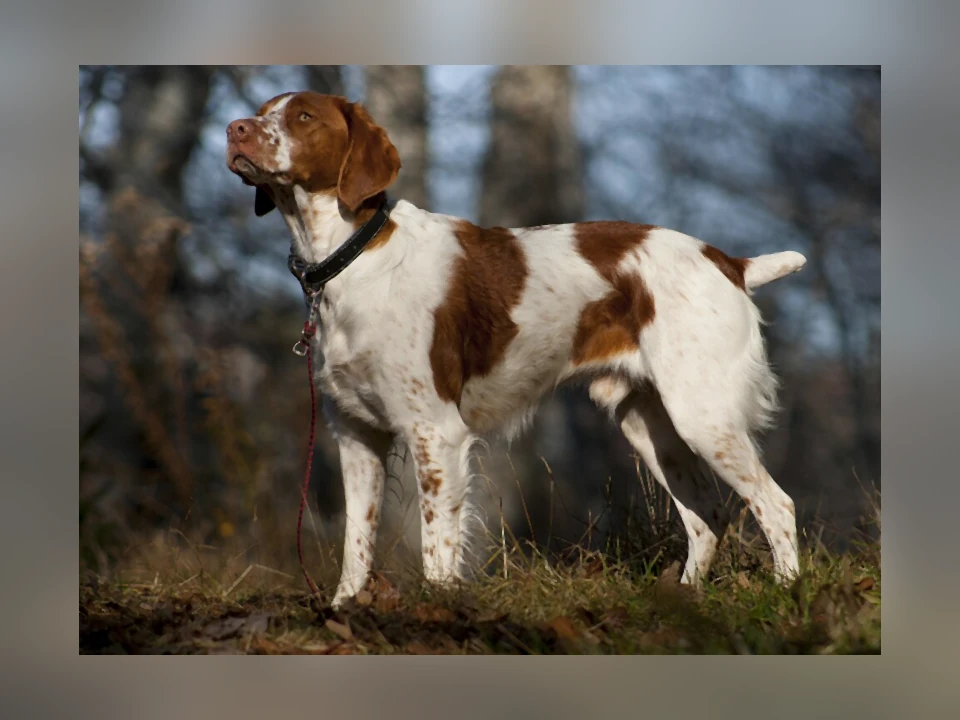
Meet the Brittany
The Brittany is a compact, athletic bird dog that punches well above its size. Originally bred in the French region of Brittany as a versatile gun dog, it both points and retrieves game, which is unusual for a single breed. The result is a medium-sized dog, typically 30 to 40 pounds, built for endurance rather than bulk: light on its feet, deep-chested, and tireless in the field.
Despite the leggy, elegant look, the Brittany is a working dog through and through. It was developed to cover ground all day for a hunter on foot, and that heritage shows in its drive and stamina. People often expect a smaller spaniel-type lapdog and are surprised by just how much go-power lives inside this friendly, eager package.
Personality & temperament
Brittanys are energetic, intelligent, and intensely people-oriented. They are eager to please and biddable, which makes them a joy to train when you use kind, motivating methods. They pick up cues quickly and genuinely seem to enjoy working alongside their person.
The flip side of that sensitivity is that Brittanys do not handle harsh handling well. Yelling, heavy corrections, or rough discipline can shut a Brittany down or make it timid, undoing weeks of progress. Positive reinforcement, consistency, and patience get the best from them. They want company and a purpose; a bored, isolated Brittany can become anxious, vocal, or destructive. Give one a job, whether that is hunting, agility, scent work, or simply a structured daily routine, and you will see this breed at its happy, confident best.
Living with a Brittany
This is the part to be honest about: the Brittany needs a great deal of exercise. We are talking one to two hours of vigorous activity every day, ideally combining physical work with mental challenge. A jog, a long off-leash run in a safe area, a hike, a game of fetch, plus some training or nose work is closer to the mark than a leisurely stroll. They are an excellent match for runners, hikers, hunters, and dog-sport enthusiasts, and a poor match for anyone hoping for a couch companion.
Because Brittanys bond so closely to their families, they are prone to separation-related distress when left alone for long stretches. If your days involve long absences, plan for company, enrichment, and a gradual approach to alone-time training; our guide on separation anxiety in dogs walks through practical steps. A well-exercised Brittany who has had its needs met is far easier to leave settled and calm.
One more practical note: those pretty pendant ears hang down and trap warmth and moisture, which can set the stage for recurring ear infections, especially in dogs that swim or work in wet cover. Check and dry the ears regularly and learn the early signs in our guide to dog ear infections.
Grooming & care
Grooming a Brittany is refreshingly easy. The coat is dense, flat or slightly wavy, with light feathering on the legs, chest, and ears. A weekly brush keeps it tidy and helps you spot burrs, ticks, and skin issues, with a little extra attention during seasonal shedding. The coat is naturally somewhat dirt-resistant, so most Brittanys need bathing only when they are genuinely dirty.
Round out the routine with the basics every dog needs: regular nail trims, teeth brushing, and those all-important ear checks. Keeping your Brittany at a lean, athletic weight also protects its joints over the long run.
Health
Brittanys are generally a healthy, hardy breed, and many live active lives into their early or mid teens. That said, no breed is free of risk, and responsible breeding matters enormously here.
The conditions worth knowing about include hip dysplasia, a developmental joint problem that the Orthopedic Foundation for Animals (OFA) and PennHIP screening programs help breeders select against. Idiopathic epilepsy, causing seizures with no other underlying cause, appears in some lines, so ask breeders directly about seizure history. Hypothyroidism, an underactive thyroid that can cause weight gain and coat changes, is manageable once diagnosed. A handful of inherited eye conditions are also seen, which is why OFA eye exams are part of responsible screening. And as noted above, the floppy ears make ear infections a recurring nuisance to stay ahead of.
The single best thing you can do is start with health-tested parents. Ask any breeder to show OFA hip and eye results, and walk away from anyone who cannot or will not. Then keep your own dog lean, since excess weight strains those working joints; if you are unsure where your dog stands, our guide on whether your dog is overweight can help. Like other deep-chested, athletic breeds, Brittanys can also be vulnerable to bloat, so it is worth knowing the warning signs of bloat and GDV.
Is a Brittany right for you?
A Brittany can be one of the most joyful, affectionate, and reliably healthy companions you will ever share a home with, but only if your life has room for its energy. For the runner, the weekend hiker, the hunter, or the dog-sport competitor who wants a close, biddable partner, it is hard to beat. For a quiet household, long workdays with no company, or anyone hoping for a low-activity dog, the same traits become a daily struggle for both of you.
If you are drawn to the type but want to compare, take a look at the German Shorthaired Pointer, the Vizsla, and the English Springer Spaniel. Whether you buy from a responsible, health-testing breeder or adopt through a Brittany-specific rescue, prioritize sound temperament and screened health over looks, and remember that every individual dog varies.