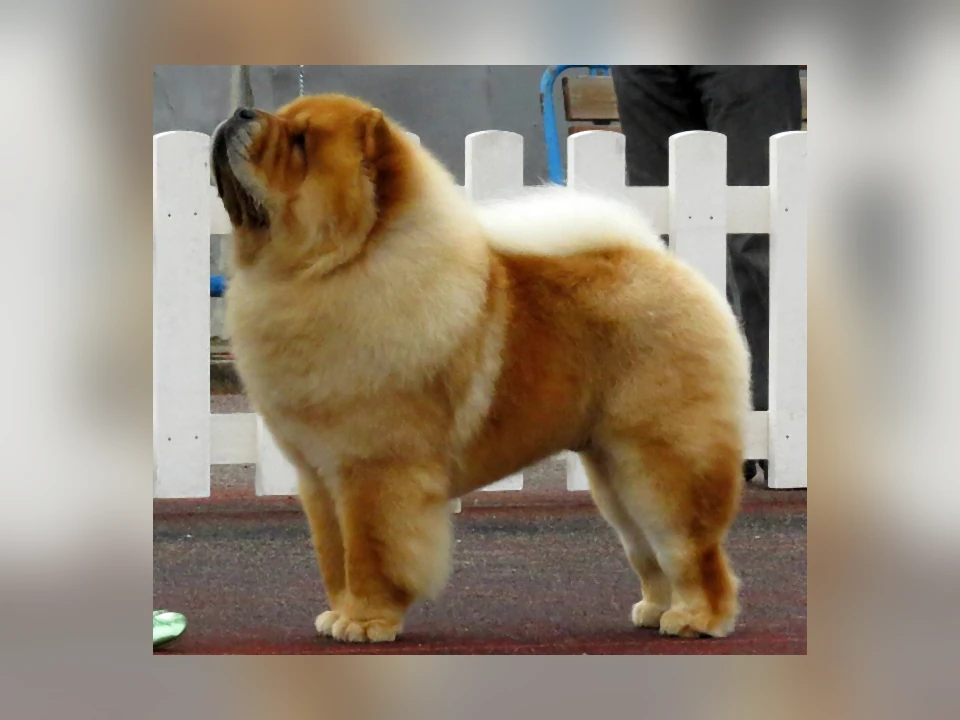
Meet the Chow Chow (ancient, dignified, and unmistakably itself)
The Chow Chow is one of the oldest recognized dog breeds, with roots in northern China going back thousands of years, where it served as a guardian, hunter, and all-purpose working dog. Today it is best known for its lion-like mane, scowling expression, stilted gait, and the famous blue-black tongue that sets the breed apart. Weighing 45 to 70 pounds, the Chow comes in two coat types—rough (long) and smooth—both with a dense double coat.
The Chow’s temperament is as distinctive as its looks. This is a dog of deep dignity and reserve, often compared to a cat: loyal to its own people, indifferent to the rest of the world, and very much its own animal.
Personality & temperament
Chow Chows are devoted but undemonstrative. They bond closely with their family and can be touchingly loyal, yet they are typically aloof with strangers and not naturally eager to please. They are independent thinkers who do not live for praise the way a retriever might, which makes them more challenging to train and unsuited to owners who want a cuddly, biddable companion.
Because they are territorial and protective, early and ongoing socialization is non-negotiable. A well-socialized Chow is calm and discerning; a poorly socialized one can be wary or reactive. They often do best as the only pet and in homes with adults or older, respectful children. Individual temperament varies with breeding and upbringing.
Exercise & daily life
Chows have moderate-to-low energy. A couple of daily walks and some play are usually enough—this is not a breed that needs hours of running. Their dense coat and shortened muzzle make them prone to overheating, so exercise in the cool parts of the day, provide shade and water, and never leave a Chow in a hot room or car. They are quiet, dignified housemates that tend to be clean and easy to live with indoors.
Grooming & care
That magnificent coat is a real commitment. Both varieties shed year-round and blow their coat heavily a couple of times a year. Brush several times a week—daily during shedding season—paying attention to the dense mane and the areas behind the ears and legs where mats form. The smooth variety needs less work than the rough but still requires regular grooming. Keep the facial folds clean and dry, trim nails, and stay on top of dental care.
Health
Chow Chows typically live 8 to 12 years and carry several breed-linked health concerns. Entropion—eyelids that roll inward so the lashes scrape the cornea—is common in this heavy-faced breed and usually needs surgical correction; watch for squinting, tearing, or rubbing at the eyes. Hip and elbow dysplasia occur, so look for a breeder who screens parents through OFA and keep your dog lean. Patellar luxation (slipping kneecaps) can cause intermittent lameness. The breed is also predisposed to autoimmune skin disease, so persistent sores or hair loss deserve a vet visit. Finally, heat sensitivity is a genuine risk given the coat and muzzle—overheating can become an emergency quickly.
Responsible breeding is your best protection. Choose a breeder who health-tests parent dogs for hips, eyes, and patellas, or adopt from a reputable rescue.
Is a Chow Chow right for you?
A Chow Chow is a striking, dignified companion for the right owner—someone who values independence over eager affection, can commit to early socialization and regular grooming, and lives somewhere the heat won’t endanger a heavy-coated dog. They reward respect and consistency with quiet, steadfast loyalty. If you are a first-time owner, have young kids or other pets, or want a social, demonstrative dog, a different breed will likely make both of you happier.