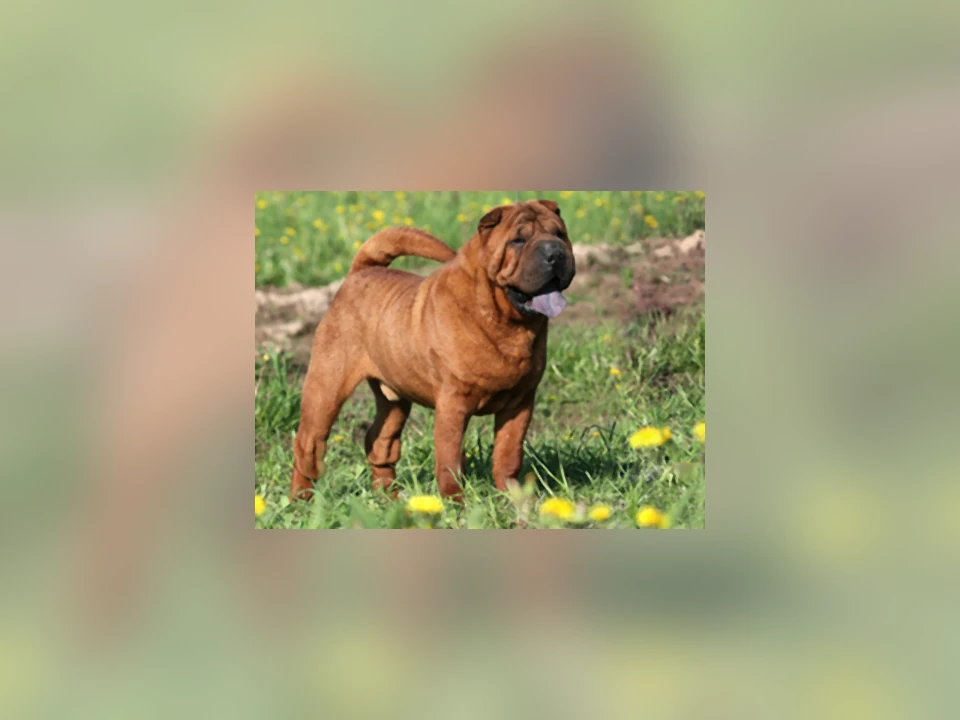
Meet the Chinese Shar-Pei (wrinkles, devotion, and real responsibility)
The Chinese Shar-Pei is an ancient breed from southern China, historically a versatile farm dog used for guarding, herding, and hunting. Its name refers to its sandpaper-like “horse coat,” and its most famous feature—the deep, loose wrinkles—was originally functional, helping it twist away from an opponent’s grip. Weighing 45 to 60 pounds, with a broad “hippopotamus” muzzle, small sunken eyes, and a blue-black tongue (a trait it shares with the Chow Chow), the Shar-Pei is instantly recognizable.
Behind the famously wrinkled face is a calm, dignified, and intensely loyal dog—and a breed that asks a lot of its owner in return.
Personality & temperament
Shar-Pei are devoted and affectionate with their families but independent and self-possessed by nature. They were bred to guard, so they tend to be territorial, watchful, and reserved or aloof with strangers. They are calm and quiet at home, often described as dignified and somewhat cat-like in their self-sufficiency.
That independence makes early, consistent socialization essential. A well-socialized Shar-Pei is a composed, discerning companion; without it, the breed’s natural wariness can tip into suspicion or reactivity. They generally suit experienced owners and homes with older children. Individual temperament varies with breeding and upbringing.
Exercise & daily life
This is a moderate-energy breed. A couple of daily walks and some play usually meet its needs—it is neither a couch potato nor a marathoner. The wrinkled, short-coated Shar-Pei can be sensitive to heat, so exercise in cooler parts of the day and provide shade and water. They are clean, quiet housemates that adapt reasonably well to home life as long as their social and health needs are met.
Grooming & care
The coat itself is short and low-maintenance—a weekly brush removes loose hair. The skin is the real work. Those signature folds trap moisture, dirt, and bacteria, so they must be cleaned and dried regularly to prevent skin fold infections. The breed’s small, tight ear canals make ear cleaning a routine necessity to head off chronic infections. Watch the eyes closely for any squinting or tearing, since entropion is common. Build skin, ear, and eye checks into a steady routine rather than waiting for problems.
Health
The Shar-Pei is one of the more health-intensive breeds, and prospective owners should understand the risks before committing. Entropion—eyelids rolling inward against the cornea—is very common, often appears in puppies, and needs surgical correction; left untreated it is painful and can damage vision. Familial Shar-Pei Fever (FSF) is an inherited inflammatory disorder unique to the breed, causing recurrent fevers and swollen hocks and carrying a risk of amyloidosis that can damage the kidneys or liver. The wrinkled skin predisposes the breed to skin fold pyoderma and, in some dogs, cutaneous mucinosis, while the narrow ear canals lead to chronic otitis.
None of this should scare off a committed owner, but it does mean choosing a breeder who health-tests carefully and partnering with a vet familiar with the breed. Pet insurance and a realistic care budget are wise.
Is a Chinese Shar-Pei right for you?
A Shar-Pei rewards the right owner with deep loyalty and a calm, dignified presence. That owner is experienced, attentive, and ready to commit to lifelong skin, eye, and ear care plus early socialization—and willing to work with a vet on the breed’s specific health risks. If you can meet those needs, few dogs are more devoted. If you are a first-time owner or hoping for a low-maintenance pet, the Shar-Pei’s care demands make it a poor fit, and honesty about that now protects you and the dog.