PetGrit
Cats breed Medium

Somali

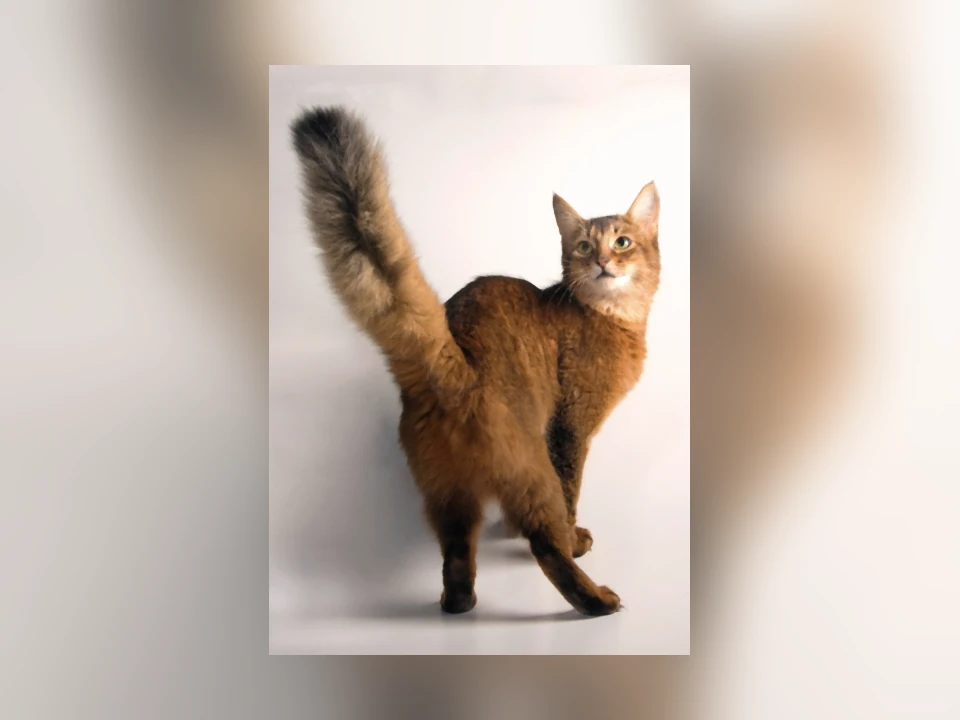
A bright, restless "fox cat" with a glowing ticked coat and a need to be in the middle of everything.

highly activeintelligentcuriousaffectionateplayfulpeople-oriented
Updated June 12, 2026 Reviewed against Cat Fanciers' Association (CFA) - Somali breed profile
Somali cat in a natural setting

Care OS lens

Create a Somali care file

Fold this breed context into a printable PetGrit handoff with health-watch notes, body-shape cues, and questions for your next visit.

Build care file

Watch first

People who are away long hours or want a calm, independent cat. Somalis dislike being left alone and can become bored, frustrated, and destructive without stimulation and company.

Personalized next step

Create a Somali care brief

Carry this breed profile into a printable PetGrit report with health-watch notes, trait context, body-shape cues, and vet-visit questions.

Build care brief

Origins

The Somali is, in plain terms, a long-haired Abyssinian. The breed emerged from longhaired kittens that appeared occasionally in Abyssinian litters; rather than discard them, breeders in North America and the UK developed them into their own breed from the 1960s onward. The name nods to Somalia, neighbor to Abyssinia (Ethiopia), honoring the cat’s kinship with its short-haired cousin. The defining feature is the agouti or “ticked” coat, where each hair carries several bands of color, giving the cat a warm, glowing, fox-like shimmer.

Personality and daily life

If you’ve met an Abyssinian, you know the Somali’s mind: bright, busy, and endlessly curious. These cats investigate everything, open drawers, follow you room to room, and perch wherever the action is. They’re affectionate and people-oriented, but the affection comes wrapped in motion; a Somali would rather supervise your work than nap on your lap all afternoon. They’re not loud, but they’re expressive and very engaged.

The flip side of all that brightness is a low tolerance for boredom and loneliness. Somalis genuinely dislike being left alone for long stretches and can become frustrated or destructive without enough stimulation or company.

Exercise and training

Plan for daily interactive play and plenty of climbing options, tall trees, shelves, and puzzle feeders. Their intelligence makes them quick to learn fetch, tricks, and leash work. Many do best with a second active cat or a cat-friendly dog as a playmate, especially in working households.

Grooming

Despite the semi-long coat, grooming is refreshingly manageable. The fur is fine and silky and resists matting, so a comb once or twice a week keeps it healthy, with extra during seasonal coat changes. Add routine nail trims, dental care, and ear checks.

Health

The Somali shares the Abyssinian’s inherited-disease profile, and two items stand out because they’re DNA-testable. Pyruvate kinase (PK) deficiency causes intermittent hemolytic anemia and is well documented in the Aby/Somali line; a simple DNA test identifies clear, carrier, and affected cats. Progressive retinal atrophy (rdAc-PRA) is a late-onset retinal degeneration that can lead to blindness, again with an available test. Renal amyloidosis, abnormal protein deposits that can cause progressive kidney failure, is also recognized in this lineage; watch for increased thirst, weight loss, and reduced appetite. Patellar luxation is reported as well. A responsible breeder screens for the testable conditions and can show you results, which is the single best thing you can do to stack the odds in your kitten’s favor.

Who they’re best for

The Somali suits an engaged household that wants an interactive, intelligent companion and can provide company, climbing space, and daily play, ideally with another active pet. It’s a poor fit for anyone away long hours or hoping for a serene, independent lap cat. Give a Somali stimulation and companionship, and you get a luminous, devoted cat that’s never far from the center of things.

Best for

Households that want a busy, engaged, interactive cat and can offer companionship, climbing space, and daily play; people who enjoy a cat that participates in everything.

Maybe not for

People who are away long hours or want a calm, independent cat. Somalis dislike being left alone and can become bored, frustrated, and destructive without stimulation and company.

Health to watch

Common in the breed — not a diagnosis. A good breeder screens for these, and your vet can guide prevention and early care.

  • Pyruvate kinase deficiency (PK deficiency) — An inherited enzyme defect causing intermittent hemolytic anemia, well documented in Abyssinians and Somalis. A DNA test identifies clear/carrier/affected cats; ask breeders for results.
  • Progressive retinal atrophy (rdAc-PRA) — An inherited late-onset retinal degeneration that can lead to blindness, with a known mutation in the Abyssinian/Somali line and an available DNA test.
  • Renal amyloidosis — Abnormal amyloid protein deposits in the kidneys that can cause progressive kidney failure; recognized in Abyssinian/Somali lineage. Watch for increased thirst, weight loss, and poor appetite.
  • Patellar luxation — Kneecap instability reported in the breed; mild cases may be incidental, more severe ones can affect mobility and may need surgery.

Sources

  • Cat Fanciers' Association (CFA) - Somali breed profile — Origin, coat, and standard
  • EveryCat Health Foundation - Pyruvate kinase deficiency in Abyssinian & Somali cats — PK deficiency and DNA testing
  • UC Davis Veterinary Genetics Laboratory - PK deficiency and rdAc-PRA tests — Genetic testing availability
  • Cornell University College of Veterinary Medicine - feline inherited disease overviews — Renal and retinal disease background

Frequently asked questions

Is the Somali just a fluffy Abyssinian?

Essentially, yes. The Somali arose from longhaired kittens in Abyssinian litters and shares the Aby's ticked agouti coat and active, inquisitive temperament, with a semi-long coat, ruff, and plumed tail.

Are Somalis high-maintenance to groom?

Less than most semi-longhairs. The fine, silky coat resists matting, so a comb once or twice a week usually suffices, with a bit more during seasonal shedding.

Do Somalis get along with other pets?

Usually very well. They're social and energetic, and often do best with another active cat or a cat-friendly dog for company, especially in homes where people are out during the day.

Why does health screening matter so much for this breed?

Because two of its notable conditions, PK deficiency and rdAc-PRA, have reliable DNA tests. A reputable breeder can show clear results, which meaningfully lowers the odds of inherited disease.

Similar breeds