Origin
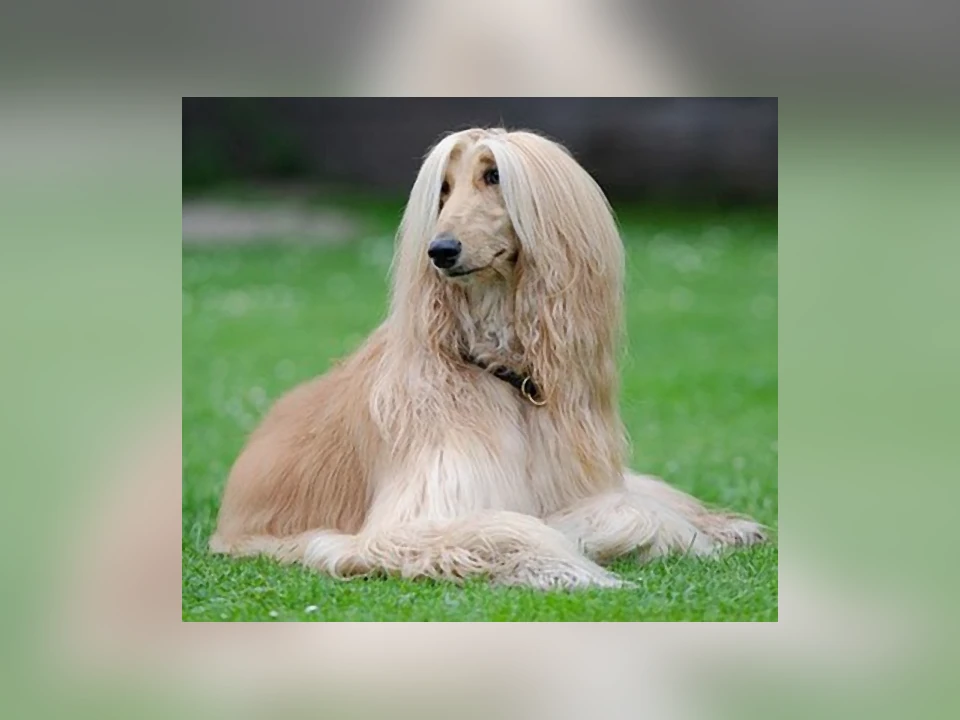
The Afghan Hound is one of the oldest sighthound types, developed in the mountains and deserts of Afghanistan to course game over rough, unforgiving terrain. That history shaped everything about the breed: the long legs and deep chest built for speed, the heavy coat that once protected against cold mountain nights, and the independent mind of a dog bred to make split-second decisions far from its handler. The flowing show coat you see today is a relatively modern refinement of a fundamentally functional hunting dog.
Personality and daily life
Afghans are often described as cat-like, and it fits. They are affectionate on their own terms, dignified, and frequently aloof with strangers. Expect a dog that bonds closely with its family but won’t follow you room to room or live for your approval. They have a sensitive, sometimes dramatic streak and do not cope well with harsh handling. Many owners are charmed by sudden bursts of clownish, zooming play that punctuate an otherwise serene demeanor.
Exercise and training
Day to day their energy is moderate, but the breed needs regular opportunities to gallop at full speed in a securely fenced area. Prey drive is strong, so reliable off-leash recall is genuinely difficult, treat fences and leashes as part of responsible ownership rather than a failure of training. On obedience, set realistic expectations: Afghans are smart but independent and bore quickly with drilling. Short, upbeat, reward-based sessions work; repetition and pressure do not.
Grooming
This is the breed’s biggest ongoing demand. The fine, silky coat tangles and mats easily, and mats are uncomfortable and can hide skin problems. Most owners brush several times a week and bathe frequently, because clean hair mats far less than dirty hair. A practical pet trim can cut the workload considerably without spoiling the dog’s character. If you can’t commit to this, choose a different breed.
Health
For a large dog the Afghan is relatively sound, but there are real predispositions to watch. Hip dysplasia and hereditary eye conditions (juvenile cataracts and PRA) are the screenings the breed club emphasizes, alongside thyroid testing for hypothyroidism. As a deep-chested breed they carry some risk of bloat (GDV), a true emergency. Chylothorax, a buildup of lymphatic fluid in the chest, is uncommon but documented in the breed and warrants a vet visit if you notice persistent coughing or breathing trouble. The single best protection is buying from a breeder who completes recommended health screening.
Who they suit
The Afghan Hound rewards owners who appreciate an elegant, independent companion and who genuinely enjoy (or will outsource) demanding coat care. They suit calm homes with secure outdoor space and people who don’t measure a dog’s worth by its obedience. They are a poor fit for first-time owners hoping for an easy, biddable family dog, or for anyone counting on dependable off-leash freedom.