PetGrit
Dogs breed Large

Greyhound

A 40-mph couch potato — the fastest dog on earth who mostly wants to nap on your sofa.

gentlecalmaffectionatequietsensitiveindependent but people-oriented
Updated June 12, 2026 Reviewed against American Kennel Club
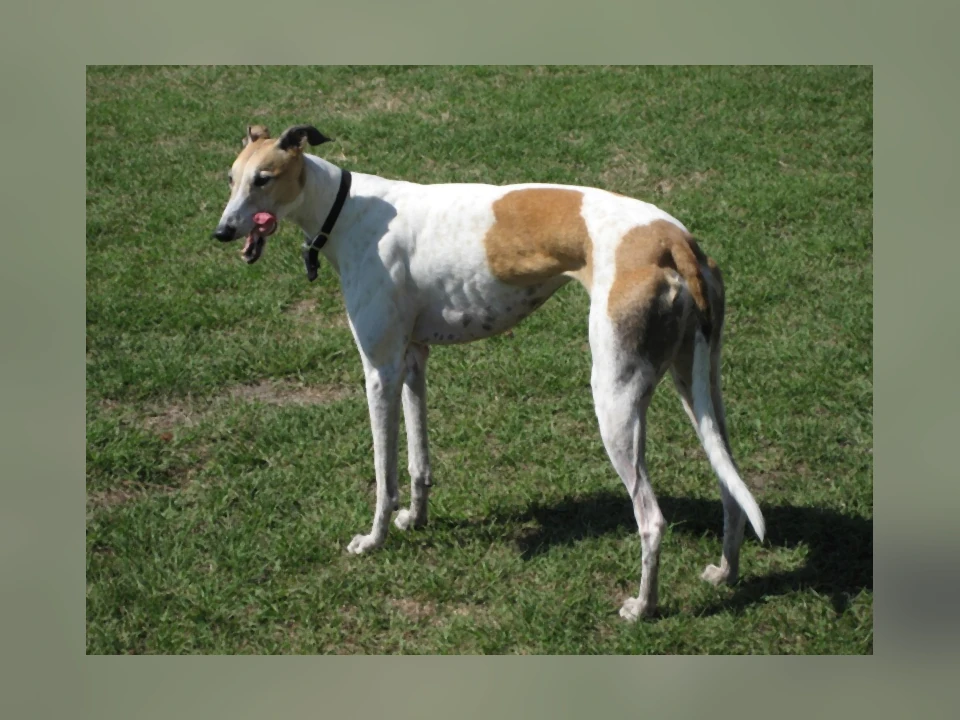
Greyhound dog in a natural setting

Care OS lens

Create a Greyhound care file

Fold this breed context into a printable PetGrit handoff with health-watch notes, body-shape cues, and questions for your next visit.

Build care file

Watch first

Homes with small pets where a strong prey drive can't be managed, owners who want a reliable off-leash dog, people who can't provide a fenced sprint area, or anyone expecting a guard dog.

Personalized next step

Create a Greyhound care brief

Carry this breed profile into a printable PetGrit report with health-watch notes, trait context, body-shape cues, and vet-visit questions.

Build care brief

Origin

The Greyhound is an ancient sighthound type, depicted in art for thousands of years and later refined in England for coursing and racing. Everything about the dog is built for speed: a deep chest, long legs, a flexible spine, and remarkable lean musculature that lets it reach roughly 40-45 mph. Today many pet Greyhounds are retired racers, rehomed through dedicated adoption groups.

Temperament & Daily Life

The great surprise of the breed is how mellow it is. Greyhounds are gentle, quiet, and affectionate, and they earn their nickname as ‘40-mph couch potatoes’ by sleeping a remarkable share of the day. They rarely bark, tend to be sensitive souls who dislike harsh handling, and generally get along well with people and calm dogs. They make poor guard dogs — most would rather greet a stranger than challenge one.

Exercise & Training

Contrary to expectation, Greyhounds don’t need endless exercise. They are sprinters, not endurance dogs: a couple of daily walks plus regular chances to run hard in a securely fenced space keep them happy. That fence matters — their prey drive and breakaway speed make off-leash recall unreliable, and a squirrel can be gone before you finish saying ‘no.’ Training works best with gentle, reward-based methods; they are smart but soft-natured and shut down under pressure. Introductions to cats and small pets should be slow and supervised, since prey drive varies widely between individuals.

Grooming

Grooming is minimal — the short single coat needs only occasional brushing and the rare bath. The bigger care points are protective: a warm coat for cold weather (they have almost no insulating fat), padded bedding for their bony frames, and regular tooth brushing, as the breed is prone to dental disease.

Health

Greyhounds have several breed-specific medical considerations every owner should know. Most important is anesthesia sensitivity: their low body fat and unusual drug metabolism mean standard doses can be dangerous and barbiturate anesthetics are unsafe, so any surgery should be done by a vet familiar with sighthound protocols. The breed also has elevated rates of osteosarcoma (bone cancer), so persistent limping warrants a prompt exam, and like other deep-chested dogs they can suffer bloat (GDV). Their thin skin and lean build also make them sensitive to both heat and cold.

Who This Breed Suits

Greyhounds suit a wide range of homes — including apartments — thanks to their quiet, calm nature, provided owners can offer safe sprinting space and manage prey drive. They are a gentle, rewarding choice, and adopting a retired racer is one of the most accessible ways to bring this elegant, easygoing breed into your life.

Best for

People who want a quiet, affectionate, low-maintenance companion who is happy to nap most of the day but still loves a daily sprint — including apartment dwellers and adopters of retired racers.

Maybe not for

Homes with small pets where a strong prey drive can't be managed, owners who want a reliable off-leash dog, people who can't provide a fenced sprint area, or anyone expecting a guard dog.

Health to watch

Common in the breed — not a diagnosis. A good breeder screens for these, and your vet can guide prevention and early care.

  • Anesthesia sensitivity — Greyhounds metabolize certain anesthetics differently and have very low body fat; barbiturate anesthetics in particular are unsafe. Always use a vet familiar with sighthound protocols before any surgery.
  • Osteosarcoma (bone cancer) — One of the most common cancers in the breed, usually in the leg bones. Persistent limping or lameness should be checked promptly.
  • Bloat / gastric dilatation-volvulus (GDV) — Deep-chested dogs are at higher risk for this stomach-twisting emergency. Learn the signs and know your nearest emergency vet.
  • Heat and cold sensitivity — With a thin coat and almost no body fat, Greyhounds chill easily and overheat easily — they need a coat in cold weather and shade and water in heat.
  • Dental disease — The breed is prone to periodontal disease; routine brushing and veterinary dental care are important.

Sources

  • American Kennel Club — Greyhound Breed Standard & Information — Size, coat, and temperament standard
  • Greyhound Club of America — Breed-club health and care guidance
  • Merck Veterinary Manual — Sighthound anesthesia, osteosarcoma, and GDV references

Frequently asked questions

Do Greyhounds need a lot of exercise?

Less than people assume. They are sprinters, not marathoners — a couple of short daily walks plus the chance to run flat-out in a securely fenced area satisfies them. Indoors, most are content to sleep much of the day.

Can Greyhounds live with cats and small dogs?

Some can, but their sighthound prey drive varies a lot by individual. Many adoption groups 'cat-test' their dogs. Careful, supervised introductions and never trusting a strong-prey-drive dog off-leash around small animals are essential.

Why are Greyhounds sensitive to anesthesia?

Their very low body fat and breed-specific drug metabolism mean standard anesthetic doses can be dangerous, and barbiturate anesthetics are unsafe for sighthounds. Always use a vet experienced with Greyhound or sighthound anesthesia protocols.

Are retired racing Greyhounds good pets?

Often, yes. Many retired racers are gentle, even-tempered, and adapt well to home life. They may need to learn household basics like stairs and glass doors, but adoption groups typically help match dogs to suitable homes.

Similar breeds