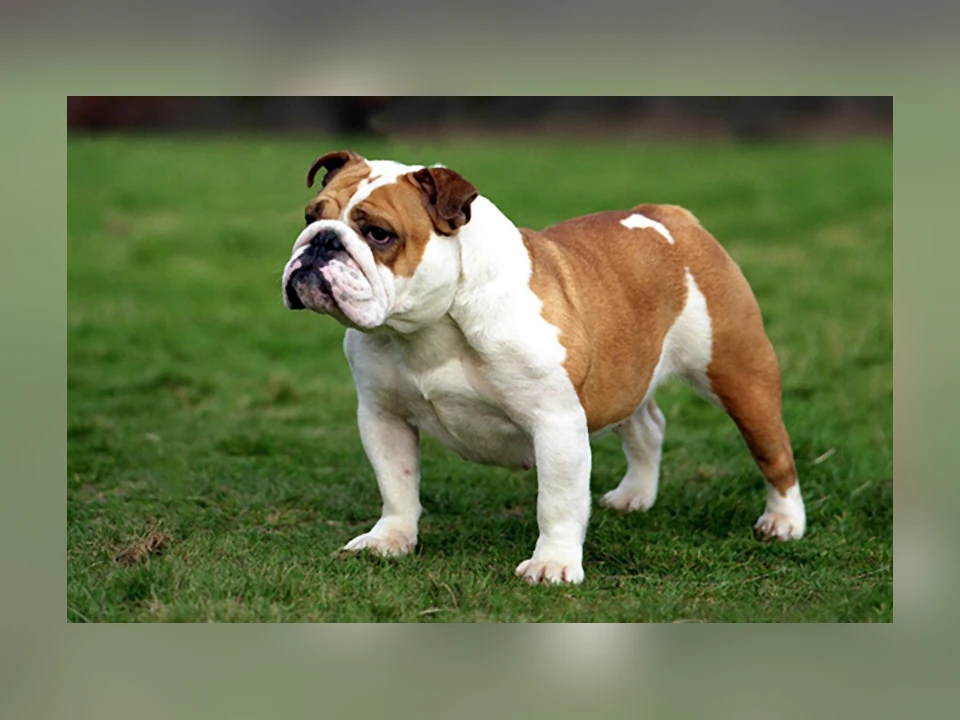
Meet the Bulldog
The Bulldog — often called the English Bulldog — is one of the most recognizable dogs in the world: a low-slung, broad-chested companion with a wrinkled brow, an undershot jaw, and an unmistakable rolling walk. Despite a history rooted in the brutal sport of bull-baiting, today’s Bulldog has been bred for generations to be a gentle, dependable family dog. Most owners describe them as sweet, stubborn couch companions who would rather lean against your leg than chase a ball across the yard.
It’s worth being honest from the start: the same features that make the Bulldog iconic — the flat face, stocky frame, and heavy build — also create genuine health challenges. A great Bulldog life is absolutely possible, but it depends on understanding those realities and choosing your dog thoughtfully.
Personality & temperament
Bulldogs are calm, friendly, and deeply people-oriented. They form strong bonds with their families and are typically excellent with children, tolerating noise and commotion with remarkable patience. Their low energy makes them well suited to apartments and quieter homes, and they generally get along with other pets when socialized early.
The flip side of that easygoing nature is a famous streak of stubbornness. Bulldogs are intelligent but not eager to please in the way a Border Collie is — they decide on their own schedule whether your request is worth honoring. Training works best with short, positive, reward-based sessions and a good sense of humor. Harsh corrections backfire; patience and consistency win.
Living with a Bulldog
Bulldogs need surprisingly little exercise — a couple of short, gentle walks a day is plenty for most. But low exercise needs come with hard limits you must respect:
- They cannot handle heat. This is the single most important thing to understand. A Bulldog’s shortened airway makes panting an inefficient way to cool down, so they overheat dangerously fast in warm weather, humidity, or even a stuffy car. Walk only during cool mornings and evenings, never leave them in a warm space, and learn the warning signs of heatstroke — for this breed, it can become an emergency in minutes.
- They can’t swim. Their dense, top-heavy build and short legs mean most Bulldogs sink rather than float. Pools, lakes, and even deep bathtubs require constant supervision and a canine life vest.
- Weight gain is easy and dangerous. Their love of food plus low activity makes obesity common, and extra pounds worsen breathing, joints, and heart strain. Measured meals and lean body condition are essential — our guide on helping a dog lose weight is a useful starting point.
Daily life with a Bulldog also means routine skin-fold care. The deep wrinkles on the face — and the often-overlooked fold under the screw tail — trap moisture and debris that lead to infection if neglected.
Grooming & care
In some ways Bulldogs are low-maintenance: the short, smooth coat needs only weekly brushing and sheds moderately. The real grooming work is in the folds. Wipe facial wrinkles and the tail pocket regularly with a vet-approved cleanser and dry them thoroughly, because trapped moisture breeds yeast and bacteria.
Bulldogs are also prone to allergies, which often show up as itchy, inflamed skin and recurring fold infections. If your dog is constantly scratching, licking paws, or developing hot spots, an allergy may be the underlying driver — our overview of dog allergies explains what to watch for and when to involve your veterinarian. Round out care with regular nail trims, ear checks, and consistent dental hygiene, since crowded teeth make this breed prone to dental disease.
Health
This is the section that matters most, and we won’t sugarcoat it. The Bulldog is a brachycephalic (flat-faced) breed, and that anatomy drives much of its health profile:
- Brachycephalic Obstructive Airway Syndrome (BOAS): Narrowed nostrils, an elongated soft palate, and a crowded airway cause the snorting and labored breathing many people think is “normal” for the breed. It isn’t — it’s a welfare concern, and corrective surgery genuinely improves quality of life for many dogs. Research from the Royal Veterinary College has documented how common and serious these airway problems are.
- Heat intolerance: A direct consequence of that airway, and potentially life-threatening.
- Skin-fold dermatitis: Infection in the facial and tail folds, well described in the Merck Veterinary Manual.
- Hip and elbow dysplasia: Common in this heavy, stocky breed; responsible breeders screen with OFA evaluations.
- Eye conditions: Cherry eye (prolapsed tear gland) and entropion frequently require surgery.
- Dental crowding and a high rate of cesarean births, since puppies’ large heads often can’t pass naturally.
None of this means a Bulldog can’t live a happy life — many do. But it means vet costs are predictably higher than average, and your choice of source matters enormously. Favor breeders who health-test (OFA hips, cardiac, and patella screening), who breed for moderate features — more open nostrils, a slightly longer muzzle, less extreme wrinkling — and who can show you health records. Rescue and adoption are wonderful options too. Pet insurance obtained early is worth serious consideration. As always, individual dogs vary, and a well-bred, well-managed Bulldog can defy the averages.
Is a Bulldog right for you?
If you want a devoted, mellow companion who’s content to share the couch, dotes on your family, and asks for little more than your company, the Bulldog is hard to beat. But go in clear-eyed: this is a breed with real, predictable health limits and costs. You’ll need a cool, climate-controlled home, the discipline to keep weight off and folds clean, a trusted veterinarian, and a budget that can absorb the airway, joint, and eye issues that come with the territory. Choose a health-screening, moderation-minded breeder or adopt from a rescue — and you’ll have given this gentle, iconic dog the best possible shot at a long, comfortable life.