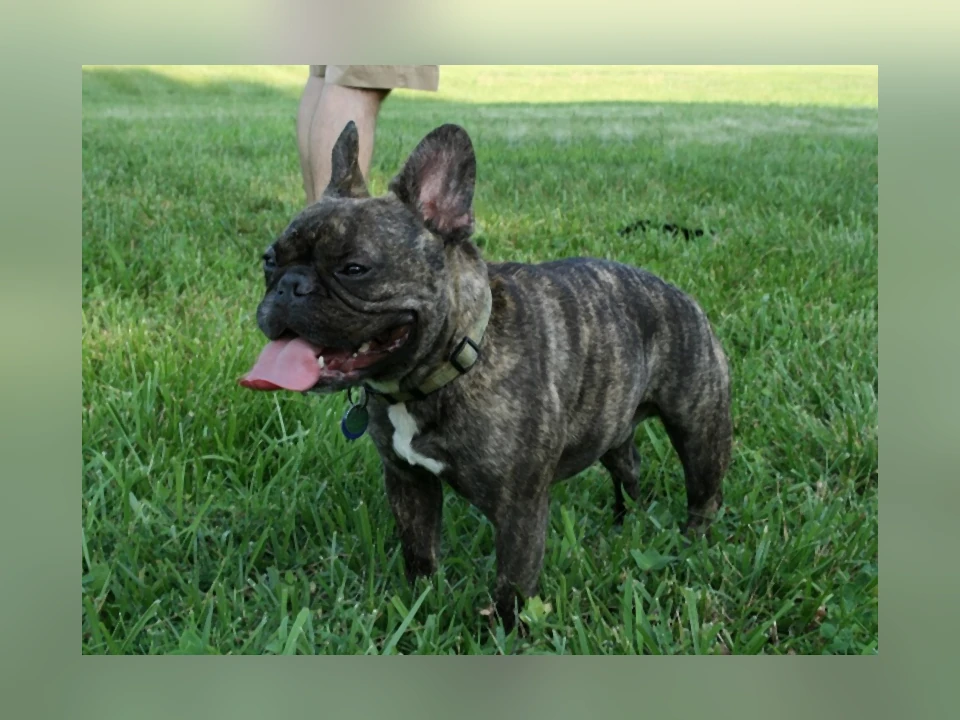
Meet the French Bulldog (hugely popular, charming companion — but buy with eyes open)
Few breeds have soared in popularity like the French Bulldog. With their bat ears, squashed faces, and unmistakably human expressions, “Frenchies” have become one of the most recognizable companion dogs in the world—and, according to the American Kennel Club (AKC), one of the most registered breeds in the United States. They are small, sturdy, affectionate, and built for apartment life.
But this is a breed where love and honesty have to travel together. The same flat face that makes a Frenchie so endearing is also the source of well-documented health problems. Research from the Royal Veterinary College (RVC) and concerns voiced by the British Veterinary Association (BVA) have made clear that brachycephalic (flat-faced) breeds carry meaningfully higher risks of breathing difficulty, heat intolerance, and other conformation-linked disease. None of this means you shouldn’t fall for a Frenchie—millions of people do, happily. It means you should choose carefully, plan financially, and adjust your expectations. Individuals vary widely, and responsible breeding and thoughtful adoption genuinely change outcomes.
Personality and temperament (affectionate, comedic, low exercise needs, velcro companion)
If temperament alone decided things, the French Bulldog would win in a landslide. They are deeply affectionate, playful, and famously easygoing—often described as clowns who happen to live in a dog suit. They bond hard with their people and tend to be “velcro” companions who want to be on the couch, on your lap, or underfoot at all times.
That attachment is part of their charm and part of their care plan: Frenchies can be prone to separation distress and don’t do well left alone for long stretches. They are generally friendly with children, seniors, and other pets, and their low exercise needs make them forgiving for first-time owners. Training-wise, they’re smart but can be stubborn; short, reward-based sessions work far better than repetition. They rarely need miles of walking—a happy Frenchie is more interested in snuggling than sprinting.
Living with a Frenchie
For the right home, a French Bulldog fits beautifully. They thrive in apartments, suit low-exercise lifestyles, and don’t demand a yard. But day-to-day life with this breed comes with non-negotiable safety rules.
Heat is the big one. Frenchies overheat dangerously fast and cool themselves poorly because of their compromised airways—heatstroke is a leading, preventable killer in the breed. Walk them in the cool morning or evening, never leave them in a warm car even briefly, and learn the warning signs in our guide to dog heatstroke signs and what to do. Water is another hazard: most Frenchies simply can’t swim and can drown in seconds, so a life vest and constant supervision near pools are essential.
Weight management matters more than it does for many breeds, because extra pounds worsen breathing and add strain to a vulnerable spine. Keeping your Frenchie lean is one of the kindest, most protective things you can do—our advice on helping a dog lose weight is a good starting point. Finally, those signature facial folds need routine cleaning to stay dry and infection-free.
Grooming and care (short coat easy, BUT skin folds need cleaning, ears, skin allergies)
The good news: the short, smooth single coat is genuinely low-maintenance. A weekly brush keeps shedding modest, and Frenchies don’t need elaborate grooming. The catch is everything around the coat.
Those deep facial folds—and the fold near the tightly curled tail—trap moisture, debris, bacteria, and yeast. Left alone, they develop skin-fold dermatitis, which the Merck Veterinary Manual describes as inflammation in skin folds where air can’t circulate. Wipe and dry the folds regularly, and watch for redness, odor, or your dog rubbing its face. Ears deserve the same attention: narrow canals and allergic skin make recurring ear infections common, so check them often and learn to spot trouble early with our guide to dog ear infections. Many Frenchies also live with environmental and food allergies that drive itching, paw-licking, and repeat skin flare-ups; if that sounds familiar, our overview of dog allergies explains how to work with your vet on a plan.
Health (the honest center of this breed)
There’s no responsible way to discuss French Bulldogs without putting health front and center. This is a breed shaped by extreme conformation, and that shape has consequences.
Breathing (BOAS). Many Frenchies have Brachycephalic Obstructive Airway Syndrome—a combination of pinched nostrils, an overlong soft palate, and a narrow windpipe that makes breathing genuinely hard. Snorting and snoring may sound cute, but loud, labored, or noisy breathing is a sign of struggle, not character. Severe cases benefit from corrective airway surgery, and the Merck Veterinary Manual treats BOAS as a recognized, sometimes life-limiting condition.
Heat intolerance. Because they can’t move air efficiently, Frenchies overheat with frightening speed. RVC research consistently flags brachycephalic breeds as at elevated risk of heat-related illness.
Spine and IVDD. Their compact bodies and “screw” tails are associated with malformed vertebrae and a high rate of intervertebral disc disease, which can cause severe pain or even paralysis. Keeping them lean and discouraging big jumps helps.
Skin and allergies. Fold dermatitis, allergies, and recurrent ear and skin infections are common lifelong management issues.
Eyes. Prominent, shallow-set eyes are prone to cherry eye, corneal ulcers, and dry eye.
Reproduction. Many females cannot give birth naturally and require cesarean delivery—one reason ethical breeding is so demanding and why some welfare bodies have urged reform of the breed’s extremes.
The single most important thing a buyer can do is choose a breeder who breathe-tests (BOAS-screens) their dogs, health-tests for spinal and eye issues, and deliberately breeds toward more open nostrils and a slightly longer muzzle. Avoid the most extreme, ultra-flat “exotic” faces no matter how trendy they are. Adoption from breed-specific rescue is another wonderful route. Pet insurance is worth pricing out before you commit.
Is a French Bulldog right for you?
A French Bulldog can be one of the most loving, comedic, low-fuss companions you’ll ever share a couch with—ideal for apartments, gentle homes, and people who want a dog that mostly wants them. That’s the real, warm truth.
The equally real truth is this: you should expect potential vet bills and accept hard limits around heat, exercise, and water. If you live somewhere hot, dream of a running or swimming partner, or can’t absorb the financial risk of airway, spine, or skin care, another breed will serve you better. But if you can offer a cool, calm, attentive home—and you do your homework on the breeder—a Frenchie will repay it with a devotion that’s tough to match.