PetGrit
Dogs breed Small

Pekingese

A lion in a lapdog's body—regal, opinionated, and deeply devoted, with very real flat-faced health needs you must plan for.

regalconfidentstubborndevotedopinionatedcourageous
Updated June 12, 2026 Reviewed against American Kennel Club – Pekingese Breed Standard & Profile
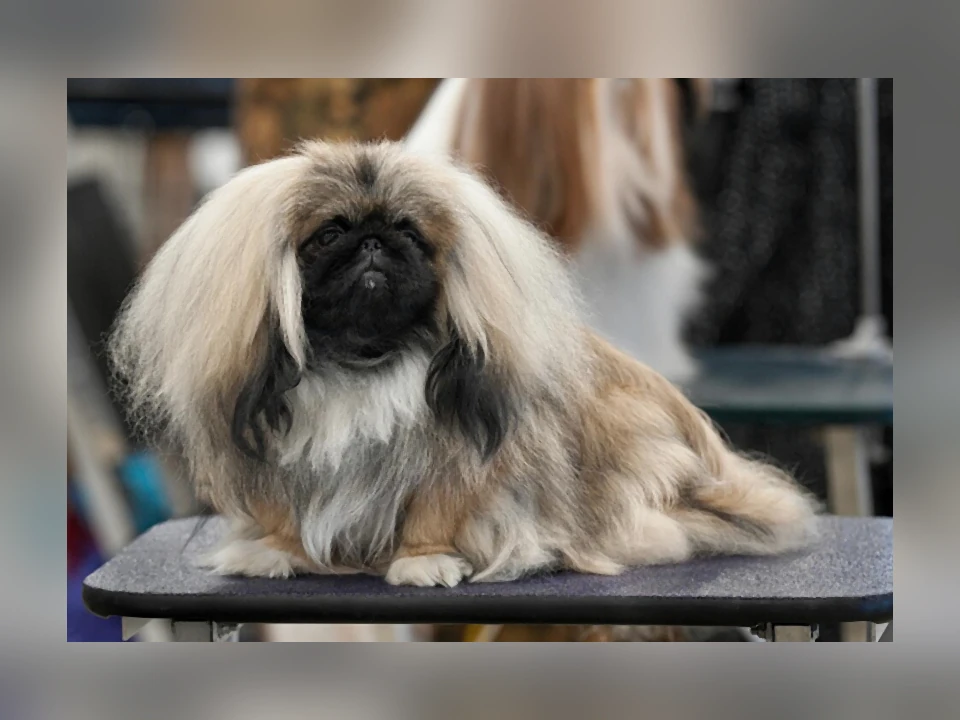
Pekingese dog in a natural setting

Care OS lens

Create a Pekingese care file

Fold this breed context into a printable PetGrit handoff with health-watch notes, body-shape cues, and questions for your next visit.

Build care file

Watch first

Active owners wanting a jogging partner, hot climates without air conditioning, homes with rough toddlers, or anyone unprepared for potential brachycephalic veterinary costs.

Personalized next step

Create a Pekingese care brief

Carry this breed profile into a printable PetGrit report with health-watch notes, trait context, body-shape cues, and vet-visit questions.

Build care brief

The little lion of the imperial palace

The Pekingese was bred for centuries as a companion to Chinese royalty, prized inside the Forbidden City and so revered that commoners were once required to bow to them. The breed was deliberately shaped to resemble the Buddhist guardian lion, complete with a flowing mane and a bold, self-important bearing. That heritage produced a dog that is convinced of its own importance—and means it.

Personality: dignified and devoted

Pekingese are affectionate and intensely loyal to their chosen people, often bonding hardest with one person. They are courageous to the point of fearlessness, calm and dignified rather than bouncy, and famously stubborn. They make excellent quiet companions and alert little watchdogs, but they expect to be treated as equals, not props. With strangers they tend to be reserved, and they don’t suffer rough handling, which is why they pair best with calm adults and considerate older children.

Daily life and training

This is a low-energy breed. Short walks and indoor play meet its needs, and because of its airway you should never push it physically, especially in heat. Always walk on a harness to keep pressure off the throat. Training takes patience: Pekingese are smart but independent and respond to gentle, consistent, reward-based work far better than to correction. Housetraining can be slow. Early socialization helps temper the natural aloofness into good manners.

Grooming

The long double coat and lavish mane shed and mat, so plan on brushing several times a week, more during seasonal coat blows, plus regular baths. Two grooming tasks are about health, not looks: clean and dry the deep facial folds and nose-roll to prevent skin infection, and keep the hair around the eyes trimmed and the eyes themselves monitored.

Health: respect the flat face

The Pekingese is a brachycephalic breed, and honesty here matters. Their flat faces commonly cause brachycephalic obstructive airway syndrome—narrowed nostrils, an overlong soft palate, a narrow windpipe—leading to noisy breathing, exercise and heat intolerance, and a genuine risk of heat stroke. Keeping the dog cool, lean, and calmly exercised is essential, and corrective surgery helps severe cases. Their prominent, shallow-set eyes are easily injured and prone to corneal ulcers, which can be emergencies. The long-backed body predisposes them to intervertebral disc disease, so discourage jumping and use ramps. Skin-fold dermatitis and patellar luxation round out the list. None of this means you shouldn’t own one—it means you should buy from a breeder selecting for healthier airways and budget for attentive, sometimes specialist, veterinary care.

Who this breed is for

The Pekingese suits a calm, indoor-oriented owner—including apartment dwellers and seniors—who wants a devoted, dignified companion and is clear-eyed about flat-faced care: cooling, weight control, eye protection, and grooming. It is a poor fit for hot climates without air conditioning, for active owners wanting a hiking or running partner, and for chaotic homes with small children. Meet those needs and you get a loyal, charming, surprisingly bold little dog that has been winning over royalty for a thousand years.

Best for

Calm homes that want a dignified, affectionate companion, can keep the dog cool and weight-controlled, and accept the breathing and grooming care a flat-faced breed requires.

Maybe not for

Active owners wanting a jogging partner, hot climates without air conditioning, homes with rough toddlers, or anyone unprepared for potential brachycephalic veterinary costs.

Health to watch

Common in the breed — not a diagnosis. A good breeder screens for these, and your vet can guide prevention and early care.

  • Brachycephalic obstructive airway syndrome (BOAS) — The flat face commonly pairs narrowed nostrils (stenotic nares), an overlong soft palate, and a narrow windpipe, causing noisy labored breathing, exercise intolerance, and heat-stroke risk. Severe cases benefit from corrective surgery; keep the dog cool, lean, and harness-walked.
  • Heat stroke — Because they cannot cool efficiently through panting, Pekingese overheat dangerously fast. Avoid heat and humidity, never leave them in cars, and limit exertion on warm days—this is a life-threatening, very preventable risk.
  • Intervertebral disc disease (IVDD) — The long back and short legs predispose them to disc herniation that can cause pain, weakness, or paralysis. Discourage jumping from furniture, use ramps, and keep weight down.
  • Corneal ulcers & eye injuries — Large, prominent eyes set in a shallow socket are easily scratched, dried out, or injured; corneal ulcers are common and can become emergencies. Keep face hair clean and trimmed and watch for squinting or pawing.
  • Skin fold dermatitis — The deep nose-roll and facial folds trap moisture and debris, causing infection if not cleaned and dried regularly.
  • Patellar luxation — Slipping kneecaps occur in the breed and may range from mild to surgically significant.

Sources

  • American Kennel Club – Pekingese Breed Standard & Profile — Origin, size, coat, and temperament
  • Pekingese Club of America – Health Information — Breed-club health guidance
  • VCA Animal Hospitals – Brachycephalic Airway Syndrome in Dogs — BOAS components and management
  • Merck Veterinary Manual — IVDD, corneal ulcers, and heat-stroke background

Frequently asked questions

Do Pekingese have serious breathing problems?

Many do to some degree, because their flat faces compress the airway. Signs range from snoring and snorting to genuine exercise intolerance and overheating. Choose a breeder who selects for more open nostrils and a longer muzzle, keep your dog lean, and ask your vet to assess for BOAS—surgery can dramatically help severe cases.

Can Pekingese handle hot weather?

Poorly. They cannot cool themselves efficiently and are prone to fast, dangerous heat stroke. In warm climates keep them in air conditioning, walk in the cool of the day, always provide shade and water, and never leave them in a parked car—even briefly.

How much exercise does a Pekingese need?

Modest amounts. A couple of short, gentle walks plus indoor play are plenty, and overdoing it strains their breathing. Use a harness rather than a neck collar to avoid pressure on the airway.

Are Pekingese easy to train?

Not especially. They're intelligent but independent and stubborn, with a regal streak that means they cooperate when it suits them. Short, positive, reward-based sessions and patience work best; harsh methods just make them dig in. Housetraining in particular takes consistency.

Similar breeds