PetGrit
Dogs breed Small

Italian Greyhound

A miniature sighthound in a fawn coat — graceful, glued to your side, and far more delicate than he looks.

affectionatesensitiveplayfulvelcro-companionalertoccasionally timid
Updated June 12, 2026 Reviewed against American Kennel Club
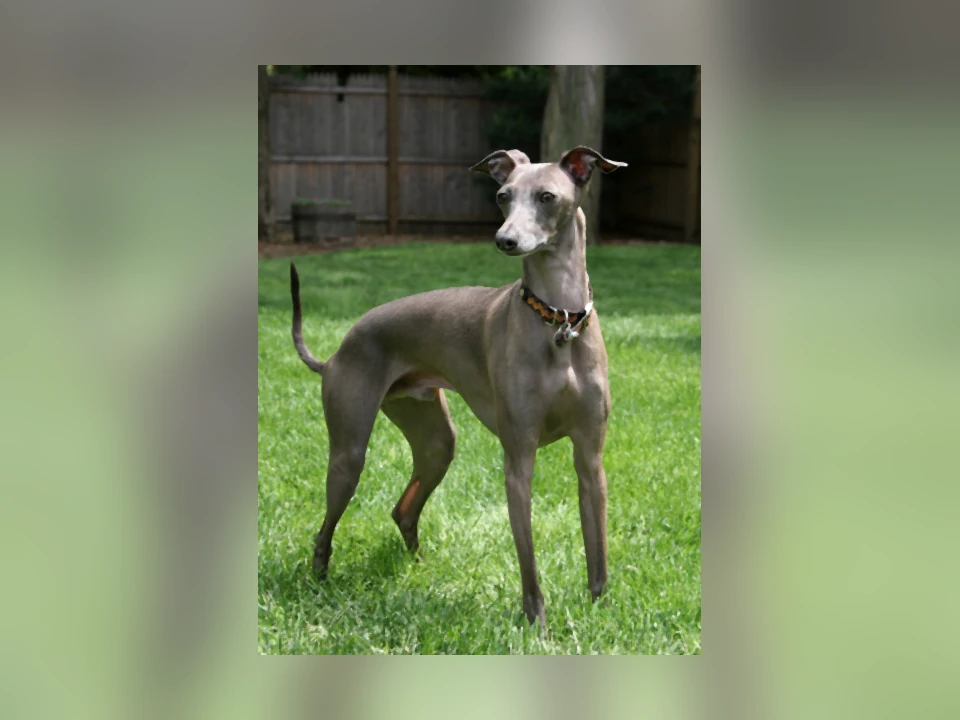
Italian Greyhound dog in a natural setting

Care OS lens

Create a Italian Greyhound care file

Fold this breed context into a printable PetGrit handoff with health-watch notes, body-shape cues, and questions for your next visit.

Build care file

Watch first

Homes with rambunctious young children or large boisterous dogs (fracture risk), people who can't manage the breed's notorious housetraining and cold sensitivity, or owners who want a sturdy, independent dog.

Personalized next step

Create a Italian Greyhound care brief

Carry this breed profile into a printable PetGrit report with health-watch notes, trait context, body-shape cues, and vet-visit questions.

Build care brief

Origin

The Italian Greyhound is an ancient sighthound bred down to companion size, prized for centuries around the Mediterranean and beloved by Renaissance nobility — you can spot them in old European portraits curled at their owners’ feet. Despite the toy size, this is a genuine sighthound: lean, fine-boned, and capable of surprising bursts of speed and grace.

Temperament & Daily Life

‘IGs’ are devoted, sensitive companions who bond intensely with their people — true velcro dogs that want to be near you, often under a blanket on your lap. They are playful and athletic in short bursts, then happy to nap. They can be timid with strangers or sudden noise, so gentle socialization helps build confidence. Many are alert and will sound off at the doorbell, though they are not yappy by nature. They don’t love being left alone for long stretches.

Exercise & Training

For their size they have real athleticism: they love to zoom and need daily play plus walks, ideally with safe chances to run in an enclosed space. Off-leash freedom is risky — sighthound instinct and speed mean they can bolt after movement. Training should be gentle and reward-based; they are smart but soft and easily discouraged. Be honest with yourself about housetraining: the breed is famously slow to housetrain, and their dislike of cold and wet weather makes it harder. A consistent routine, crate training, and indoor options for bad days are worth the effort.

Grooming

Grooming is genuinely easy — the short, glossy coat needs little more than an occasional wipe-down and rare bath, and shedding is minimal. The real maintenance burden is the teeth: this breed is highly prone to dental disease and early tooth loss, so daily brushing and regular veterinary cleanings are essential.

Health

Italian Greyhounds are generally long-lived, often reaching 14-15 years, but their delicacy demands respect. Their fine bones make leg fractures a real risk, especially in young dogs jumping from furniture. Toy-breed orthopedic issues are common, including Legg-Calvé-Perthes disease of the hip in puppies and patellar luxation (slipping kneecaps). Dental disease is a leading concern, and their thin coats make them sensitive to cold. Choose a breeder who does OFA patella evaluations and is open about health history.

Who This Breed Suits

The Italian Greyhound is ideal for someone who wants an affectionate, elegant, low-shedding companion and can offer a calm, warm home, gentle handling, and patience with housetraining. They thrive in apartments and adore closeness. If your household is busy with toddlers or rowdy big dogs, or you want a sturdy, weatherproof dog, this fragile charmer may not be the right fit.

Best for

People who want a tiny, devoted, low-shedding sighthound companion, can supervise a fragile dog, are patient with housetraining, and don't mind a cuddly 'velcro dog' that wants constant closeness.

Maybe not for

Homes with rambunctious young children or large boisterous dogs (fracture risk), people who can't manage the breed's notorious housetraining and cold sensitivity, or owners who want a sturdy, independent dog.

Health to watch

Common in the breed — not a diagnosis. A good breeder screens for these, and your vet can guide prevention and early care.

  • Leg fractures — The breed's fine, delicate bones make broken legs a real risk, especially in young dogs jumping from furniture or during rough play. Supervise heights and discourage leaping down from sofas and beds.
  • Legg-Calvé-Perthes disease — A hip disorder of toy breeds (typically 4 months to 1 year) where the femoral head's blood supply is disrupted, causing pain and lameness; may need surgery.
  • Patellar luxation — Slipping kneecaps are common in the breed and can lead to lameness and arthritis over time; OFA patella evaluation is a recommended breeding test.
  • Dental disease — Italian Greyhounds are notably prone to periodontal disease and early tooth loss. Daily tooth brushing and routine veterinary dental care are essential, not optional.
  • Cold sensitivity — With a thin coat and very little body fat, they chill quickly and need sweaters or coats in cold weather and warm bedding indoors.

Sources

  • American Kennel Club — Italian Greyhound Breed Standard & Information — Size, coat, and temperament standard
  • Italian Greyhound Club of America — Breed-club health testing and care guidance
  • Orthopedic Foundation for Animals (OFA) — Patellar luxation and Legg-Calvé-Perthes screening
  • Merck Veterinary Manual — Toy-breed orthopedic and dental disease references

Frequently asked questions

Are Italian Greyhounds fragile?

Yes. Their fine bones make leg fractures a genuine risk, particularly in puppies and young dogs that jump off furniture or play rough with bigger dogs. Supervise around heights and small children, and discourage leaping down from beds and sofas.

Are Italian Greyhounds hard to housetrain?

They have a reputation as one of the trickier toy breeds to housetrain, partly because they hate going out in cold or wet weather. Crate training, a consistent routine, indoor potty options for bad weather, and lots of patience make a big difference.

Do Italian Greyhounds get cold?

Very easily. With a thin single coat and minimal body fat, they need sweaters or coats outdoors in cool weather and warm, padded bedding indoors. Many naturally burrow under blankets to stay warm.

Are Italian Greyhounds good with children?

They do best with gentle, older children who understand how delicate they are. Their slim bones and small size make them vulnerable to accidental injury from rough or unpredictable handling, so interactions with young kids should always be supervised.

Similar breeds