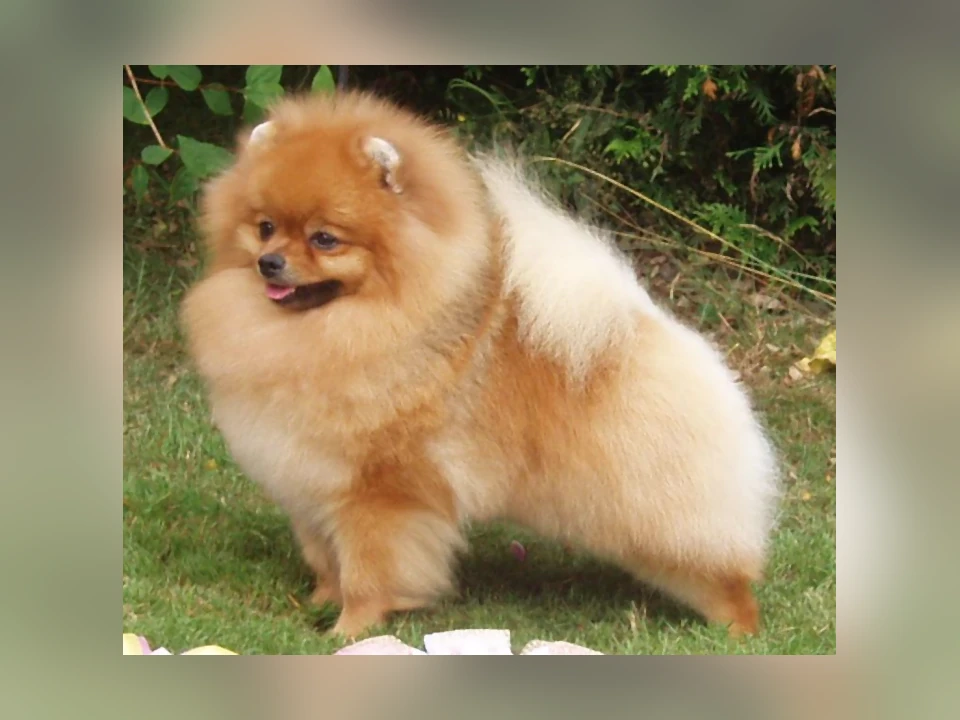
Meet the Pomeranian
The Pomeranian is a lot of dog folded into a very small, very fluffy package. Weighing in at just three to seven pounds, this AKC Toy group favorite is the smallest of the spitz family—a lineage of sturdy, thick-coated working dogs from the Arctic and northern Europe. Its ancestors were larger sled-pulling and herding spitz, scaled down over generations in the Pomerania region straddling modern Germany and Poland.
What survives from those working roots is the look and the attitude: a fox-like face, pricked ears, a plume of a tail curling over the back, and a stand-off double coat that makes the Pom look like a walking puffball. Inside is a confident, alert little dog that genuinely believes it’s much bigger than it is. As always, individual Poms vary widely in personality and energy, and responsible breeding or adoption from a reputable rescue makes a real difference in temperament and health.
Personality & temperament
Pomeranians are lively, curious, and bold—endlessly interested in what’s happening and quick to join in. They bond closely to their people and often become a devoted shadow, following you from room to room and lighting up when you come home.
That confidence comes with a built-in watchdog streak. Poms notice everything: a knock at the door, a passing dog, an unfamiliar sound. They’ll announce it all, which makes them alert little guardians but can also tip into excessive barking if it isn’t managed. Early socialization and consistent, reward-based training channel the instinct well, and learning the reasons behind the noise helps; our guide on why dogs bark so much covers practical, humane ways to dial it back without crushing that charming spitz spark.
They’re smart and trainable, though they can be a touch stubborn and easily distracted, so keep training sessions short, upbeat, and positive. Housetraining a tiny dog takes patience and consistency.
Living with a Pomeranian
The Pom is wonderfully apartment-friendly. It doesn’t need a yard, and modest exercise—a couple of short daily walks plus indoor play—usually keeps it happy. Mental stimulation matters as much as physical activity; puzzle toys and games keep that busy little brain occupied and help curb boredom barking.
Their biggest constraint is fragility. At a handful of pounds, a Pomeranian can be seriously hurt by a fall off the couch, a misjudged step, or rough play. Homes with toddlers or large, boisterous dogs should supervise interactions carefully; gentle older children who understand “small and breakable” are a far better match.
One non-negotiable: walk your Pom on a harness, never a neck collar. The breed is prone to a weakened windpipe (collapsing trachea), and pressure on the throat from a collar can trigger coughing and aggravate the condition. A well-fitted harness spreads the pressure across the chest instead.
Grooming & care
That signature puffball coat is a double coat—a soft, dense undercoat beneath a longer, harsher outer coat—and it asks for real upkeep. Brush a few times a week to lift loose fur, prevent mats behind the ears and legs, and keep the coat healthy. Poms shed year-round and “blow” their undercoat more heavily during seasonal changes, so expect fur around the house. Avoid shaving the double coat, which can damage how it regrows and undermine its insulation.
Dental care is arguably the single most important routine for this breed. Small mouths crowd teeth, and Poms are highly prone to plaque, tartar, and periodontal disease. Daily tooth brushing plus professional cleanings can genuinely extend quality of life—start early and stay consistent with our dog dental care guide.
Round out the routine with regular nail trims (small dogs rarely wear their nails down naturally), ear checks, and eye cleaning. If you’ve never done it, our walkthrough on trimming dog nails makes the job far less stressful for both of you.
Health
Pomeranians are generally long-lived, often reaching 12–16 years, but the breed carries a recognizable small-dog health profile worth knowing before you commit:
- Dental disease — extremely common; daily brushing and vet cleanings are preventive medicine here.
- Luxating patella — slipping kneecaps; watch for a skip or hop in the gait.
- Collapsing trachea — a honking cough; the harness rule directly protects against worsening it.
- Patent ductus arteriosus (PDA) — a congenital heart defect vets can screen for early in puppies.
- Hypoglycemia in puppies — tiny pups can crash in blood sugar; feed small, frequent meals and treat lethargy as urgent.
- Alopecia X (black skin disease) — a hair-loss condition that thins the coat; a vet should rule out other causes first.
The best safeguard is choosing a breeder who health-tests parents (OFA evaluations for patellas and cardiac issues) or adopting from a rescue that’s transparent about a dog’s history. Be wary of “teacup” Pomeranians marketed as extra-tiny: deliberately breeding for sizes below the standard can intensify fragility and health problems, and the term has no official AKC recognition. Routine veterinary care and weight management keep small joints and the heart in good shape.
Is a Pomeranian right for you?
A Pomeranian is a charming, portable, fiercely devoted companion that fits beautifully into apartment life and turns heads everywhere it goes. In return, it asks for real commitment: regular coat brushing and shedding management, diligent dental care, gentle handling because of its fragile size, and patience with a vocal, alert little watchdog.
If you want a quiet, low-effort, hands-off dog, this isn’t it. But if you’re charmed by a big personality in a tiny, fluffy package—and you’ll show up for the brushing, the dental routine, and the harness—few breeds will pack as much heart into so small a frame as a Pom.