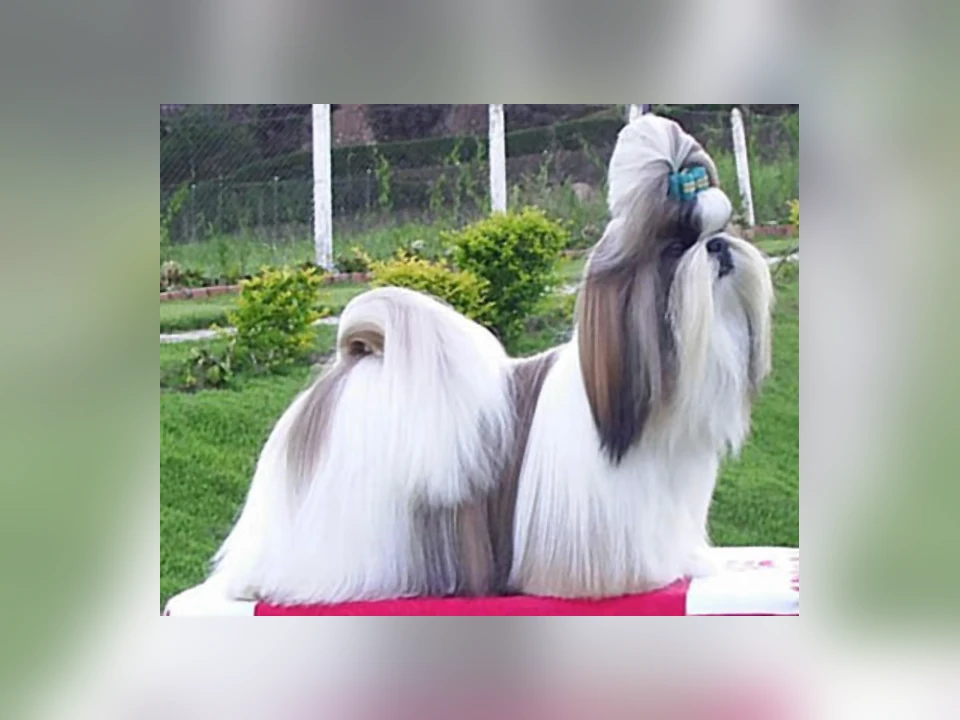
Meet the Shih Tzu (affectionate flat-faced lap companion)
Few dogs wear “companion” as proudly as the Shih Tzu. The name translates roughly to “little lion,” but there’s nothing fierce about this breed—it was developed over centuries in Tibet and refined in the imperial courts of China to do one job exceptionally well: keep people company. The American Kennel Club (AKC) places the Shih Tzu in the Toy group and describes a small, sturdy dog with a sweet, trusting nature and a famously luxurious coat.
That history matters, because it explains the dog you get today. Unlike breeds shaped for herding, guarding, or retrieving, the Shih Tzu has no working drive to channel—its purpose is affection, and it gives that affection generously. It also means an honest caveat up front: the Shih Tzu is brachycephalic, or flat-faced. That endearing pushed-in muzzle comes with real care responsibilities around breathing, heat, and the eyes. Individuals vary widely, and responsible breeding or thoughtful adoption genuinely improves the odds of a healthy, comfortable dog.
Personality & temperament (friendly, outgoing, people-oriented, adaptable; bred purely as companions)
Ask Shih Tzu owners to describe their dogs and the same words keep surfacing: friendly, outgoing, and utterly people-oriented. This is a breed that wants to be with you—on the couch, on your lap, following you from room to room. They tend to greet visitors as friends rather than threats, which makes them poor guard dogs but wonderful housemates.
Because they were bred purely as companions, Shih Tzu are remarkably adaptable. They’re generally good with children, gentle with seniors, and tolerant of other pets, making them a natural fit for many household types. They’re intelligent but carry a stubborn, slightly self-important streak—house-training in particular can take patience. Short, positive, reward-based sessions work far better than repetition or correction. Like many lap breeds, they can become clingy and may dislike long stretches alone, so plan for company or gradual independence training.
Living with a Shih Tzu (low exercise, great apartment & family dog)
For the right home, a Shih Tzu slots in almost effortlessly. Their exercise needs are modest: a couple of short walks and some indoor play usually keep them content and fit. They don’t need a yard, they thrive in apartments, and they’re small enough to travel and cuddle with ease. For families wanting a calm, affectionate dog without high-octane energy, the breed is hard to beat.
The biggest day-to-day caution is heat. Because they’re brachycephalic, Shih Tzu cool themselves poorly and can overheat alarmingly fast—heatstroke is a genuine, preventable danger. Walk them in the cool of the morning or evening, never leave them in a warm car, and learn the warning signs in our guide to dog heatstroke signs and what to do. Keep them lean, too: extra weight worsens breathing and strains small joints, and weight control is one of the simplest protective steps you can take.
Grooming & care (long low-shed coat = daily brushing or a short “puppy cut”)
Here’s the trade most owners underestimate. The Shih Tzu’s coat sheds very little—but that’s precisely why it demands work. Instead of dropping loose hair, the long double coat holds onto it, and without daily brushing it mats and tangles fast, sometimes painfully against the skin. You essentially have two honest options: commit to thorough daily brushing to maintain a full coat, or keep the dog in a short, practical “puppy cut” with regular professional trims every few weeks.
The face needs its own routine. Those big eyes sit close to the surface and gather tear stains and debris, so gentle daily eye and facial cleaning keeps them comfortable and helps you spot trouble early. Floppy, hair-filled ears trap moisture and warrant routine checks. Nails grow quickly on a small, indoor dog—our guide to trimming dog nails walks through doing it safely. And don’t skip the mouth: small jaws crowd the teeth, so consistent brushing and the preventive steps in our dog dental care guide matter more for this breed than most.
Health (the honest center of this breed)
A loving guide owes you candor here. The Shih Tzu can be a long-lived, robust little dog, but its build carries predictable risks worth planning around.
Breathing. As a brachycephalic breed, the Shih Tzu’s short muzzle can narrow the airway. Many snort and snore harmlessly, but loud, labored breathing or quick exhaustion signals a struggling airway. The Merck Veterinary Manual recognizes brachycephalic airway changes as a real, sometimes progressive condition.
Eyes. Large, prominent, shallow-set eyes are vulnerable to corneal ulcers, dry eye, and even proptosis—an eye being displaced from its socket after trauma, a genuine emergency. Daily protection and prompt vet care for any squinting or redness are essential.
Dental disease. Crowded, misaligned teeth in a small jaw accelerate tartar and gum disease, making at-home brushing and professional cleanings important.
Ears, knees, and hips. Recurring ear infections are common, and like many toy breeds, Shih Tzu can develop patellar luxation (slipping kneecaps) and hip joint problems.
The most protective choice a buyer can make is to favor breeders who select for more moderate, less extreme faces and who health-screen their dogs—Orthopedic Foundation for Animals (OFA) evaluations for patellas and hips, plus eye exams, are the kind of diligence to look for. Adoption through breed rescue is another excellent route, and pricing out pet insurance early is worthwhile.
Is a Shih Tzu right for you?
A Shih Tzu can be one of the most devoted, adaptable, and genuinely joyful companions you’ll ever share a home with—perfect for apartments, families, and gentle households that want a dog whose whole heart is set on being with them. That’s the warm, real truth.
The equally real truth is that this is a high-maintenance coat and a flat-faced dog. You’re signing up for daily brushing or regular grooming bills, careful eye and dental care, and sensible heat precautions for the life of the dog. If you can embrace that—and choose a responsible breeder or rescue with your eyes open—a Shih Tzu will return the effort with the kind of constant, affectionate devotion the breed was created to give.