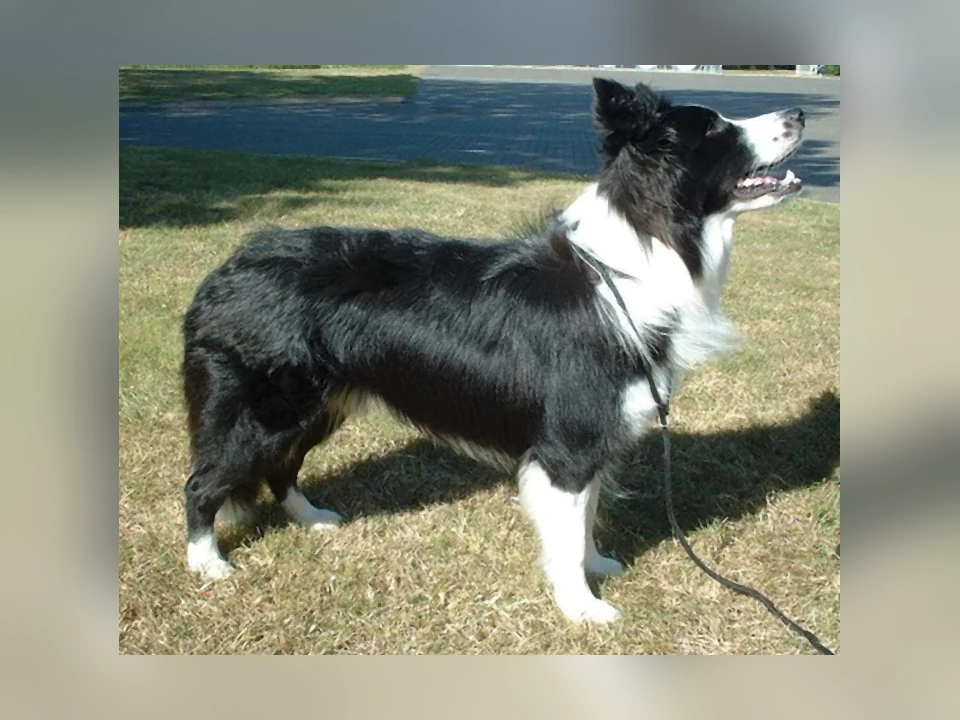
Meet the Border Collie
The Border Collie is widely considered the world’s smartest and most driven herding dog. Bred on the rugged border country between Scotland and England to gather and move sheep across vast, difficult terrain, this is a working animal in its bones — quick, athletic, and relentlessly focused. The famous “eye,” that low, intense stare a Border Collie uses to control livestock, is hardwired, not trained.
That brilliance is exactly why so many of these dogs end up in rescue. A Border Collie is not a clever pet you can switch off at the end of the day. It is a high-output athlete and problem-solver that needs a purpose. In the right home, it is breathtaking to live with. In the wrong one, it quietly falls apart. We want to be candid up front: for most households, this is simply too much dog.
Personality & temperament
Intense, brilliant, and a genuine workaholic — that is the honest summary. Border Collies learn faster than almost any other breed, read human body language acutely, and want to be working with you. They form deep bonds and tend to be sensitive, so harsh handling backfires badly.
That same wiring has a flip side. The herding instinct doesn’t switch off around the house. Many Border Collies will stare, stalk, circle, and even nip at moving things — joggers, bikes, cars, and, worryingly, running children. It is not aggression; it is instinct doing what it was built to do. With kids it needs management, training, and supervision, which is why we steer most families with very young children elsewhere.
Above all, this breed needs a job. A Border Collie without meaningful work will invent one, and you will not like its choices.
Living with a Border Collie
Here is the part people underestimate. A Border Collie typically needs hours of real daily activity — not one neighborhood walk, but sustained physical exercise plus serious mental work. Think dog sports like agility, flyball, herding, or obedience; long off-leash runs; trick training; scent work; or an actual working role on a farm.
When that need goes unmet, the dog doesn’t just get bored — it suffers. Under-stimulated Border Collies commonly develop obsessive behaviors (shadow-chasing, light-fixation, spinning, compulsive licking), anxiety, and destructiveness. Many also struggle when left alone, and the line between boredom and genuine distress can blur into separation anxiety. They are vocal, too; pent-up energy often comes out as relentless barking. If that worries you, our guide on why dogs bark so much explains the drivers.
This is not, for most people, a casual pet or an apartment dog. It thrives with space, structure, and an owner who genuinely wants to spend a large chunk of every day engaging with their dog.
Grooming & care
Border Collies carry a weather-resistant double coat, in either a rough (medium, feathered) or smooth (shorter, coarser) variety. Grooming demands are moderate: brush regularly — a couple of times a week, and more during the heavy seasonal “blow” when the undercoat sheds out in earnest. Expect steady year-round shedding and two bigger shed-outs a year, so a household with a Border Collie is a household with dog hair. Our practical tips on managing shedding will keep it under control.
Beyond brushing, the basics apply: routine nail trims, ear checks, and dental care. Coat aside, the real “care” of this breed is mental — a tidy coat means nothing to a dog that is bored out of its mind.
Health
Border Collies are generally hardy, but the breed carries several inherited conditions worth understanding before you commit.
The most important one to know about is MDR1 (multidrug sensitivity) — a gene variant that is relatively common in this breed and can cause severe, even fatal, reactions to certain ordinary medications, including some dewormers, sedatives, and chemotherapy drugs. Have your dog tested (the Washington State University Veterinary Pharmacology Lab offers the standard MDR1 test) and make sure every veterinarian knows the result before any drug is administered.
Other concerns include hip dysplasia, inherited eye conditions such as Collie eye anomaly and progressive retinal atrophy (PRA), epilepsy, and congenital deafness (more common in heavily white-marked dogs). None of this should scare you off, but it should shape how you find your dog. Insist on health-tested parents: OFA or PennHIP hip clearances, current eye exams, and relevant DNA testing, all consistent with AKC and OFA recommendations. Individuals vary, and responsible breeding — or thoughtful adoption from a breed-savvy rescue — is your best protection. Keeping your dog at a lean, healthy weight protects those joints too; see our guide on whether your dog is overweight.
Is a Border Collie right for you?
For the right person, there is no better dog. If you compete in dog sports, work livestock, or simply structure your life around an extremely active, trainable companion, a Border Collie will rise to everything you ask and then ask for more. The partnership these dogs offer is genuinely special.
But be honest with yourself. If you want a dog that fits neatly around a full-time job, relaxes on the couch most days, lives happily in an apartment, or forgives a quiet weekend, a Border Collie is the wrong choice — and choosing one anyway tends to end in a frustrated owner and a miserable dog. For most pet households, a calmer, less demanding breed is the kinder decision for everyone, the dog included.