PetGrit
Dogs breed Medium

American Staffordshire Terrier

A muscular, deeply people-bonded terrier that wants to be your shadow, not your guard dog.

confidentaffectionateloyalcourageouspeople-orientedtenacious
Updated June 12, 2026 Reviewed against American Kennel Club
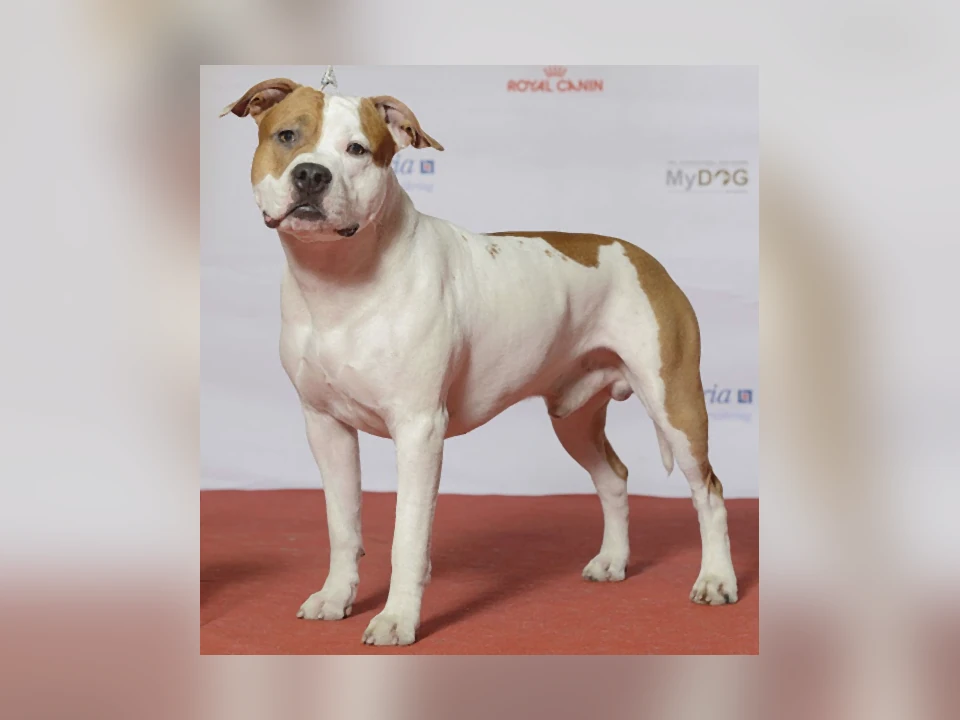
American Staffordshire Terrier dog in a natural setting

Care OS lens

Create a American Staffordshire Terrier care file

Fold this breed context into a printable PetGrit handoff with health-watch notes, body-shape cues, and questions for your next visit.

Build care file

Watch first

First-time owners looking for a low-maintenance pet, homes with no time for exercise and training, multi-dog households where dog-dog tolerance isn't carefully managed, or owners who can't accommodate BSL and rental restrictions.

Personalized next step

Create a American Staffordshire Terrier care brief

Carry this breed profile into a printable PetGrit report with health-watch notes, trait context, body-shape cues, and vet-visit questions.

Build care brief

Origin

The American Staffordshire Terrier traces back to 19th-century England, where bulldogs were crossed with terriers to create agile, courageous ‘bull-and-terrier’ dogs. Brought to the United States, the type was bred larger and was recognized by the AKC in 1936 as a distinct breed from its British cousin, the Staffordshire Bull Terrier. The ‘AmStaff’ was developed as a working farm dog, companion, and show dog — and that companion role is the heart of the breed today.

Personality and daily life

The defining trait of a good AmStaff is how much it loves people. These are not aloof guardians; they’re affectionate, goofy, and want to be physically close to their family — on the couch, underfoot, leaning into your legs. They’re confident and tenacious (it’s a terrier, after all), with a playful streak that lasts into adulthood. A well-bred AmStaff is stable and friendly toward humans; the standard explicitly calls for confidence, not nervousness or hostility toward people.

The flip side is that they don’t tolerate isolation well. An AmStaff left alone in a yard for hours, or chained outside, is a recipe for frustration and behavior problems. This is an indoor, family-integrated dog.

Exercise and training

This is an athletic, strong, intelligent breed that needs a real job. Budget at least an hour of meaningful activity daily — brisk walks, fetch, tug, scent games, or dog sports like agility and weight pull, where AmStaffs often excel. Mental work matters as much as physical.

Training-wise, they’re smart and eager to please their people, which makes them very trainable with positive, reward-based methods. Early, thorough socialization is non-negotiable: expose your puppy to many people, places, and (carefully) other dogs. Some AmStaffs show dog-directed reactivity as they mature, so manage multi-dog situations thoughtfully rather than assuming every dog will be a friend.

Grooming

Grooming is the easy part. The short, glossy coat needs only a weekly once-over with a rubber curry brush and the occasional bath. They shed moderately year-round. Keep nails trimmed and check those skin-prone areas (more on that below).

Health

With responsible breeding, AmStaffs are robust dogs that often live 12-16 years. The most important breed-specific concern is cerebellar ataxia (NCL-A), a late-onset inherited neurodegenerative disease caused by an ARSG mutation; signs of progressive incoordination typically appear at 3-5 years. A DNA test exists, and the Staffordshire Terrier Club of America requires it for CHIC participation — so a reputable breeder can show you clear results on both parents. Also screen for hip dysplasia (OFA/PennHIP) and heart disease (cardiac exam), and be aware the short coat is prone to skin allergies and atopic dermatitis, which a vet can usually manage. Keeping your dog lean protects the joints throughout life.

Who this breed suits

The AmStaff suits an experienced, active owner who wants a deeply affectionate companion and will put in the socialization and training a powerful dog requires. Be clear-eyed about the practical realities: breed-specific legislation, housing bans, and homeowner-insurance restrictions affect ‘Pit Bull-type’ dogs in many places, and that’s a responsibility you take on with the dog. If you can meet those commitments, few breeds will love you harder.

Best for

Experienced, active owners who want a powerful, affectionate companion, can commit to early socialization and consistent training, and are willing to navigate breed-specific legislation and insurance/housing restrictions responsibly.

Maybe not for

First-time owners looking for a low-maintenance pet, homes with no time for exercise and training, multi-dog households where dog-dog tolerance isn't carefully managed, or owners who can't accommodate BSL and rental restrictions.

Health to watch

Common in the breed — not a diagnosis. A good breeder screens for these, and your vet can guide prevention and early care.

  • Cerebellar ataxia (Neuronal Ceroid Lipofuscinosis, NCL-A / ARSG mutation) — A breed-specific, late-onset inherited neurodegenerative disease causing progressive loss of coordination, usually appearing at 3-5 years. A DNA test exists and the Staffordshire Terrier Club of America requires it for breeding stock; ask any breeder for clear results on both parents.
  • Hip dysplasia — Malformed hip joints can lead to arthritis and lameness. OFA or PennHIP screening of breeding dogs reduces risk; keep your dog lean and avoid forced over-exercise in puppyhood.
  • Heart disease — Congenital and acquired cardiac issues occur in the breed; the AmStaff parent club includes cardiac evaluation in its CHIC health screening.
  • Skin allergies and atopic dermatitis — The short coat is prone to environmental and food allergies, causing itching, recurrent ear and skin infections. Often manageable with a vet's allergy plan.

Sources

  • American Kennel Club — American Staffordshire Terrier breed standard & overview — Size, coat, temperament, and group
  • Staffordshire Terrier Club of America (STCA) — Health Committee / CHIC requirements — NCL-A DNA testing and breeding recommendations
  • AKC Canine Health Foundation — Cerebellar Ataxia (NCL-A) — Inheritance, onset, and clinical signs
  • Merck Veterinary Manual — Hip dysplasia, atopic dermatitis, and cardiac disease background

Frequently asked questions

Is the American Staffordshire Terrier the same as a Pit Bull?

They're closely related but not identical. The AmStaff is an AKC-recognized breed with a written standard; 'Pit Bull' is an umbrella term often applied to the AmStaff, the American Pit Bull Terrier (registered by the UKC/ADBA), and lookalike mixes. Many AmStaffs and APBTs share ancestry, but they're registered as separate breeds.

Are American Staffordshire Terriers good family dogs?

With the right home, yes — they're famously affectionate and tolerant with their people and earned the old nickname 'nanny dog.' That said, they're powerful and need supervision around young kids and other dogs. Early socialization and training matter more than the breed's reputation.

Are they aggressive toward people?

Human aggression is not characteristic of a well-bred AmStaff; the standard calls for a confident, friendly temperament toward people. Dog-directed reactivity can occur and should be managed. Any individual dog's behavior depends heavily on breeding, socialization, and training.

How much exercise does an AmStaff need?

Plan on at least an hour of real activity daily — brisk walks, fetch, structured play, or dog sports like weight pull or agility. They're athletic and intelligent, and a bored, under-exercised AmStaff can become destructive.

Similar breeds