PetGrit
Dogs breed Medium to Large (largest terrier)

Airedale Terrier

The King of Terriers: the largest of the breed, smart and versatile, with terrier fire under a dignified exterior.

intelligentconfidentcourageousalertloyalindependent
Updated June 12, 2026 Reviewed against American Kennel Club
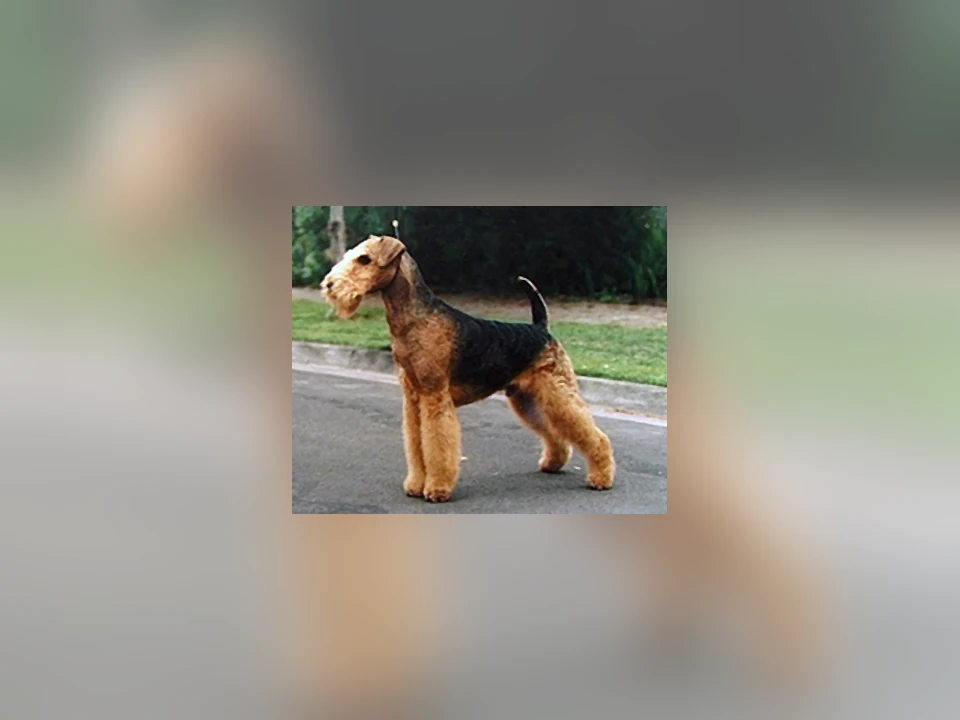
Airedale Terrier dog in a natural setting

Care OS lens

Create a Airedale Terrier care file

Fold this breed context into a printable PetGrit handoff with health-watch notes, body-shape cues, and questions for your next visit.

Build care file

Watch first

Sedentary or hands-off owners, homes wanting a wash-and-go coat, and those who can't commit to firm training — an under-stimulated Airedale is strong, stubborn, and mischievous. Strong prey drive toward small animals.

Personalized next step

Create a Airedale Terrier care brief

Carry this breed profile into a printable PetGrit report with health-watch notes, trait context, body-shape cues, and vet-visit questions.

Build care brief

Origins

The Airedale Terrier was born in the 19th century in the Aire valley of Yorkshire, England, where working-class hunters crossed terriers with the Otterhound to create a dog that could hunt on land and in water, dispatch vermin, and stand up to larger quarry. The result was the largest and most versatile of all terriers — the ‘King of Terriers.’ The breed went on to serve with distinction as a messenger and guard dog in World War I and as one of the earliest police and military dogs, a testament to its brains and courage.

Personality and daily life

Airedales are confident, intelligent, and bold, with the classic terrier blend of affection and stubbornness. They’re devoted and playful with their families, naturally protective and alert (making good watchdogs), and they have a mischievous sense of humor. That independence is a double edge: they’re capable of learning almost anything but will happily ignore you if you haven’t earned their cooperation. The terrier prey drive is strong, so small animals and unfamiliar dogs call for management.

Exercise and training

This is an athletic, high-energy working breed that needs a genuine outlet — at least an hour or more of daily exercise plus mental engagement. Long walks, running, fetch, swimming, and dog sports like agility, obedience, and tracking all suit the Airedale well. Training should start early and stay consistent: positive, reward-based methods that keep that quick mind busy work best, while harsh or repetitive drilling backfires. A well-exercised, well-trained Airedale is a delight; a neglected one becomes a strong, bored, destructive handful.

Grooming

The hard, wiry coat is a low-shedding plus and a grooming commitment at the same time. It needs brushing a couple of times a week to prevent matting, plus regular maintenance of the coat every couple of months — hand-stripping to preserve the proper harsh texture (especially for show dogs) or clipping for pet dogs, which softens the coat but is easier. Pay attention to the beard and feet, which trap food and debris, and keep ears clean given the breed’s allergy tendencies.

Health

Airedales are generally sturdy, but a few conditions deserve attention. Hip dysplasia occurs in the breed, so hip evaluations on breeding parents are recommended. Hypothyroidism is fairly common and easily managed for life once diagnosed. As a large, deep-chested breed, the Airedale is at risk of gastric dilatation-volvulus (bloat) — a true emergency, so every owner should learn the warning signs and discuss prevention with their vet. The breed is also prone to allergic skin disease, which can cause itching, infections, and ear trouble and may need ongoing management. A responsible breeder will provide hip and thyroid clearances and discuss the family’s health history openly.

Who this breed is for

The Airedale is ideal for an active, engaged owner who wants a smart, versatile, protective companion and is ready for both the exercise and the grooming the breed demands. It rewards consistent training and an active lifestyle with loyalty, fun, and capability across almost any activity. It’s a poor fit for someone wanting an easygoing, low-maintenance dog or who underestimates the intelligence and drive packed into the King of Terriers.

Best for

Active, engaged owners who want a smart, versatile, protective companion and will provide daily exercise, consistent training, and regular professional coat care.

Maybe not for

Sedentary or hands-off owners, homes wanting a wash-and-go coat, and those who can't commit to firm training — an under-stimulated Airedale is strong, stubborn, and mischievous. Strong prey drive toward small animals.

Health to watch

Common in the breed — not a diagnosis. A good breeder screens for these, and your vet can guide prevention and early care.

  • Hip dysplasia — Abnormal hip joint development causing stiffness, pain, and arthritis over time; the parent club recommends hip evaluation of breeding dogs. Ask for hip clearances on parents.
  • Hypothyroidism — Underactive thyroid is seen in the breed, causing weight gain, lethargy, and coat or skin changes. It's easily managed for life with daily thyroid hormone supplementation once diagnosed.
  • Gastric dilatation-volvulus (bloat/GDV) — As a large, deep-chested breed, Airedales are at risk of this life-threatening stomach twist. It is an emergency requiring immediate surgery; know the warning signs (unproductive retching, swollen abdomen, distress).
  • Allergic skin disease (atopic dermatitis) — The breed is prone to skin allergies causing itching, recurrent infections, and ear problems. Management may include diet, medication, and routine coat and ear care.

Sources

  • American Kennel Club — Airedale Terrier breed standard & history — Size, group, origin, and 'King of Terriers' background
  • Airedale Terrier Club of America (ATCA) — health & recommended tests — Hip and thyroid screening recommendations
  • PetMD — Airedale Terrier Breed Health and Care — Overview of hip dysplasia, hypothyroidism, GDV, and dermatitis
  • Merck Veterinary Manual — Reference for gastric dilatation-volvulus and hypothyroidism

Frequently asked questions

Why is the Airedale called the 'King of Terriers'?

Because it's the largest of all terrier breeds and remarkably versatile — historically used for hunting, ratting, water retrieving, guarding, police and military work, and as a family companion. The combination of size, intelligence, and adaptability earned it the nickname.

Do Airedale Terriers shed a lot?

No — the wiry coat sheds very little, which many owners appreciate. The trade-off is grooming: the coat needs regular brushing plus hand-stripping (for show coats) or clipping every couple of months to stay neat and healthy. It is not a low-maintenance coat overall.

Are Airedales good with children and other pets?

They're typically good, playful family dogs with children when raised and socialized properly, though their size and energy mean supervision around small kids is wise. With other dogs and small animals, the strong terrier prey drive can be an issue, so early socialization and management matter.

How much exercise does an Airedale need?

A lot. Plan on at least an hour or more of daily activity — long walks, running, fetch, swimming, or dog sports — plus mental stimulation. Airedales are smart and energetic, and a bored one will dig, chew, and find its own (often destructive) entertainment.

Similar breeds