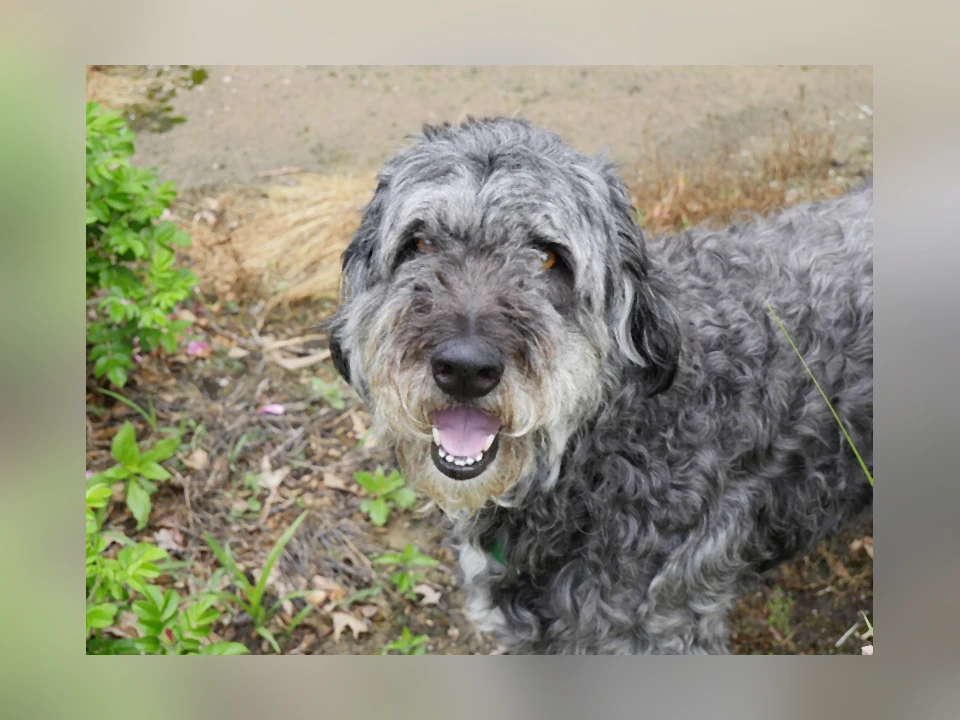
Meet the Aussiedoodle (Australian Shepherd x Poodle crossbreed)
The Aussiedoodle pairs two of the most intelligent, work-driven dogs in the world: the agile, intensely focused Australian Shepherd and the brilliant, athletic Poodle. The result is a striking, often merle-coated dog with a reputation for being smart, loyal, and endlessly trainable. For the right owner, an Aussiedoodle is an extraordinary partner. For the wrong one, that same intensity becomes a daily problem.
Before the puppy photos win you over, understand what this cross really is: a crossbreed, not a standardized breed, built from two demanding working lines. That combination shapes everything about owning one.
What “crossbreed” really means
There is no Aussiedoodle breed standard, and no major kennel club recognizes it as a breed. A breed is bred to a consistent standard so traits are predictable; a crossbreed is not. Coat, adult size, color, and drive vary litter to litter and even within a litter, from a 25-pound Mini to a 70-pound Standard. People assume later generations are “more hypoallergenic,” but no label guarantees a non-shedding coat, and no dog is truly hypoallergenic.
Personality & temperament
This is a brilliant dog, and that is both the appeal and the catch. Aussiedoodles are typically highly intelligent, energetic, loyal, and intensely trainable, often picking up cues faster than their owners can teach them. They bond closely with their people, can be reserved or alert with strangers (an Aussie trait), and thrive when given a job. Many also inherit a herding instinct and may try to herd children or other pets by circling and nipping at heels, which needs to be redirected early.
The flip side is that a dog this smart and driven cannot simply be a houseplant. Without real physical and mental work, Aussiedoodles become bored, anxious, and destructive. This is not a beginner’s dog or a casual companion; it is a working-type cross that needs an engaged owner.
Living with an Aussiedoodle
Plan for one to two hours of vigorous daily activity plus mental enrichment: training sessions, puzzle feeders, fetch, hiking, swimming, or dog sports like agility and obedience, at which they excel. A bored Aussiedoodle invents its own jobs, usually destructive ones. They are happiest with active families who include them in the action, and they do far better with a yard and an outdoorsy lifestyle than in a sedentary apartment home.
The coat is the other daily reality. The wavy-to-curly coat mats easily and needs regular brushing plus a professional clip every several weeks. Build ear cleaning, nail trims, and dental care into the routine, and start handling early.
Grooming & care
Expect frequent brushing to prevent painful mats, especially behind the ears and on the legs, plus regular professional grooming. The curlier the coat, the higher the commitment. Keep ears clean and dry, since floppy doodle ears trap moisture, and stay on top of nails and teeth.
Health
The single most important health point with this cross is the MDR1 (multidrug sensitivity) gene. Inherited from the Australian Shepherd line, this mutation makes affected dogs dangerously sensitive to a list of common drugs, including certain parasite preventives, anesthetics, and pain medications, with reactions that can be severe or fatal at normal doses. An inexpensive DNA test from labs such as Washington State University reveals your dog’s status so your veterinarian can choose drugs safely. Ask the breeder for the parents’ MDR1 results and test your own dog.
Beyond MDR1, watch for hip and elbow dysplasia (both parent breeds carry orthopedic risk, so insist on OFA clearances), inherited eye diseases including progressive retinal atrophy and Collie eye anomaly, and epilepsy, which is documented in both lines. Coat color carries a warning too: breeding two merle dogs together produces “double merle” offspring at high risk of deafness and blindness, so a responsible breeder never pairs merle to merle. As the Merck Veterinary Manual notes, knowing your dog’s hereditary risks lets your vet screen proactively. Choose a breeder who health-tests both parents and avoid those breeding for flashy merle coats over health.
Is an Aussiedoodle right for you?
A well-bred Aussiedoodle can be a phenomenal companion for an active, committed owner, athletic, devoted, and almost frighteningly smart. But that brilliance is a responsibility. This dog needs daily physical and mental work, consistent training, regular grooming, and an owner who genuinely enjoys an engaged, high-drive partner. Confirm the breeder health-tests both parents, especially for MDR1, and meet the actual dog. If your lifestyle matches its energy, few crosses are more rewarding; if it does not, choose a calmer dog and save you both the frustration.