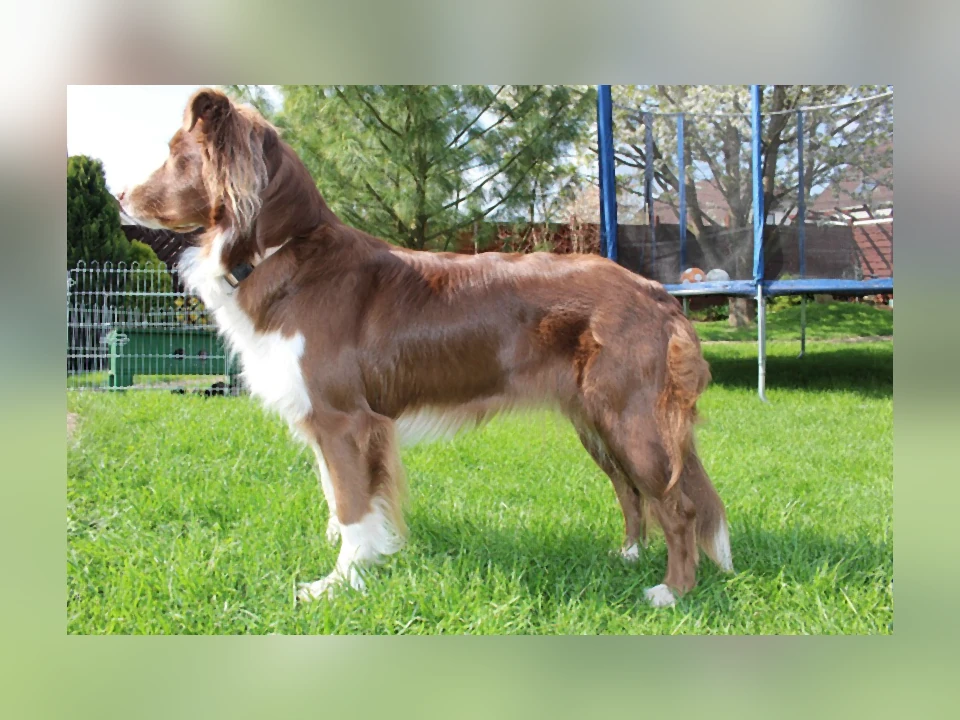
Meet the Australian Shepherd
Despite the name, the Australian Shepherd is an American breed, developed on Western ranches to work livestock alongside cowboys and shepherds. The result is one of the most capable, hardworking dogs you can own: agile, weatherproof, endlessly trainable, and built to move all day. Aussies are mid-sized athletes with a striking double coat, often in merle, black, red, or tricolor patterns, and frequently with bright or marbled eyes.
What sets the breed apart isn’t looks, though, it’s the brain. An Australian Shepherd is a problem-solver who wants to be working with you, not lounging beside you. Matched with the right owner, that drive makes them spectacular partners. Matched with the wrong lifestyle, the same drive becomes a daily source of frustration for everyone involved.
Personality & temperament
Aussies are brilliant, energetic, and deeply devoted to their people. They bond hard, learn fast, and excel at almost anything you teach, from advanced obedience to agility, herding trials, flyball, and search work. This is a dog that genuinely needs a job. Without one, that sharp mind turns to inventing its own projects, and you may not like the results.
Their herding heritage shows up in everyday life. Many Aussies instinctively try to gather and control movement, which can mean circling, chasing, or nipping at running kids, bikes, or other pets. It’s not aggression; it’s the breed doing what it was bred to do. Early socialization and consistent training redirect that instinct into acceptable outlets. Mental work is not optional with this breed: puzzle feeders, trick training, and structured tasks are as important as physical exercise.
Living with an Aussie
Plan for serious daily exercise, ideally one to two hours of vigorous activity, plus training or dog sports on top of it. A walk around the block won’t cut it. Aussies thrive when they have a purpose: fetch with rules, herding lessons, agility, scent games, or a long trail hike. The happiest Aussies live with owners who treat exercise and training as part of the daily routine, not an afterthought.
The flip side is real. An under-stimulated Australian Shepherd often becomes destructive, vocal, or anxious. Boredom-driven barking is common, and the breed can be quite mouthy about announcing things, so it helps to understand why dogs bark so much and to channel that energy early. Aussies also bond so closely that being left alone all day can trigger genuine distress; if you see pacing, destruction, or howling when you leave, read up on separation anxiety in dogs and build independence gradually. This is simply not a breed that does well home alone for long stretches.
Grooming & care
The Australian Shepherd wears a medium-length double coat that insulates against heat and cold, and it sheds, a lot, especially during seasonal coat blows in spring and fall. Brush at least weekly year-round, and more often during heavy shedding periods, to remove loose undercoat and prevent mats behind the ears, under the legs, and around the britches. A good routine keeps both the coat and your home manageable; our guide to managing dog shedding covers tools and timing.
Never shave an Aussie’s double coat. The coat regulates temperature and protects the skin, and shaving can damage how it grows back. Otherwise, care is straightforward: routine nail trims, dental care, ear checks, and baths only as needed. Because the coat hides condition well, run your hands over your dog regularly to monitor weight and skin.
Health
Australian Shepherds are generally hardy, but the breed carries a few important health considerations, and informed owners make a real difference.
The most breed-specific issue is the MDR1 gene variant (multidrug sensitivity), which is common in Aussies and affects how the body processes certain medications, including some common dewormers, sedatives, and chemotherapy drugs. A simple cheek-swab or blood test, pioneered by Washington State University, tells your vet which drugs to avoid or dose differently. Tell every veterinarian you see that your dog is an Aussie, and test for it; this one step can prevent a dangerous reaction.
Other conditions to know:
- Hip and elbow dysplasia — joint malformations that lead to pain and arthritis; choose parents screened through the OFA.
- Eye conditions — collie eye anomaly and cataracts both occur in the breed, which is why responsible breeders perform annual veterinary eye exams.
- Epilepsy — idiopathic seizure disorders appear in some lines and require veterinary diagnosis and management.
Coat color genetics matter here too: breeding two merle dogs together can produce double-merle puppies with a high risk of deafness and blindness, which is why ethical breeders never make that pairing. Whether you buy or adopt, look for health-tested parents, OFA hip/elbow/eye clearances, and an MDR1 result. Individual dogs vary, and responsible breeding plus regular veterinary care stack the odds in your favor.
Is an Aussie right for you?
An Australian Shepherd is an extraordinary dog for the right person: someone active, engaged, and genuinely interested in training and working alongside their dog. If you run, hike, compete in dog sports, or want a brilliant partner who lives to learn, few breeds will delight you more.
If your days are mostly sedentary, or your dog would be alone for long hours, this is the wrong breed, and that mismatch leads to a stressed dog and a stressed owner. Aussies don’t fail in those homes because they’re difficult; they fail because their needs go unmet. Meet the need for exercise, training, and companionship, and you’ll have one of the most rewarding dogs imaginable.