PetGrit
Dogs breed Giant

Anatolian Shepherd Dog

A powerful, independent livestock guardian bred to think for itself, deeply loyal, but not a beginner's dog.

independentprotectivecalmterritorialintelligent
Updated June 12, 2026 Reviewed against American Kennel Club, Anatolian Shepherd Dog breed standard
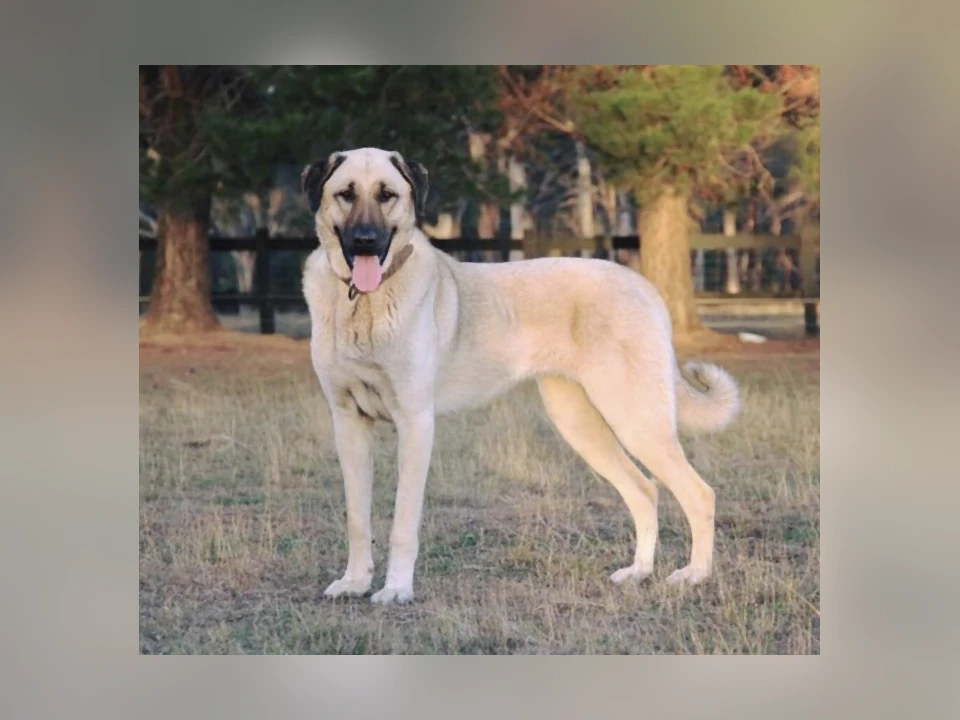
Anatolian Shepherd Dog in a natural setting

Care OS lens

Create a Anatolian Shepherd Dog care file

Fold this breed context into a printable PetGrit handoff with health-watch notes, body-shape cues, and questions for your next visit.

Build care file

Watch first

First-time owners, apartment or small-yard homes, and anyone wanting an obedient off-leash companion or a social dog-park regular. Their guarding instinct and size demand serious management and early socialization.

Personalized next step

Create a Anatolian Shepherd Dog care brief

Carry this breed profile into a printable PetGrit report with health-watch notes, trait context, body-shape cues, and vet-visit questions.

Build care brief

Origin

The Anatolian Shepherd Dog is an ancient livestock guardian from the harsh plateau of central Turkey, where for thousands of years it has protected flocks from wolves and other predators. It was never bred to herd or to obey moment-to-moment commands; it was bred to live with the flock, assess threats independently, and act decisively without a human nearby. That working history is the key to the breed. Recognized by the AKC in 1996, it remains far closer to a functional guardian than to a typical companion dog.

Personality and daily life

Expect a calm, watchful, deeply loyal dog with a strong sense of territory and family. Anatolians are typically reserved with strangers and naturally suspicious of anything they perceive as a threat to their people, property or animals. They are affectionate with their own family but are not eager-to-please dogs, they think for themselves, and they expect to. This independence is a feature, not a flaw, but it means owners must lead with consistency and respect rather than force.

Exercise and training

For their size, Anatolians are surprisingly low-key, prone to conserving energy and patrolling rather than running endlessly. What they truly need is space, a sense of purpose, and secure boundaries. Training requires patience and fairness; harsh methods backfire badly with a powerful, intelligent guardian. The single most important investment is early, broad socialization, exposing the puppy to many people, animals and situations so its protective instinct stays discerning rather than indiscriminate. Secure, tall fencing is essential, both for the dog’s safety and for managing its guarding behavior.

Grooming

Grooming demands are modest. The dense double coat needs only routine brushing most of the year, with heavier brushing during seasonal shedding, when the undercoat blows out in impressive quantity. Beyond that, standard nail, ear and dental care keep them in good order.

Health

The breed is generally hardy and long-lived for its size, but giant-breed concerns apply. Hip and elbow dysplasia are the priority screenings; buy only from breeders who test. Entropion (inward-rolling eyelids) and hypothyroidism appear in the breed and are both treatable when caught. As a large, deep-chested dog, the Anatolian carries bloat (GDV) risk, learn the signs and discuss preventive options with your vet. Their lean build also means owners should use a veterinarian who accounts for the anesthetic sensitivity common in large, lean guardian breeds when surgery or sedation is needed.

Who they suit

The Anatolian Shepherd is for experienced owners with land and, ideally, a real job for the dog, guarding livestock or a rural property. In the right setting, with knowledgeable handling and committed socialization, it is a magnificent, devoted protector. It is genuinely the wrong choice for first-time owners, apartment living, or anyone wanting a biddable, social, off-leash companion. Honesty here prevents heartbreak: match the home to the dog the breed actually is.

Best for

Experienced owners with land, a job for the dog (guarding livestock or property), and the skill to handle an autonomous, strong-willed giant. They thrive when they have territory and family to watch over.

Maybe not for

First-time owners, apartment or small-yard homes, and anyone wanting an obedient off-leash companion or a social dog-park regular. Their guarding instinct and size demand serious management and early socialization.

Health to watch

Common in the breed — not a diagnosis. A good breeder screens for these, and your vet can guide prevention and early care.

  • Hip and elbow dysplasia — Joint malformations seen in large, fast-growing breeds; insist on OFA or PennHIP screening of the parents and keep growing pups lean.
  • Entropion — Inward-rolling eyelids that irritate the eye and may need surgical correction; have any persistent squinting or eye discharge checked.
  • Hypothyroidism — Underactive thyroid causing lethargy, weight gain and coat problems; easily diagnosed by blood test and managed with daily medication.
  • Gastric dilatation-volvulus (bloat/GDV) — A deep-chested giant breed carries real bloat risk; learn the signs and ask your vet whether a preventive gastropexy is appropriate.
  • Anesthetic sensitivity — Lean, large guardian breeds can be more sensitive to anesthesia; use a vet who tailors dosing and monitoring to the breed and body composition.

Sources

  • American Kennel Club, Anatolian Shepherd Dog breed standard — Conformation, size and temperament reference
  • Anatolian Shepherd Dog Club of America / OFA CHIC — Recommended health screening including hips, elbows and thyroid
  • PetMD, Anatolian Shepherd Dog health and care — Health predisposition overview
  • Merck Veterinary Manual — Reference for GDV, hypothyroidism and entropion

Frequently asked questions

Is the Anatolian Shepherd a good first dog?

Generally no. Their independence, size, strength and strong guarding instinct make them a demanding breed best suited to experienced owners. Without confident handling and early socialization, a protective giant can become a serious management problem.

Can an Anatolian Shepherd live in a house as a pet?

Some do, but they need space, a sense of territory and ideally a job. They're not suited to apartments or small yards, and a bored, under-stimulated guardian can become territorial, vocal or destructive. Rural and acreage homes fit them best.

Are Anatolian Shepherds aggressive?

They're protective and territorial rather than indiscriminately aggressive. Well-bred, well-socialized Anatolians are typically calm and discerning. The risk comes from their power and guarding drive combined with poor socialization or weak handling, which is why responsible ownership matters so much.

How much exercise do they need?

Less frantic activity than you might expect for their size, they tend toward calm, conserving energy and patrolling. They need space to move and a purpose more than they need intense daily workouts. Mental engagement and a territory to watch matter most.

Similar breeds