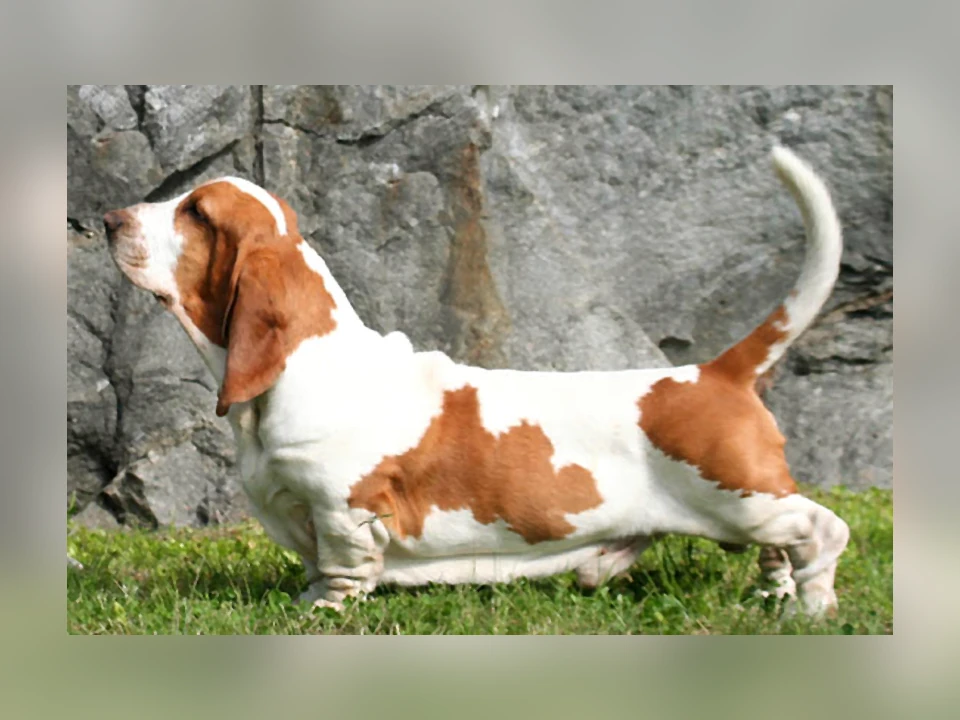
Meet the Basset Hound
Few dogs are as instantly recognizable as the Basset Hound: long and low to the ground, with a heavy bone structure, velvety drooping ears, and a wrinkled, soulful face that seems perpetually thoughtful. Developed in France—the name comes from the French bas, meaning “low”—the breed was bred to trail rabbit and hare on foot, moving slowly enough that hunters could follow on foot rather than horseback. That heritage shaped everything about the dog you see today.
Behind those mournful eyes is a famously good nature. The American Kennel Club describes the Basset as charming, patient, and low-key, and the breed is renowned for being one of the most sweet-tempered and tolerant of all hounds. But “easygoing” and “stubborn” sit side by side in this dog. The Basset is a scent hound first, which means a nose of legendary sensitivity—second only to the Bloodhound—and a determined independent streak to match. Understanding that combination is the key to a happy life together.
Personality & temperament
Bassets are gentle, affectionate, and remarkably mellow companions. They tend to get along with everyone—children, strangers, and other dogs alike—thanks to a pack heritage that wired them for company. Most are calm and patient at home, content to lean against you on the couch and watch the household go by.
That calm exterior hides a deeply nose-driven, independent mind. Once a Basset locks onto an interesting scent, the rest of the world—your voice included—tends to fade away. This makes training a study in patience: they’re intelligent but selectively deaf, responding far better to short, food-motivated, positive sessions than to repetition or pressure.
They’re also vocal. The breed’s signature deep bay and mournful howl carry a long way, and a bored or lonely Basset will use them freely. If you’re considering one, it helps to read up on why dogs bark and howl so much so the noise doesn’t catch you off guard.
Living with a Basset
Despite their reputation for laziness, Bassets need consistent, moderate exercise—daily walks and sniff-rich outings keep both body and mind healthy. What they don’t need is intensity: jumping, jogging, and stair-climbing should be limited, because the breed’s long spine and short legs are vulnerable to injury.
This is where weight management becomes the central job of every Basset owner. Extra pounds put enormous strain on that long back and the heavy front end, accelerating joint disease and raising the risk of disc problems. Bassets are enthusiastic eaters who will happily talk you into seconds, so measure meals, go easy on treats, and learn to recognize the signs of a dog carrying too much weight. Keeping your Basset lean is genuinely the single most important thing you can do for his long-term health.
The nose creates one more non-negotiable: containment. A Basset on a trail follows it with cheerful disregard for traffic, fences, or your calls. A securely fenced yard and a reliable leash aren’t optional—off-leash freedom in an unfenced space is simply unsafe for this breed.
Grooming & care
The short, dense coat is low-maintenance and needs only weekly brushing, though Bassets shed steadily year-round—more than their smooth coats suggest. A quick weekly groom keeps loose hair and shedding under control.
The real care commitments lie elsewhere. Those long, low-set ears block airflow and trap moisture and debris, making the Basset one of the breeds most prone to ear infections. Frequent checks and gentle cleaning are essential; learn to spot the early signs in our guide to dog ear infections, because catching them early saves your dog real discomfort. The breed’s loose facial skin and drooping lips also mean drool and food can collect in the folds, so wipe wrinkles and lips regularly to prevent skin irritation and odor. Finally, keep those eyes and the droopy lower lids clean and watch for redness or discharge.
Health
Bassets are generally sturdy and typically live 12 to 13 years, but their distinctive build carries real health considerations. Obesity is the most common and most preventable, and it compounds nearly every other problem. Their long backs and dwarfed legs put them at elevated risk for intervertebral disc disease (IVDD), while their angular, heavily loaded front legs make elbow dysplasia and arthritis a concern.
The long, hanging ears predispose them to chronic infections, and the breed is prone to several eye problems, including glaucoma, which can threaten vision and requires prompt veterinary attention. As a deep-chested dog, the Basset is also at risk of bloat (gastric dilatation-volvulus)—a sudden, life-threatening emergency. Learn the warning signs (a distended abdomen, unproductive retching, restlessness) and seek emergency care immediately if you see them.
The best protection is choosing health-tested parents. The Orthopedic Foundation for Animals (OFA), in partnership with the national breed club, recommends specific screenings, and the Merck Veterinary Manual is a reliable reference for understanding these conditions. Whether you buy or adopt, ask about parental health testing and partner with a veterinarian for regular checkups. Every dog is an individual, and responsible breeding plus good preventive care stack the odds in your favor.
Is a Basset Hound right for you?
A Basset Hound can be a wonderful companion: gentle, patient, sociable, and bursting with personality wrapped in one of the most endearing packages in dogdom. But he is not a low-effort dog. The honest checklist looks like this: Can you commit to keeping him lean and protecting that long back? Will you stay on top of regular ear, skin-fold, and eye care? Can you tolerate drool, shedding, and a deep, carrying bay? And do you have a securely fenced yard, knowing his recall will never be reliable?
If you can answer yes, the Basset rewards you with steady, affectionate, good-humored company and a face that’s impossible not to love. If you want an athletic partner, easy off-leash recall, or a tidy, quiet, low-shedding dog, a different breed may suit you better. The Basset gives a great deal—he just asks that you respect his nose, his back, and his ears first.