PetGrit
Dogs breed Medium

Standard Schnauzer

The original schnauzer—a sharp, bold, low-shedding German working dog that needs a job and a thinking owner.

intelligentspiritedloyalalertconfidentprotective
Updated June 12, 2026 Reviewed against American Kennel Club – Standard Schnauzer Breed Standard & Profile
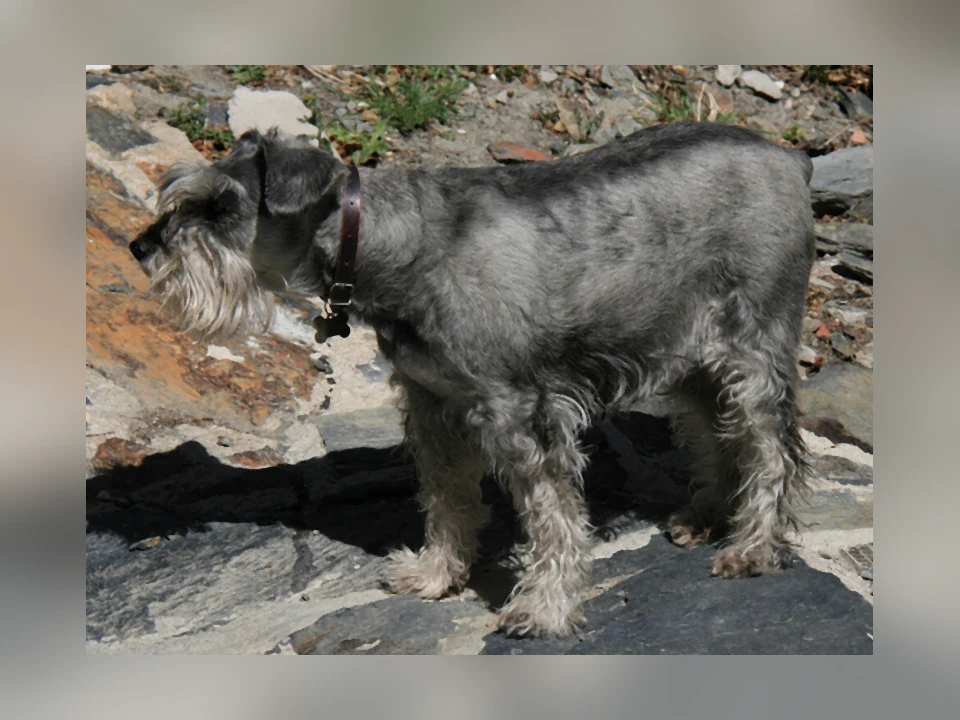
Standard Schnauzer dog in a natural setting

Care OS lens

Create a Standard Schnauzer care file

Fold this breed context into a printable PetGrit handoff with health-watch notes, body-shape cues, and questions for your next visit.

Build care file

Watch first

Sedentary households, owners wanting an off-leash-trustworthy or low-effort dog, people who can't provide mental stimulation, or anyone unwilling to hand-strip or pay for grooming.

Personalized next step

Create a Standard Schnauzer care brief

Carry this breed profile into a printable PetGrit report with health-watch notes, trait context, body-shape cues, and vet-visit questions.

Build care brief

The original schnauzer

The Standard Schnauzer is the foundation breed of the three schnauzers and the oldest of the trio. Developed in Germany as an all-purpose farm and working dog, it guarded property, dispatched rats, and accompanied its people to market—the famous beard and eyebrows aren’t just style, they protected the muzzle during ratting work. The Miniature and Giant Schnauzers are separate breeds derived around it; the Standard remains the medium-sized prototype, and it still behaves like the capable working dog it was bred to be.

Personality: clever, bold, and devoted

Standard Schnauzers are highly intelligent, spirited, and deeply loyal to their families. They’re confident, alert, and naturally protective, which makes them outstanding watchdogs, while at home they tend to be playful, affectionate, and a bit comedic. That brainpower comes with independence and a low tolerance for boredom: a Standard Schnauzer that isn’t given direction will find its own projects. Early, consistent socialization is important to channel the breed’s boldness and wariness of strangers into solid, discerning manners.

Daily life, exercise, and training

This is an active working breed that needs both physical exercise and mental engagement. Daily vigorous walks or runs plus training, dog sports, scent work, or puzzle games keep it balanced. They are very trainable—quick to learn and capable of real working roles—but they think for themselves, so reward-based, consistent training that respects their intelligence works far better than drilling or heavy-handedness. Bored Standard Schnauzers can become vocal and mischievous, so give the mind a job, not just the legs.

Grooming

The hard, wiry double coat is low-shedding, a major draw for many owners, but it is not low-effort. Traditionally the coat is hand-stripped every few months to preserve its harsh texture and color; clipping is easier but softens the coat over time. Either way, the beard, eyebrows, and leg furnishings need frequent brushing and cleaning—the beard in particular traps food and water. Routine nails, ears, and teeth round out the care.

Health: hips, heart, and eyes

Standard Schnauzers are generally healthy and notably long-lived for a medium breed, often 13 to 16 years, but a few documented conditions deserve attention. Hip dysplasia occurs and is screened by responsible breeders. The most important breed-specific concern is dilated cardiomyopathy: studies document a familial, likely autosomal-recessive form in the breed, sometimes with early onset, progressing to heart failure—so cardiac screening of breeding dogs genuinely matters. Eyes are the third area, with hereditary cataracts and progressive retinal atrophy both reported; annual eye exams in breeding stock help. Skin and follicular issues can also occur. Buy from breeders who test hips, heart, and eyes, and keep your dog lean and exercised.

Who this breed is for

The Standard Schnauzer is a great match for active, involved owners and families who want a smart, low-shedding companion and watchdog and will deliver daily exercise, training, and regular coat care. It rewards people who enjoy training and dog sports. It’s a poor fit for sedentary homes, for owners wanting a low-maintenance or hands-off dog, and for anyone who won’t keep its mind busy. Meet its needs and you get a versatile, devoted, long-lived dog that does exactly what schnauzers were built to do—work alongside their people.

Best for

Active, engaged owners and families who want a smart, low-shedding companion and watchdog, can provide daily exercise and training, and will commit to regular coat care.

Maybe not for

Sedentary households, owners wanting an off-leash-trustworthy or low-effort dog, people who can't provide mental stimulation, or anyone unwilling to hand-strip or pay for grooming.

Health to watch

Common in the breed — not a diagnosis. A good breeder screens for these, and your vet can guide prevention and early care.

  • Hip dysplasia — A hereditary malformation of the hip joint that leads to arthritis and pain. Severity varies; OFA or PennHIP screening of breeding stock and keeping the dog lean and fit reduce impact.
  • Dilated cardiomyopathy (DCM) — A familial, likely autosomal-recessive heart-muscle disease documented in Standard Schnauzers, sometimes with early onset (median diagnosis around 1.6 years in one case series) progressing to congestive heart failure. Cardiac screening of breeding dogs is important.
  • Hereditary cataracts — Inherited lens opacities can impair vision; breeding dogs should have annual ophthalmologist (CAER) eye exams to screen, and surgery can restore sight in some cases.
  • Progressive retinal atrophy (PRA) — Inherited retinal degeneration causing gradual vision loss; DNA and eye testing in breeding stock helps reduce incidence.
  • Follicular dermatitis / skin issues — Wiry-coated breeds can develop skin and follicular conditions and allergies; proper coat care and prompt attention to skin changes help manage them.

Sources

  • American Kennel Club – Standard Schnauzer Breed Standard & Profile — Origin, size, coat, and temperament
  • Standard Schnauzer Club of America – Health & Breeding — Recommended hip, cardiac, and eye testing
  • Lobetti et al., 'Dilated Cardiomyopathy in Standard Schnauzers: Retrospective Study of 15 Cases' (PubMed) — Familial DCM and early onset in the breed
  • Merck Veterinary Manual — Hip dysplasia, DCM, and cataract clinical background

Frequently asked questions

What's the difference between a Standard, Miniature, and Giant Schnauzer?

They are three separate breeds, not size variants of one. The Standard is the original and the medium-sized one; the Miniature was developed smaller largely as a companion and ratter, and the Giant was bred up as a working and drover's dog. They share the look and wiry coat but differ in size, history, and some temperament traits.

Do Standard Schnauzers shed?

Very little. Their wiry double coat sheds minimally, which appeals to many owners, but that comes with a grooming cost: the coat should be hand-stripped (or clipped, which softens the texture) every few months, and the beard and leg furnishings need frequent brushing and cleaning to avoid mats and trapped food.

Are Standard Schnauzers good family dogs?

Yes, for engaged families. They're loyal, playful, and protective, and they typically bond closely and do well with respectful older children. Their alert, sometimes bold nature means early socialization and training matter, and their energy and intelligence need a real outlet to prevent boredom-driven behavior.

How much exercise does a Standard Schnauzer need?

A good amount. As a working breed they thrive on daily vigorous walks or runs plus mental work—training, dog sports, puzzle games, or a real job. A bored, under-exercised Standard Schnauzer can become restless, vocal, and mischievous.

Similar breeds