PetGrit
Dogs breed Giant

Tibetan Mastiff

An ancient Himalayan guardian who decides for himself when the job needs doing — and rarely asks for your opinion.

independentaloof with strangersterritorialintelligentdevoted to familystubborn
Updated June 12, 2026 Reviewed against American Kennel Club
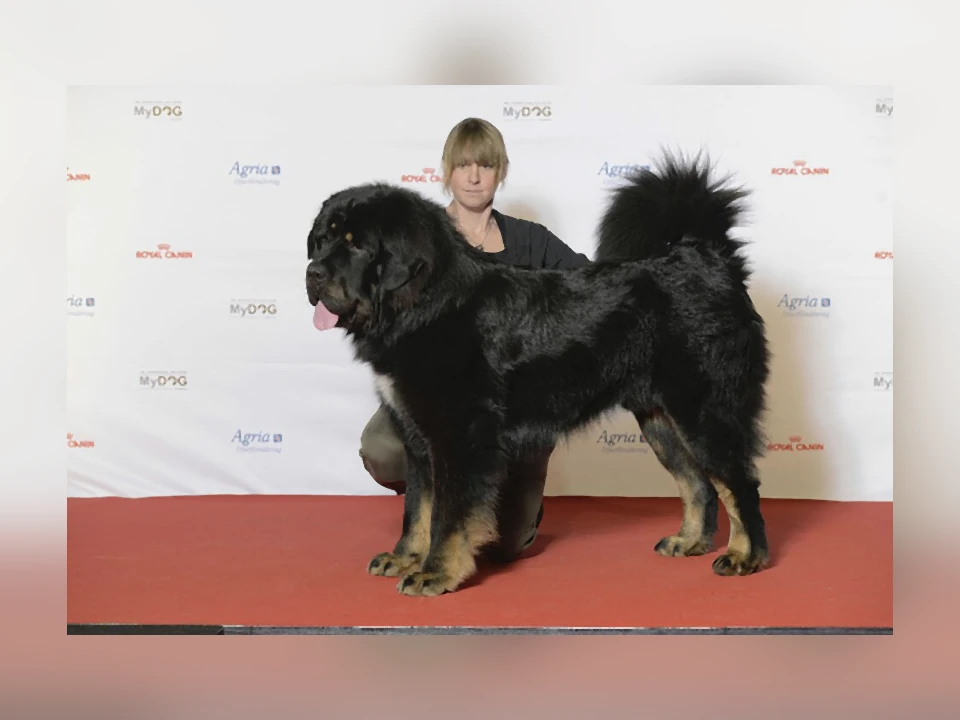
Tibetan Mastiff dog in a natural setting

Care OS lens

Create a Tibetan Mastiff care file

Fold this breed context into a printable PetGrit handoff with health-watch notes, body-shape cues, and questions for your next visit.

Build care file

Watch first

First-time owners, apartment dwellers, people who want an off-leash dog, those who can't tolerate nighttime barking, or anyone expecting prompt obedience.

Personalized next step

Create a Tibetan Mastiff care brief

Carry this breed profile into a printable PetGrit report with health-watch notes, trait context, body-shape cues, and vet-visit questions.

Build care brief

Origin

The Tibetan Mastiff is one of the oldest working breeds, developed over centuries to guard livestock, families, and monasteries across the high Himalayan plateau. This is a true primitive guardian — bred to think and act on its own without a shepherd nearby. That heritage explains almost everything about the modern dog: the independence, the territorial confidence, and the deep, booming voice that once warned off wolves and snow leopards.

Temperament & Daily Life

Let’s be honest: this is not a dog for everyone. A well-bred Tibetan Mastiff is calm, dignified, and intensely devoted to its own family, while remaining aloof and watchful toward strangers. They are intelligent but stubborn — they will weigh your request and decide whether it’s worth doing. Many are naturally nocturnal, patrolling and barking at night, which can strain relationships with neighbors. Early, consistent socialization is essential so their guarding instinct stays measured rather than indiscriminate.

Exercise & Training

Despite their size, Tibetan Mastiffs have moderate energy. A couple of leashed walks and a securely fenced area to survey usually meet their needs; they are guardians, not joggers. A tall, solid fence is mandatory — they roam, and recall is unreliable, so off-leash freedom is generally off the table. Training should start in puppyhood with patient, reward-based methods and realistic expectations. You are shaping a partner who guards on its own terms, not building a precision obedience dog.

Grooming

The heavy double coat needs weekly brushing most of the year, with daily attention during the annual spring shed when the woolly undercoat blows. They are surprisingly clean dogs with little doggy odor, but the mane and rear feathering mat without routine care.

Health

As a giant breed, the Tibetan Mastiff is prone to hip and elbow dysplasia, so insist on OFA or PennHIP hip clearances and OFA elbow clearances on both parents. Hypothyroidism is fairly common and very manageable with daily medication. The breed also carries Canine Inherited Demyelinating Neuropathy (CIDN), a rare inherited nerve disease that responsible DNA-informed breeding has greatly reduced. Like other deep-chested giants, they can suffer life-threatening bloat (GDV) — learn the warning signs and keep an emergency plan.

Who This Breed Suits

The Tibetan Mastiff is for the experienced owner with land, a strong fence, and respect for an independent guardian. If you want an obedient, off-leash, apartment-friendly companion, look elsewhere. If you want a majestic, loyal protector and you can meet it on its own terms, few breeds are more rewarding.

Best for

Experienced, confident owners who want a serious livestock-style guardian, have a securely fenced property, and respect an independent, free-thinking dog that guards on its own terms.

Maybe not for

First-time owners, apartment dwellers, people who want an off-leash dog, those who can't tolerate nighttime barking, or anyone expecting prompt obedience.

Health to watch

Common in the breed — not a diagnosis. A good breeder screens for these, and your vet can guide prevention and early care.

  • Hip and elbow dysplasia — Common in giant breeds; ask breeders for OFA or PennHIP hip and OFA elbow clearances on both parents.
  • Hypothyroidism — Fairly common in this breed; signs include weight gain, lethargy, and a poor coat. Managed well with daily thyroid medication.
  • Canine Inherited Demyelinating Neuropathy (CIDN) — A rare inherited nerve disease seen in puppies by about 6 weeks, causing progressive rear-limb weakness. Responsible breeding has greatly reduced its incidence.
  • Bloat / gastric dilatation-volvulus (GDV) — A deep-chested-dog emergency where the stomach twists. Learn the signs (unproductive retching, swollen belly) and know your nearest emergency vet.

Sources

  • American Kennel Club — Tibetan Mastiff Breed Standard & Information — Size, coat, and temperament standard
  • American Tibetan Mastiff Association (ATMA) — Breed-club health and temperament guidance
  • Merck Veterinary Manual — Hip dysplasia, hypothyroidism, and GDV references

Frequently asked questions

Are Tibetan Mastiffs good for first-time owners?

Generally no. Their independence, territorial guarding instinct, size, and resistance to formal obedience make them a poor match for a first dog. They reward experienced owners who understand primitive guardian breeds.

Do Tibetan Mastiffs bark a lot at night?

Many do. As traditional nighttime guardians, they are prone to patrolling and barking after dark. This is a serious consideration if you have close neighbors or noise restrictions.

How much exercise does a Tibetan Mastiff need?

Less than you'd expect for their size — a couple of daily walks and a securely fenced area to patrol usually suffice. They are not endurance athletes and can overheat in hot weather under their heavy coat.

Do Tibetan Mastiffs shed?

They shed moderately year-round and blow their heavy undercoat once a year, usually in spring, when daily brushing becomes necessary. Outside that period, weekly brushing keeps the coat manageable.

Similar breeds