Origins
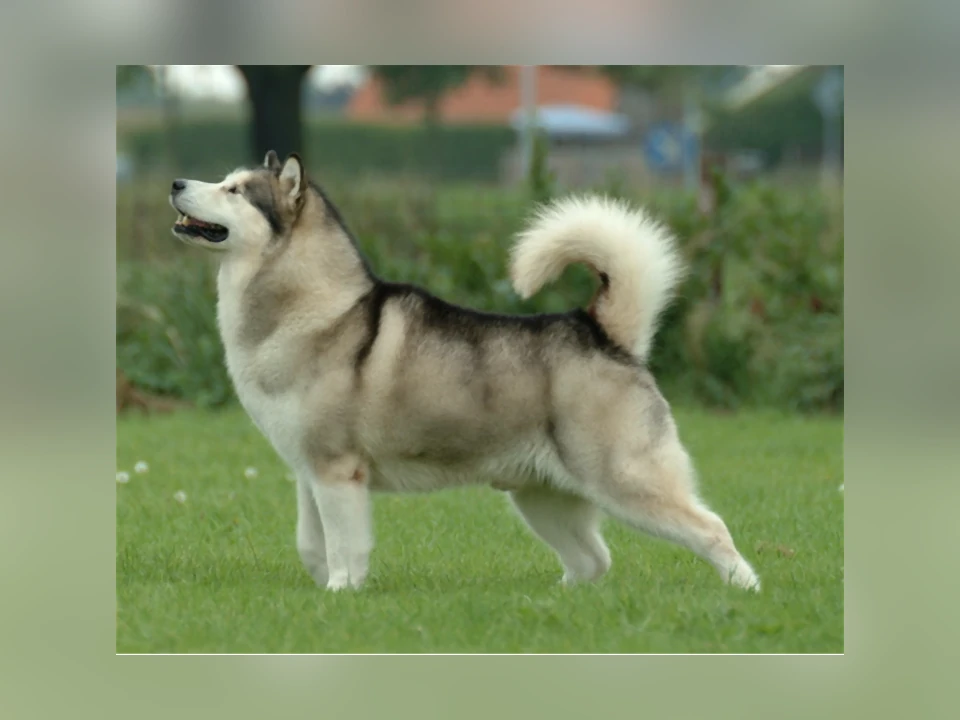
The Alaskan Malamute is one of the oldest Arctic sled dogs, developed by the Mahlemut people of northwestern Alaska to haul heavy freight across long distances in brutal cold. Unlike the faster, lighter Siberian Husky, the Malamute was bred for raw power and endurance — strength to move a load, not speed to win a race. That heritage shapes everything about the dog you live with today. The AKC recognized the breed in 1935.
Personality and daily life
Malamutes are affectionate, playful, and deeply people-oriented — they want to be part of the family, not left alone in a yard. They are also dignified, independent thinkers with a stubborn streak. A bored or under-exercised Malamute will dig, chew, and escape, often with impressive creativity. They tend to do well with respectful older children but should be supervised around small pets, because the prey drive that helped them survive the Arctic is still very much intact.
Exercise and training
This is a working dog and needs a job. Plan on at least an hour or two of real daily exercise — long walks, hiking, backpacking, or pulling activities like carting and skijoring, which the breed genuinely loves. Training requires patience and consistency: Malamutes are smart but not eager to please in the way a Border Collie is, so positive, motivating methods work far better than force. Reliable off-leash recall is rare; most owners keep them leashed or in secure fencing for life.
Grooming
The double coat is dramatic. Expect steady shedding year-round and two heavy ‘coat blows’ a year when the wooly undercoat comes out in clumps — weeks of daily brushing and a lot of vacuuming. The upside: the coat is largely self-cleaning and the breed has little doggy odor. Never shave a Malamute; the coat insulates against both cold and heat. Speaking of heat, this is a cold-weather breed at heart, and overheating is a real danger in warm climates.
Health
Malamutes are generally hardy, but there are inherited conditions worth taking seriously. Hip dysplasia is common enough that the parent club recommends hip evaluations on breeding dogs. The breed has a specific inherited nerve disease, polyneuropathy, that can appear in young dogs — there is a DNA test for it, so insist breeders screen. Chondrodysplasia (a form of dwarfism) is recessive and managed through careful pedigree selection. Inherited eye conditions, including cataracts and cone degeneration, are also seen, and hypothyroidism shows up in the breed. A responsible breeder will show you hip, eye, and polyneuropathy clearances on both parents — that paperwork is the single best predictor of a healthy puppy.
Who this breed is for
The Malamute rewards an experienced, active owner who lives somewhere cool, has secure fencing, and genuinely enjoys grooming and outdoor activity. It is a wonderful companion for the right person — and a frustrating, destructive handful for someone expecting an easy, obedient pet. Be honest with yourself about your lifestyle before you commit to fourteen years of one of the strongest dogs you’ll ever meet.