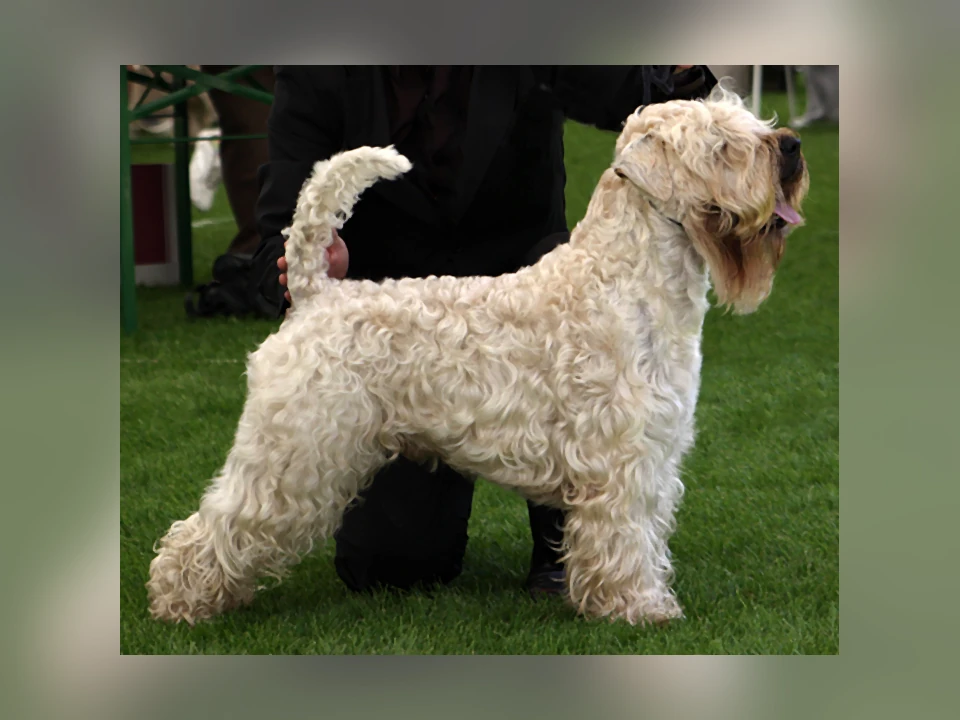
Meet the Soft Coated Wheaten Terrier (the happy Irish farm dog)
The Soft Coated Wheaten Terrier is the friendly face of the terrier world. Bred on Irish farms as an all-purpose worker—herding, guarding, and ridding the property of vermin—the “Wheaten” combines real terrier spirit with an unusually warm, people-loving disposition. Its most famous feature is the coat: a soft, silky, gently waving single coat in shades of wheaten, from pale beige to shimmering gold, that sets it apart from the harsh, wiry coats of most terriers. The American Kennel Club places the breed in the Terrier group, and a typical Wheaten weighs 30 to 40 pounds and stands about 17 to 19 inches at the shoulder.
Wheatens are medium-sized, sturdy, and athletic, with a square, balanced build and an expression that matches their sunny temperament. They’ve become popular family dogs precisely because they pair a fun, spirited terrier personality with genuine friendliness. As with every breed, individuals vary, and responsible breeding and socialization improve outcomes.
Personality and temperament
If many terriers are feisty and independent, the Wheaten is the warm, gregarious cousin. The breed is known for its “Wheaten greetin’“—an exuberant, jump-for-joy welcome—and for being happy, friendly, and deeply affectionate. Wheatens love their people, tend to greet strangers as friends, and generally get along well with children and other dogs when socialized early. That outgoing nature makes them poor guard dogs but excellent companions, and a reasonable choice for first-time owners who can keep up with the breed’s needs.
Underneath the friendliness, though, is still a terrier: spirited, lively, and capable of a stubborn, independent streak. Wheatens are smart and trainable but can be playfully willful, so they do best with patient, consistent, reward-based training and early socialization. Some retain a prey drive and a love of chasing, so a secure yard and a reliable leash are wise.
Living with a Wheaten
Wheatens are energetic, fun-loving dogs that need daily exercise—good walks, active play, and games that engage their minds. They thrive in active households and bond closely with their families, often disliking long stretches alone. They can adapt to apartment life if they get enough activity, but they’re happiest with room to romp and people to romp with. Their friendly, sociable temperament makes them a natural fit for busy family homes, provided everyone shares the workload of exercise and grooming.
Grooming and care
Here’s where the Wheaten asks a lot. That gorgeous soft, silky coat is low-shedding—a plus for many owners—but it mats readily and demands serious upkeep: brushing and combing most days to prevent tangles, plus regular trimming or professional grooming every few weeks. Neglect the routine and you’ll end up with painful mats that often require shaving down. Keep the facial furnishings clean (Wheatens can get messy beards), and round out care with regular nail trims, ear checks, and consistent dental care. In short, you’re trading shedding for grooming time, so be honest with yourself about that commitment before you commit to the breed.
Health (the honest part)
Wheatens are generally robust, but the breed carries serious inherited risks that belong front and center. The most significant are two protein-losing diseases: protein-losing nephropathy (PLN), in which the kidneys leak protein and the disease can progress to kidney failure, and protein-losing enteropathy (PLE), in which protein is lost through the gut, causing vomiting, diarrhea, and weight loss. These conditions are strongly associated with the breed, often occur together, and are a major reason to buy from a breeder who screens their lines and to ask your vet about periodic urine protein and blood monitoring so problems are caught early. Renal dysplasia, an abnormal kidney development, is part of the same renal-disease picture.
The breed is also prone to Addison’s disease (hypoadrenocorticism), a treatable but potentially life-threatening hormonal disorder with vague early signs, and to hip dysplasia, which reputable breeders screen for through programs like the Orthopedic Foundation for Animals. The best protection is a breeder committed to health testing and transparent about the diseases in their lines—or a reputable rescue that shares health history—paired with attentive, proactive veterinary care throughout your dog’s life.
Is a Soft Coated Wheaten Terrier right for you?
A Wheaten can be a wonderful family companion—happy, friendly, affectionate, and energetic, with enough terrier spark to keep life interesting and enough warmth to fit busy, social households and first-time owners. The honest trade-offs are the coat and the health. That silky coat is beautiful but genuinely high-maintenance, and the breed’s predisposition to serious protein-losing kidney and gut disease means you must choose your breeder carefully and stay on top of monitoring. If you want a low-grooming, low-worry dog, another breed may suit you better. But if you can commit to the brush and the bloodwork, the joyful, loving Wheaten will reward you many times over.