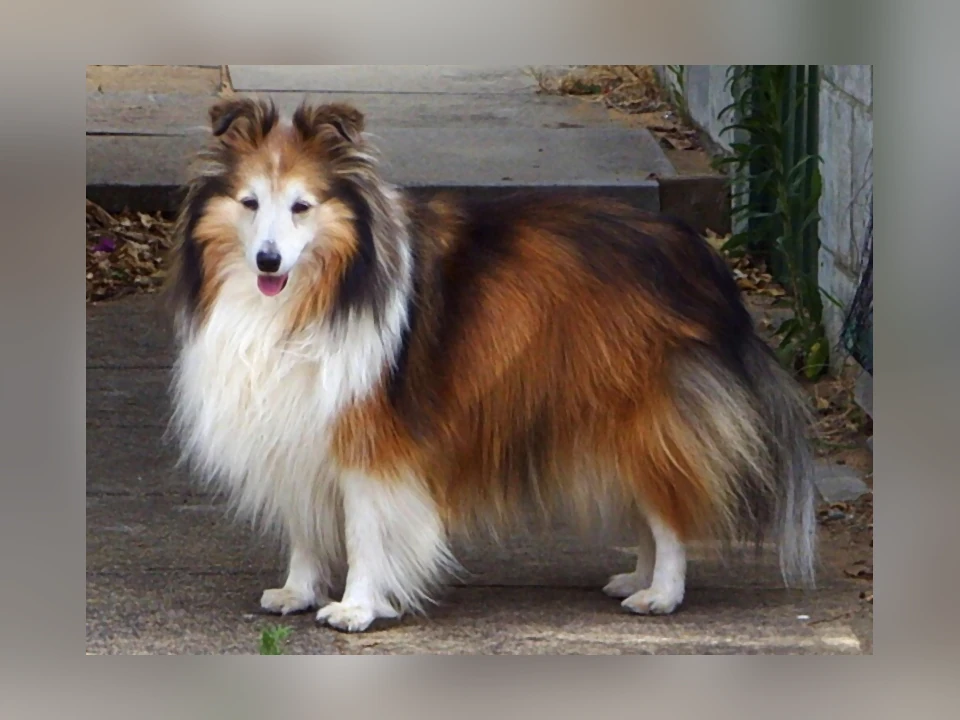
Meet the Shetland Sheepdog (the “Sheltie” — a small, brilliant herder, not a mini Collie)
The Shetland Sheepdog comes from the rugged Shetland Islands off the coast of Scotland, where small, hardy farm dogs worked livestock and guarded crofts in a harsh climate. The breed looks like a scaled-down Rough Collie, and the two share ancestry, but the Sheltie is its own distinct breed with its own size, standard, and story. It is not, despite the common assumption, simply a miniature Collie.
What you get is a compact, agile herder with a luxurious double coat, an expressive face, and a remarkable brain. Shelties are among the most trainable dogs in the world, and they form intense bonds with their families. Matched with an owner who values that intelligence and gives it an outlet, the Sheltie is a delight. Left understimulated, that same sharp mind can turn restless and vocal.
Personality & temperament
Shelties are highly intelligent, eager to please, and famously quick to learn, which is why they consistently shine in obedience, agility, rally, and trick training. They are also sensitive dogs who respond best to gentle, positive, consistent handling; harsh corrections tend to shut them down rather than motivate them. This is a soft, perceptive breed that reads your mood and thrives on partnership.
The flip side of that herding heritage is a strong watchdog streak. Shelties are typically reserved with strangers, not aggressive but cautious, and they bond deeply with their own people. They also tend to be vocal: alerting to visitors, sounds, and movement is hardwired, and many Shelties will herd by circling or nipping at running children, bikes, or other pets. Early, thorough socialization softens the wariness, and channeling the chatter early matters, so it helps to understand why dogs bark so much before it becomes a habit.
Living with a Sheltie
A Sheltie needs both physical exercise and genuine mental work. Plan on a good daily walk or two plus active play, and then add the part that really keeps this breed happy: training, puzzle feeders, scent games, or a dog sport. Shelties were bred to think and respond, and a dog with a job is a calm, contented dog. Without that engagement, boredom often shows up as barking, pacing, or anxious behavior.
Because they bond so closely, Shelties can struggle when left alone for long stretches. If you see distress signals when you leave, it’s worth reading up on separation anxiety in dogs and building independence gradually. And there’s no avoiding the coat: Shelties shed heavily, especially during seasonal coat blows, so plan a brushing routine and review our guide to managing dog shedding before the fur takes over your home. None of this makes them hard dogs; it simply means the breed rewards owners who show up daily.
Grooming & care
The Sheltie’s glory is its long, dense double coat, and that coat asks for regular work. Brush thoroughly at least once or twice a week, and more often during spring and fall shedding seasons, working all the way down to the skin to prevent mats behind the ears, under the legs, and around the “skirts” and “mane.” A consistent routine keeps the coat healthy and the shedding manageable.
Never shave a Sheltie. The double coat insulates against both heat and cold and protects the skin, and shaving can permanently change how it grows back. Beyond brushing, care is routine: regular nail trims, dental hygiene, ear checks, and baths only as needed. Because the thick coat hides body condition, run your hands over your dog regularly to keep tabs on weight and skin.
Health
Shelties are generally healthy, long-lived dogs, but the breed carries several inherited conditions that informed owners and ethical breeders take seriously.
The most important breed-specific concern is the MDR1 gene variant (multidrug sensitivity), found in herding breeds including the Sheltie, which changes how the body processes certain medications such as some dewormers, sedatives, and chemotherapy drugs. A simple test, pioneered by Washington State University, tells your vet which drugs to avoid or dose carefully. Tell every veterinarian you see that your dog is a Shetland Sheepdog.
Other conditions to know:
- Eye conditions — collie eye anomaly and progressive retinal atrophy (PRA) both occur in the breed, which is why responsible breeders perform annual veterinary eye exams.
- Hip dysplasia — a joint malformation that leads to pain and arthritis; choose parents screened through the OFA.
- Dermatomyositis — an inherited skin and muscle disease seen in some lines, which careful breeders work to avoid.
- Hypothyroidism — an underactive thyroid is relatively common and can affect coat, weight, and energy; it’s diagnosed and managed by your vet.
- von Willebrand disease — an inherited bleeding disorder that DNA testing can screen for before breeding.
Whether you buy or adopt, look for health-tested parents with OFA hip and eye clearances and relevant DNA results, including MDR1. Individual dogs vary, and responsible breeding plus regular veterinary care stack the odds in your favor.
Is a Sheltie right for you?
A Shetland Sheepdog is a wonderful dog for the owner who wants a brilliant, devoted, trainable companion and is ready to meet its needs. If you enjoy training, want a partner for dog sports, and like a dog that’s deeply tuned in to family life, few breeds are more rewarding, and the Sheltie’s manageable size makes it a great fit for many homes, including first-time owners willing to put in the work.
Just go in clear-eyed about the trade-offs. Shelties shed a great deal, they bark more than many breeds, and they genuinely need mental work to be happy. Accept the brushing, channel the barking, and give that sharp mind a job, and you’ll have a loyal, joyful, eager-to-please dog at your side for years.