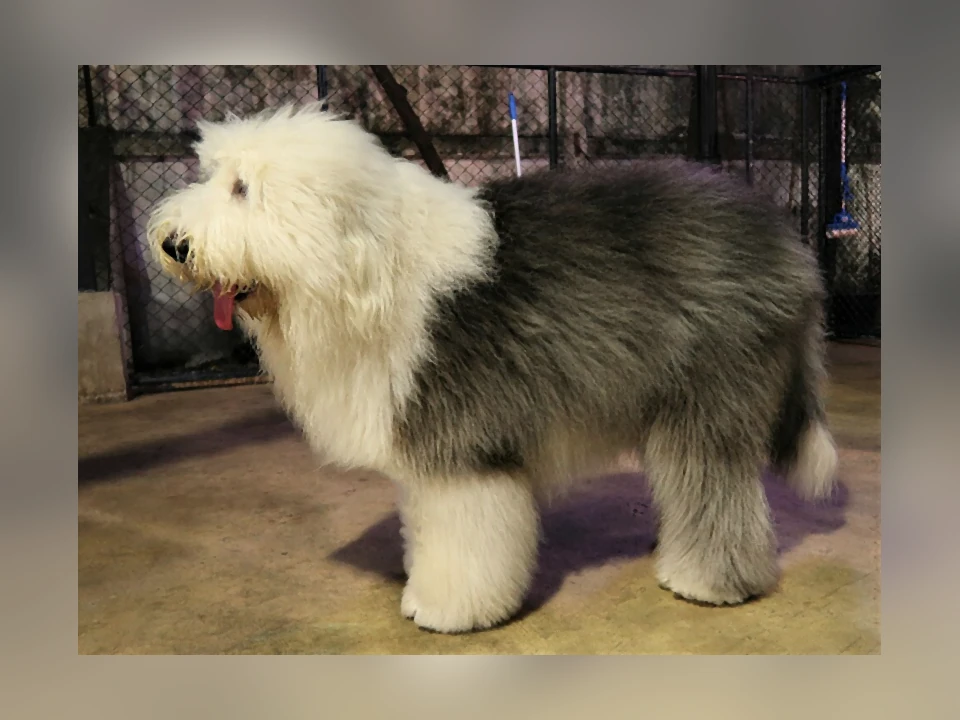
Meet the Old English Sheepdog (the shaggy, gentle giant)
The Old English Sheepdog (OES) is an English herding and drovers’ breed, developed to move sheep and cattle to market in the country’s west. Despite the name, it isn’t especially old as breeds go, but it is unmistakable: a large, square, shaggy dog with a profuse double coat, a distinctive ambling or “bear-like” gait, and a docked or naturally bobbed tail that earned it the nickname “Bobtail.” Adults weigh 60 to 100 pounds and carry that famous coat over a sturdy, athletic frame.
Beneath all that hair is one of the most good-natured, easygoing dogs in the herding group—provided you can keep up with the coat.
Personality & temperament
Old English Sheepdogs are gentle, friendly, and adaptable. They are devoted to their families, typically excellent with children, and often clownish and playful, keeping a puppyish sense of humor well into adulthood. As a herding breed they are intelligent and can be independent thinkers, and some retain a tendency to gently herd people or other pets.
They are sociable dogs that want to be part of family life and don’t thrive when isolated for long periods. Early socialization and consistent, positive training bring out a well-mannered companion; their size and exuberance make basic manners important. Individual temperament varies with breeding and upbringing.
Exercise & training needs
The OES has moderate energy—more than a lap dog, less than a Border Collie. Plan on daily walks plus play and some training or herding-style activities to keep that working mind engaged. They enjoy having a job and do well in obedience, agility, and herding trials. Because of the heavy coat, be mindful of heat and exercise during cooler parts of the day. A reasonable daily routine keeps them happy and prevents bored, mischievous behavior.
Grooming & care
This is where the breed asks the most. The profuse double coat mats with astonishing speed and needs thorough brushing several times a week—realistically a few hours weekly—to stay healthy and comfortable. Many owners choose to keep the coat clipped short, which is far more practical for a pet and means professional grooming every one to two months. Keep the hair around the eyes and rear clean, dry the coat thoroughly after baths to prevent skin issues, and stay on top of nails and dental care. Grooming is not optional with this breed; a neglected coat becomes painful.
Health
The OES typically lives 10 to 12 years and shares the health risks of large breeds along with a few inherited conditions. Hip dysplasia is a concern, so look for OFA- or PennHIP-screened parents and keep your dog lean. Hypothyroidism appears in the breed and is easily managed once diagnosed. Inherited eye disease—progressive retinal atrophy and cataracts—makes regular eye exams and DNA testing of breeding stock worthwhile. The breed can also carry primary ciliary dyskinesia (PCD), a rare disorder causing chronic respiratory and ear infections from puppyhood. And as a deep-chested large breed, the OES is at risk of gastric dilatation-volvulus (bloat), a true emergency—learn the signs and act fast.
Responsible breeding is the best protection. Choose a breeder who health-tests parent dogs for hips, eyes, and thyroid, or adopt from a reputable rescue.
Is an Old English Sheepdog right for you?
An Old English Sheepdog can be a wonderful family companion—gentle, funny, devoted, and endlessly lovable. The honest catch is the coat: this breed demands either many hours of brushing each week or a commitment to regular professional clipping, plus daily exercise and companionship. If you welcome that grooming routine and want a big, sweet-natured dog in the middle of family life, the OES delivers. If grooming time or budget is tight, or you live somewhere very hot, a lower-maintenance breed will serve you both better.