PetGrit
Cats breed Medium

Bombay

A panther in miniature, jet-black, copper-eyed, and far more of a lap cat than its wild looks suggest.

affectionatepeople-orientedplayfuladaptablesocialwarmth-seeking
Updated June 12, 2026 Reviewed against Cat Fanciers' Association (CFA) - Bombay breed profile
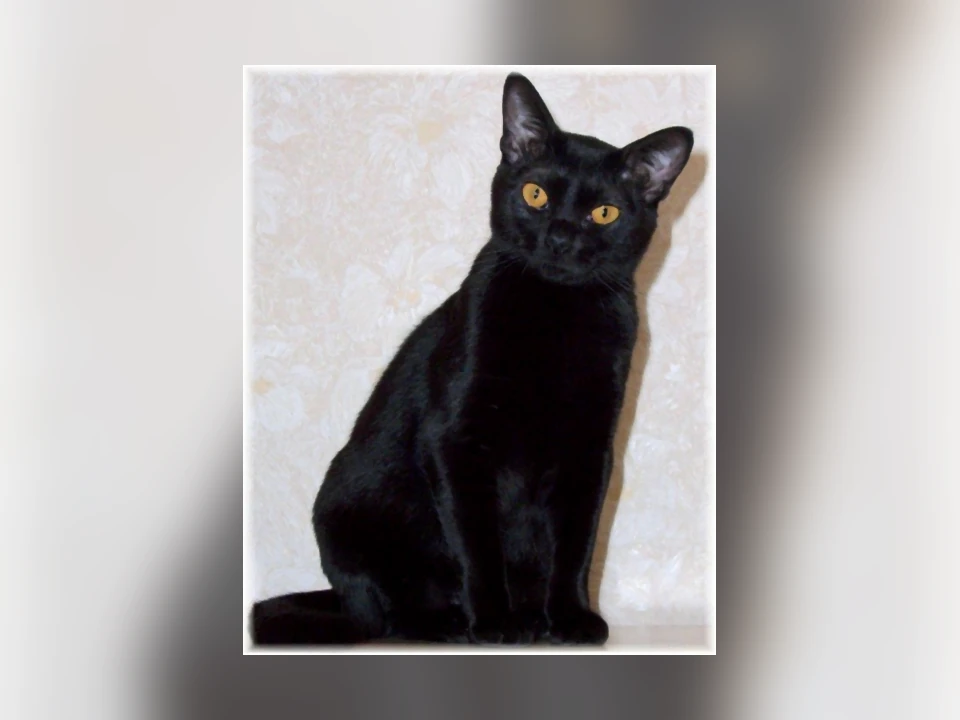
Bombay cat in a natural setting

Care OS lens

Create a Bombay care file

Fold this breed context into a printable PetGrit handoff with health-watch notes, body-shape cues, and questions for your next visit.

Build care file

Watch first

Households away long hours or wanting an aloof, independent cat. Bombays form intense attachments and don't cope well with long isolation. Heat- or breathing-sensitive owners should also note the breed's Burmese-derived flatter face.

Personalized next step

Create a Bombay care brief

Carry this breed profile into a printable PetGrit report with health-watch notes, trait context, body-shape cues, and vet-visit questions.

Build care brief

Origins

The Bombay is an American creation from the 1950s, when a Kentucky breeder set out to make a domestic cat that looked like a miniature black panther. By crossing sable Burmese with black American Shorthairs, she produced a sleek, solid-black cat with glowing copper eyes and a coat so close and shiny it’s often described as patent leather. The breed name evokes the black leopards of India. Today CFA and TICA recognize the Bombay, and its Burmese heritage shows in both its rounded head type and its famously affectionate personality.

Personality and daily life

Don’t let the panther looks fool you, the Bombay is one of the most people-oriented cats around. They seek out laps, follow their humans from room to room, greet visitors, and want to be involved in family life. Many will tuck under the covers with you; they’re notable heat-seekers. They’re playful and clever well into adulthood, often enjoying fetch and puzzle toys, and they generally get along with children, other cats, and cat-friendly dogs.

The trade-off for all that devotion is that Bombays bond intensely and don’t enjoy being left alone for long. A Bombay in an empty house all day is an unhappy Bombay.

Exercise and training

Energy is moderate, this is a cat that plays in bursts and then seeks a warm lap. Daily interactive play keeps them fit and engaged, and their intelligence makes tricks and leash training realistic. Because they’re food-motivated and not hugely active, watch portions carefully.

Grooming

About as low-effort as cats get. The short, single coat needs only a weekly wipe with a soft cloth or grooming glove to lift loose hair and polish that signature sheen. Keep up with nail trims, dental care, and, given the Burmese-influenced face, gentle eye cleaning if any tear staining appears.

Health

The Bombay’s Burmese ancestry shapes its health profile. Hypertrophic cardiomyopathy (HCM) is the leading concern; it’s the most common feline heart disease and a recognized issue in Burmese-derived breeds, so look for breeders who echocardiogram-screen their breeding cats. The breed’s shorter, flatter muzzle (a brachycephalic trait from the Burmese) can mean noisy breathing, eye and tear-duct discharge, and reduced heat tolerance in some cats. There’s also a serious, lethal congenital craniofacial malformation known as the Burmese head defect associated with certain contour Burmese lines, responsible breeders avoid carriers, so ask about lineage. Finally, Bombays gain weight easily, and obesity worsens both cardiac and joint risk, so portion control and play matter more than their easygoing nature suggests.

Who they’re best for

The Bombay is ideal for someone who actively wants a velcro cat, a sociable, affectionate companion for families, seniors, and even first-time owners, provided there’s company during the day. It’s a poor match for long-empty homes or anyone hoping for an aloof, independent cat. Give a Bombay attention, a warm spot, and a sensible diet, and you’ll have a gleaming little panther that’s devoted to the bone.

Best for

Owners who want a deeply affectionate, sociable companion that craves attention and lap time; good for families, seniors, and first-time cat owners with someone around for company.

Maybe not for

Households away long hours or wanting an aloof, independent cat. Bombays form intense attachments and don't cope well with long isolation. Heat- or breathing-sensitive owners should also note the breed's Burmese-derived flatter face.

Health to watch

Common in the breed — not a diagnosis. A good breeder screens for these, and your vet can guide prevention and early care.

  • Hypertrophic cardiomyopathy (HCM) — The most common feline heart disease and a recognized concern in Burmese-derived breeds like the Bombay. Echocardiogram screening of breeding cats matters; signs may be silent until advanced.
  • Brachycephalic / craniofacial traits — Bombays inherit the Burmese's shorter, flatter muzzle, which in some individuals contributes to noisy breathing, tear-duct/eye discharge, and reduced heat tolerance.
  • Obesity — Their food motivation and modest activity make weight gain easy; excess weight compounds heart and joint risk. Portion control and play are key.
  • Burmese head defect (contour lines) — A lethal congenital craniofacial malformation tied to certain contour Burmese lines; reputable breeders avoid carriers. Ask about lineage and screening.

Sources

  • Cat Fanciers' Association (CFA) - Bombay breed profile — Origin, coat, and standard
  • The International Cat Association (TICA) - Bombay breed — Breed recognition and description
  • Cornell University College of Veterinary Medicine - feline HCM — Heart disease background
  • PangoVet veterinary-reviewed Bombay health overview — Breed-associated health concerns

Frequently asked questions

Are all-black cats hard to photograph or bad luck?

Neither is true. The bad-luck idea is pure superstition. Bombays are loving family cats; they can be tricky to photograph because of their solid black coat, but good lighting and their copper eyes solve that.

Is the Bombay just a black domestic shorthair?

No. The Bombay is a deliberate breed developed from Burmese and black American Shorthair stock to resemble a panther. It has a specific build, that lacquered single-coat sheen, and the Burmese-influenced personality and head type.

Do Bombays need a lot of grooming?

Very little. The short, close coat needs only a weekly rubdown with a soft cloth or hand to remove loose hair and bring up the shine, plus standard nails, teeth, and ears.

Are Bombays good for first-time owners?

Often yes. They're affectionate, adaptable, and sociable. The main caution is that they bond hard and don't like being alone for long, so they suit homes where someone is around or another pet keeps them company.

Similar breeds