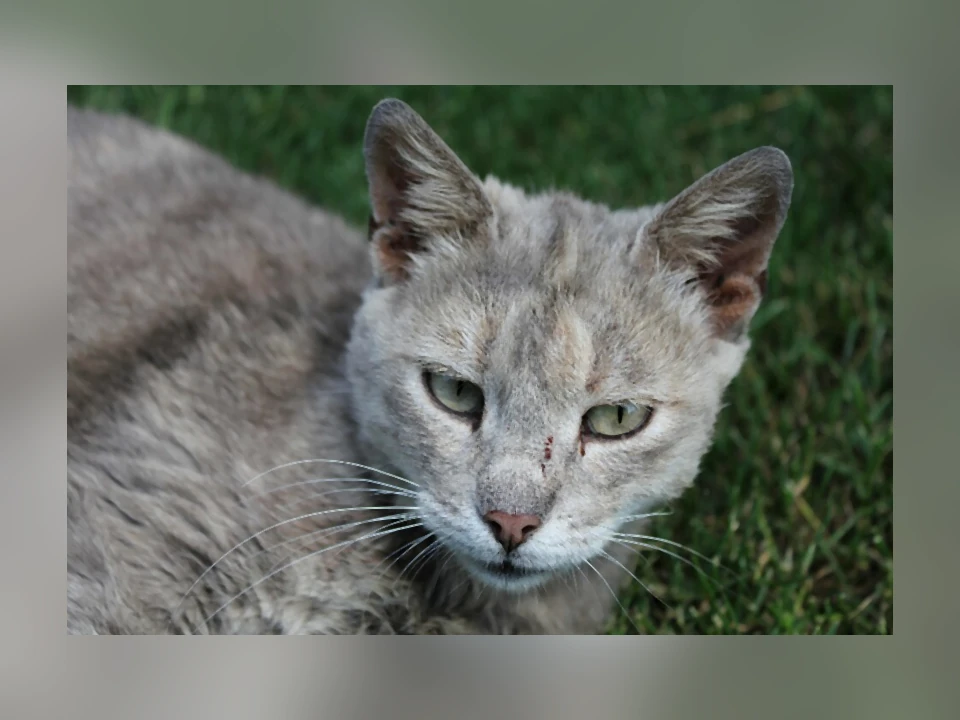
Meet the Domestic Shorthair (the everyday cat)
If you’ve ever had a cat, there’s a good chance it was a Domestic Shorthair — even if no one ever called it that. Here’s the honest truth most breed guides bury in the fine print: the Domestic Shorthair is not a formal breed at all. There’s no registry standard, no defining ancestry, and no breeder pedigree. It’s simply a short-coated cat of mixed, unknown heritage — the kind affectionately known as a moggie.
These are the everyday cats, the ones who make up the large majority of pet cats worldwide. Think of the Domestic Shorthair as the “mutt” of the cat world: a delightful genetic grab-bag rather than a carefully engineered line. And like mixed-breed dogs, that diversity tends to come with hybrid vigor — a broad gene pool that often spreads health risk thinner than the concentrated bloodlines behind some pedigrees.
Because there’s no standard, you’ll find Domestic Shorthairs in every color, pattern, and build imaginable: tabbies, tuxedos, calicos, gingers, tortoiseshells, solid blacks, and everything between. Two kittens from the same litter can grow up looking — and acting — completely different.
Personality and temperament
This is where honesty matters most. With a pedigree cat, breeders select for temperament, so you can make a reasonable guess about how a kitten will turn out. With a Domestic Shorthair, you can’t. Personality here is hugely variable, individual to individual.
Some are bold, talkative, and into everything. Others are quiet, reserved lap cats. You’ll find playful clowns, dignified loners, velcro cuddlers, and independent spirits — sometimes within the same household. The label tells you almost nothing about the cat inside it.
That unpredictability is part of the charm, but set your expectations accordingly. The best way to find a Domestic Shorthair who fits your home is to meet the actual cat — ideally an adult or older kitten whose personality has already emerged — rather than relying on the “breed” to forecast behavior. A good shelter or foster can describe a specific cat’s quirks far better than any generalization ever could.
Living with a Domestic Shorthair
For most people, this cat is wonderfully easy to live with. Domestic Shorthairs are famously adaptable — they settle into apartments, busy family homes, and quiet single households alike, which makes them a great pick for first-time owners.
Their needs are the universal needs of any cat: a clean litter box, fresh water, safe spaces to retreat, and plenty of enrichment. Daily interactive play — a wand toy, a feather, a few minutes of chasing — does more for a cat’s wellbeing than people often realize. Vertical space (cat trees, window perches), scratching posts, and a little novelty keep them mentally engaged and out of trouble.
Feeding is the one area where good habits pay off for life. Free-feeding a bowl that’s always full is the fastest route to a chunky cat, so portion meals to your cat’s actual needs. Our guide on how much to feed a cat walks through measuring portions and reading body condition so you can keep your cat trim from the start.
Grooming and care
Here the Domestic Shorthair shines: that short, dense coat is genuinely low-maintenance. A weekly brush removes loose hair, cuts down on shedding around the house, and reduces hairballs — but it’s a nicety, not a necessity. Most of these cats keep themselves immaculate. Shedding is moderate and seasonal; grooming demands are about as low as cat care gets.
Routine care rounds out the picture: keep nails trimmed, glance in the ears now and then, and don’t overlook the mouth. Dental disease is one of the most common problems vets see in cats of every background, and it often hides in plain sight. Brushing your cat’s teeth — even a few times a week — makes a real difference; our cat dental care guide covers how to start and what to watch for.
Health
Thanks to their genetic diversity, Domestic Shorthairs are generally healthier than many pedigreed cats, with fewer of the inherited conditions that get concentrated in narrow bloodlines. Many live well into their teens. That’s a real advantage — but “generally healthier” is not “trouble-free.” They still face the common feline issues, and prevention is everything.
The big ones to stay ahead of:
- Obesity — the most common preventable health problem in pet cats, and a driver of diabetes, joint trouble, and a shorter life. Measure meals and check body condition regularly.
- Dental disease — extremely common by middle age, and painful when ignored.
- FLUTD and urinary problems — lower urinary tract disease is frequent in cats. Straining, frequent trips to the box, or blood in the urine warrant a vet visit, and a male cat who can’t urinate is a true emergency. The cat urinary problems (FLUTD) guide explains the warning signs.
- Chronic kidney disease — a leading concern in senior cats. Annual bloodwork after about age seven helps catch it early, when it’s most manageable.
The foundation under all of it: spay or neuter, keep core vaccines current, stay on parasite control, and see your veterinarian for routine checkups. According to authorities like the Cornell Feline Health Center and International Cat Care, this kind of preventive care is what keeps the average house cat healthy for a long, full life.
Is a Domestic Shorthair right for you?
For most people, the answer is a happy yes. A Domestic Shorthair is one of the most rewarding cats you can bring home: low-grooming, adaptable, often very healthy, and far more affordable than a pedigree — both up front and, frequently, in lifetime vet bills.
There’s one more thing in their favor that no breed can match. Shelters are full of wonderful Domestic Shorthairs waiting for homes, so adopting one literally saves a life. The ASPCA and shelters everywhere can match you with a cat whose personality you can actually meet first.
The only real caveat is the flip side of their charm: you can’t predict exactly what you’ll get. The kitten in the window might grow into a 14-pound lap blanket or a sleek, aloof athlete — and either way, you won’t know until they get there. If you can embrace that surprise, the everyday cat may be the best companion you’ll ever choose.