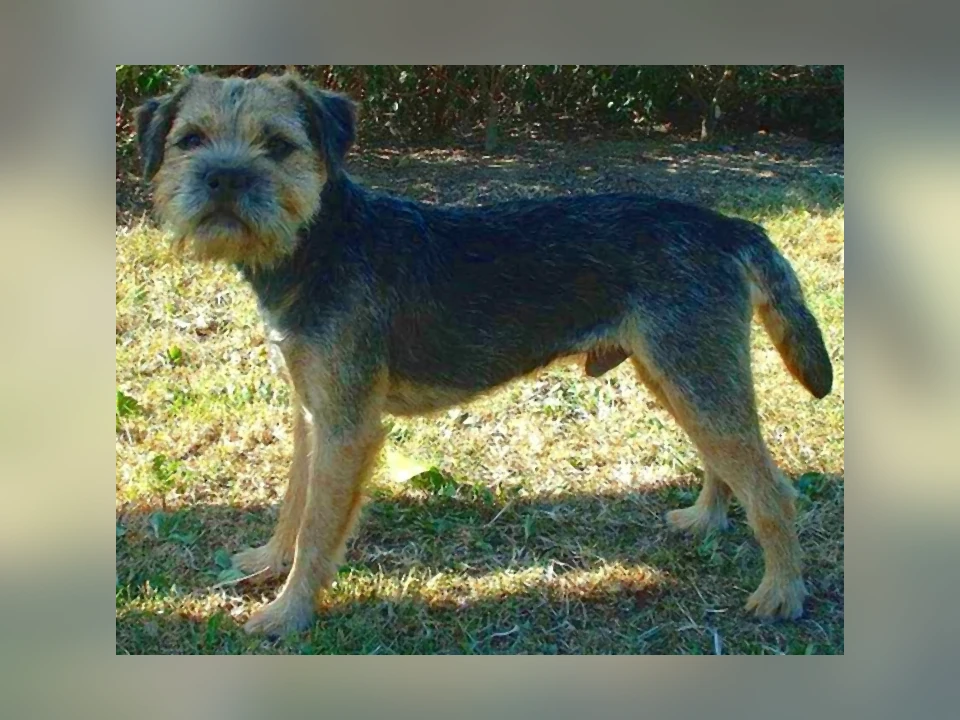
Meet the Border Terrier (the hardy little hunt companion)
The Border Terrier is, in many ways, the working terrier distilled to its practical essence. Bred in the hilly border country between England and Scotland to bolt foxes from their dens during hunts, it needed legs long enough to keep up with horses and hounds yet a body small and flexible enough to follow quarry underground. That dual purpose shaped a tough, agile, no-frills dog with an unmistakable “otter-shaped” head, a dense weather-resistant coat, and an even, biddable temperament that set it apart from flashier terriers. The American Kennel Club places it in the Terrier group, and a typical Border weighs around 11.5 to 15.5 pounds and stands about 10 to 11 inches at the shoulder.
Don’t let the modest size or scruffy charm fool you: this is an athletic, hardy dog with real stamina and a working brain. Borders are often praised as one of the most agreeable and trainable terriers, which—combined with their hardiness—has made them beloved family companions. As with every breed, individuals vary, and responsible breeding and socialization improve outcomes.
Personality and temperament
The Border Terrier’s temperament is its calling card. Affectionate, even-tempered, and good-natured, Borders tend to be less scrappy and more people-oriented than many of their terrier cousins, which makes them wonderful family dogs and a sensible choice for first-time owners. They’re typically friendly with people, tolerant with respectful children, and usually sociable with other dogs.
They’re also notably trainable for a terrier—smart, willing, and responsive to short, upbeat, reward-based sessions—though they keep a healthy dose of terrier independence and determination. The working instincts are intact: Borders love to dig, have a strong prey drive, and can be talented escape artists who will squeeze through or under fences in pursuit of something interesting. A securely fenced yard, a reliable leash, and an outlet for that drive (nose work, fetch, terrier sports) keep them happy and well-behaved.
Living with a Border Terrier
Borders are energetic dogs that need genuine daily exercise—brisk walks, active play, and mental challenges. Bred to work all day, they have more stamina than their size suggests, and an under-exercised Border will often dig, bark, or try to escape out of sheer boredom. They bond closely with their families and generally don’t love being left alone for long stretches. They can adapt to apartment living if their exercise and companionship needs are fully met, but they truly thrive in active homes that include them in the action. Their strong prey drive makes cats and small caged pets a poor match.
Grooming and care
The Border’s harsh, dense, wiry double coat is practical and relatively easy to live with. Weekly brushing keeps it tidy, and the harsh texture is traditionally maintained by hand-stripping a couple of times a year, which removes dead coat and preserves its weatherproof quality; some pet owners clip instead, though clipping softens the coat over time. The breed sheds modestly. Round out care with regular nail trims, ear checks, and consistent dental care, since small breeds are prone to tartar and gum disease. Keep your Border lean to support its active lifestyle and joints.
Health
Border Terriers are widely regarded as one of the hardier, longer-lived terrier breeds, frequently reaching 12 to 15 years—but no breed is without risks. The most distinctive is canine epileptoid cramping syndrome (CECS), sometimes called “Spike’s disease,” a breed-associated disorder that causes episodes of muscle cramping, tremor, or trouble moving. The episodes pass, are often linked to diet, and many affected dogs improve markedly with dietary changes and veterinary guidance. Beyond that, the breed sees hip dysplasia (worth screening despite the breed’s relatively sound build), heart murmurs and inherited cardiac disease, juvenile cataracts and other inherited eye conditions, and patellar luxation as in many small dogs.
The best protection is good breeding and good care. Choose a breeder who screens hips, has eyes examined by a veterinary ophthalmologist, obtains cardiac clearances, and is candid about CECS and other issues in their lines—or adopt from a reputable rescue that shares health history. Pair that with routine veterinary care, weight management, and plenty of exercise, and you give your Border the best shot at the long, sound life the breed is known for.
Is a Border Terrier right for you?
A Border Terrier is one of the easiest terriers to recommend: friendly, even-tempered, trainable, hardy, and long-lived, with the heart of a genuine working dog. It’s a superb fit for active individuals and families—including first-time owners—who can meet its real exercise needs and provide secure containment for a determined digger and chaser. The honest caveats are that high energy and that working drive: this is not a placid lap dog, and homes with cats or small pets, or owners who are away all day or prefer a couch potato, should look elsewhere. But give a Border the activity, companionship, and thoughtful breeding it deserves, and you’ll have an affectionate, sturdy, good-humored friend for many years.