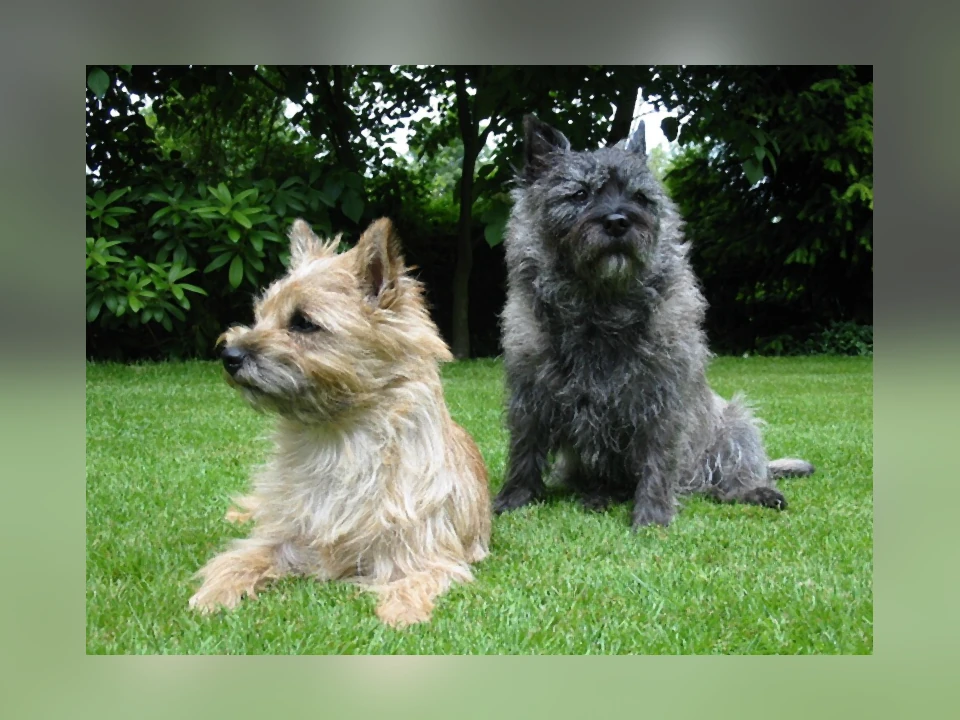
Meet the Cairn Terrier (the cheerful little Highland worker)
Small, shaggy, and endlessly busy, the Cairn Terrier is one of Scotland’s oldest working terriers—and one of its most charming. The breed takes its name from the cairns, the piles of stones used as landmarks and gravesites across the Highlands, where these dogs were bred to bolt foxes and other vermin from rocky dens. To do that job, a Cairn had to be fearless, agile, and persistent, with a weather-resistant coat tough enough to shrug off Scottish wind and rain. Modern audiences know the breed best as Toto from “The Wizard of Oz,” but behind that famous face is a genuine working terrier. The American Kennel Club places it in the Terrier group.
Cairns are compact, typically weighing around 13 to 14 pounds and standing about 10 inches at the shoulder. They’re built to be hardy and natural-looking rather than fussy, and that practical, sturdy character carries through to their temperament. As with every breed, individuals vary, and responsible breeding and good socialization improve outcomes.
Personality and temperament
If there’s one word for the Cairn Terrier, it’s “merry.” These are cheerful, fearless, curious dogs that approach life with enthusiasm and seem to stay puppyish well into their senior years. They’re affectionate and people-oriented, happiest when they’re part of the action, and they tend to be friendlier and more outgoing than some of their more reserved terrier cousins. That sociability, combined with their sturdy build, is why they make such engaging family dogs and good companions for first-time owners.
That said, this is still very much a terrier. Cairns are intelligent and trainable but independent, with the breed’s characteristic streak of stubbornness. They have a strong prey drive, love to dig, and will bark to alert you to anything interesting. Training works best when it’s short, positive, reward-based, and fun—make it a game and a Cairn will rise to the occasion.
Living with a Cairn
Cairns are adaptable and thrive in apartments or houses as long as they get enough activity. Their energy is on the higher side for a small dog: daily walks plus play, games, and some mental work keep them satisfied and out of mischief. They generally do well with respectful children and other dogs when socialized early, but their hunting instincts make small caged pets a risky match.
Two practical realities come straight from the breed’s working past. First, Cairns dig—give them a sanctioned outlet or expect surprises in the garden. Second, that prey drive means a securely fenced yard and a reliable leash are essential; a Cairn that spots a squirrel may take off, and recall can fail when instinct takes over. Channel their energy into nose work, fetch, or terrier-friendly sports, and you’ll have a happier, better-behaved dog.
Grooming and care
The Cairn’s harsh, weather-resistant double coat is meant to look shaggy and natural, which makes it relatively easy to live with. Regular brushing a few times a week prevents mats, and the harsh texture is best maintained by hand-stripping; many pet owners opt for tidying clips instead. The coat sheds modestly. Round out care with regular nail trims, ear checks, and consistent dental care, since small breeds are prone to tartar and gum disease. Keep your Cairn lean to protect its joints.
Health
Cairn Terriers are generally healthy and often live 13 to 15 years, but the breed carries a handful of inherited conditions worth understanding. Portosystemic shunt—an abnormal blood vessel that bypasses the liver—occurs in the breed; affected puppies may grow slowly or show neurologic signs, and many cases are surgically correctable when caught early. Orthopedic issues include patellar luxation (a slipping kneecap) and Legg-Calvé-Perthes disease (a hip problem in young small-breed dogs). The breed is also associated with globoid cell leukodystrophy (Krabbe disease), a rare inherited neurologic disorder for which a DNA test exists, and with ocular melanosis and glaucoma, an eye condition that can raise eye pressure in older dogs. Von Willebrand disease, an inherited clotting disorder, also appears.
The best protection is good breeding. Choose a breeder who DNA-tests for the inherited diseases that have screening tests, evaluates hips, knees, and eyes through programs like the Orthopedic Foundation for Animals, and is candid about their lines—or adopt from a reputable rescue that shares health history. Routine veterinary care, weight management, and periodic eye checks as your Cairn ages round out a sensible plan.
Is a Cairn Terrier right for you?
A Cairn Terrier is a hardy, cheerful, fearless little companion that brings genuine joy and adventure to active households—including families and first-time owners willing to embrace its terrier character. The honest trade-offs are real: strong digging and prey-drive instincts, a tendency to bark, and an independent mind that needs patient, positive training. If you want a calm, quiet, low-prey-drive dog, another breed may suit you better. But give a Cairn enough exercise, a secure setup, and a thoughtful breeder or rescue, and you’ll have a sturdy, fun-loving friend for many years.