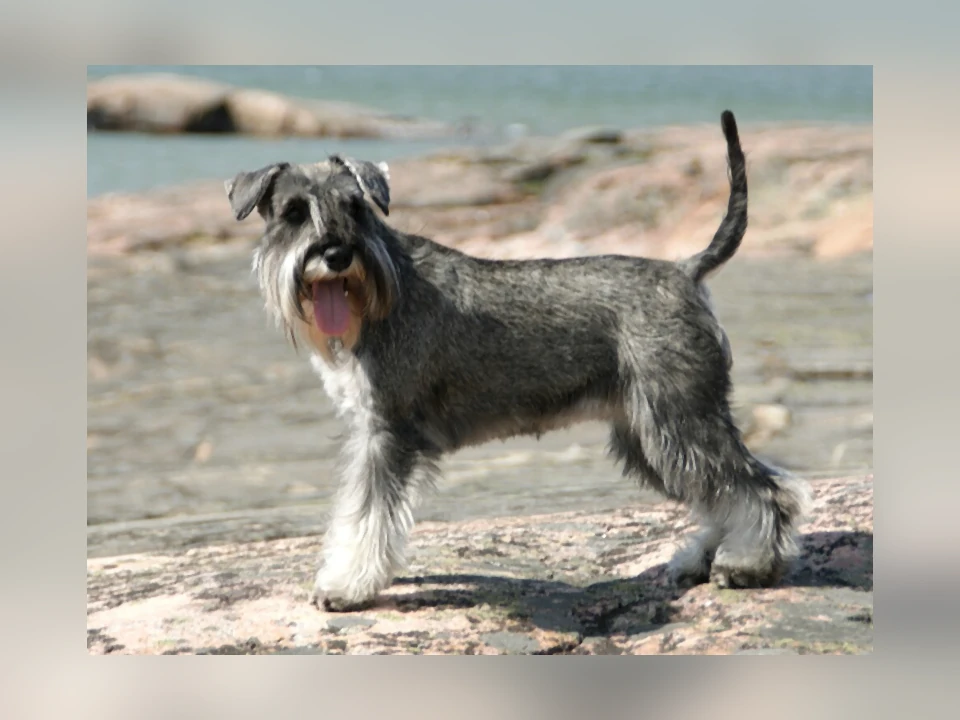
Meet the Miniature Schnauzer (spunky, bearded, low-shedding terrier)
Few dogs are as instantly recognizable as the Miniature Schnauzer. With its bushy eyebrows, wiry beard, and confident stance, this small German terrier looks like a wise old man in a compact, sturdy body. Developed in Germany as a smaller version of the Standard Schnauzer—originally a farm ratter—the breed combines terrier grit with a surprisingly affectionate, people-loving streak.
Belonging to the Terrier group, the Mini Schnauzer typically weighs 11 to 20 pounds and stands about 12 to 14 inches tall. One of its biggest selling points is that wiry double coat: it sheds very little, which is part of why the breed is so popular with people who want a low-shedding companion. Just remember that low shedding does not mean low maintenance—the coat trades vacuuming for regular trips to the groomer.
Personality & temperament
Mini Schnauzers are smart, lively, and endlessly curious. Bred to work, they are alert and make excellent little watchdogs, quick to announce anyone approaching the door. That alertness has a flip side: many are naturally vocal, and without guidance they can become nuisance barkers. Early, consistent training and plenty of mental stimulation go a long way—if barking becomes a problem, our guide on why dogs bark so much can help you understand and manage it.
Beyond the watchdog instincts, these are genuinely friendly, affectionate dogs that thrive on being part of the family. They are intelligent and eager to please, which makes them quite trainable—they often do well in obedience and even agility. Like many terriers, they can show a stubborn or feisty streak, so positive, reward-based training works best. Individual personalities vary, and a dog’s upbringing, socialization, and breeding all shape how it turns out.
Living with a Mini Schnauzer
This breed adapts well to many lifestyles. They have moderate-to-high energy and need a couple of good walks plus some playtime each day, but they are small enough to thrive in apartments as long as their exercise and mental needs are met. They are devoted to their people and generally good with children and other dogs when socialized early, making them a strong family choice.
The Mini Schnauzer’s low-shedding coat is a real perk for households tired of fur on the furniture. The trade-off is grooming: that wiry coat needs clipping or hand-stripping every four to eight weeks to keep its texture and signature look. Skip the schedule and the coat quickly turns shaggy and matted. Factor professional grooming costs into your budget before bringing one home.
Grooming & care
The wiry double coat is the defining care challenge of the breed. Pet owners usually have their Schnauzer professionally clipped, while show dogs are hand-stripped to preserve the harsh coat texture—either way, plan on a groomer every four to eight weeks. Between appointments, brush a few times a week to prevent mats, and clean the beard regularly since it traps food and water.
Don’t overlook dental care. Like most small breeds, Mini Schnauzers are prone to tartar buildup and gum disease, which can affect their overall health. Daily tooth brushing and routine veterinary cleanings make a real difference; see our dog dental care guide for a practical routine. Keep nails trimmed and ears clean, and check the eyes for any cloudiness or discharge.
Health
Mini Schnauzers are generally hardy and often live 12 to 15 years, but the breed carries some specific risks worth understanding. The most important is a genetic tendency toward high blood triglycerides and pancreatitis. These dogs do not handle fatty foods well, and a single rich, greasy treat can trigger a painful flare-up. Keep fatty table scraps and high-fat foods away, and learn which human foods are safe for dogs before you share anything from your plate.
The breed is also predisposed to bladder and kidney stones, so watch for straining to urinate, frequent urination, or blood in the urine, and talk to your vet about a stone-preventive diet if needed. Middle-aged and senior dogs can develop diabetes mellitus; increased thirst and urination are early warning signs. Eye conditions such as cataracts also appear in the breed, which is why responsible breeders screen their dogs. And as noted above, dental disease is common and deserves ongoing attention.
The best protection is good breeding. Choose a breeder who health-tests parent dogs—OFA and CAER eye certifications are the standard—or adopt from a reputable rescue that shares health history. Maintaining a healthy weight matters too, since extra pounds compound the risk of both pancreatitis and diabetes.
Is a Mini Schnauzer right for you?
A Miniature Schnauzer can be a wonderful, low-shedding family companion: smart, affectionate, sturdy, and adaptable to apartment or house life. The breed rewards owners who are ready to commit to two things—regular professional grooming and a disciplined, low-fat diet. Get those right, and you’ll have a spirited, loyal little dog with a personality far bigger than its size. If you can’t keep up with grooming every few weeks or resist sharing fatty snacks, another breed may suit you better. As always, individual dogs vary, and adopting or buying responsibly gives you the best shot at a healthy, happy companion.