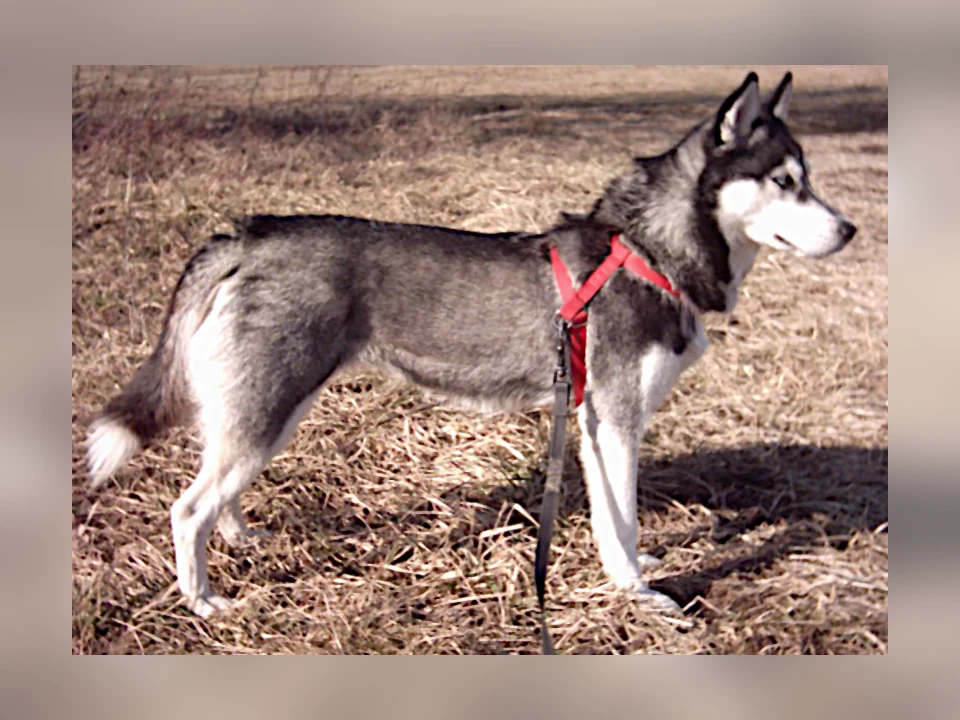
Meet the Siberian Husky
Few breeds turn heads like the Siberian Husky. With its wolfish good looks, plush coat, and those famously pale-blue (or brown, or one of each) eyes, it’s one of the most recognizable dogs in the world. But the Husky is far more than a pretty face. Developed by the Chukchi people of northeastern Siberia to haul light loads across vast distances in brutal cold, this is a true working sled dog — bred for endurance, efficiency, and the ability to keep going long after other dogs would quit.
The American Kennel Club places the Siberian Husky in the Working group, and that history shapes everything about living with one. These are medium-sized, athletic, almost tireless dogs with an independent mind and a deep-seated urge to move. Get a Husky into the right active home and you have a joyful, sociable, stunning companion. Bring one into a home that can’t meet its needs, and you’ll quickly understand why Huskies are among the most frequently surrendered breeds in shelters and rescues across the country.
Personality and temperament
If you want a dog that adores everyone, a Husky delivers. They are famously friendly and outgoing — typically warm even toward strangers — which makes them delightful company but also makes them just about useless as guard dogs. Don’t expect a Husky to protect your home; it’s more likely to invite the intruder in for a tour.
They are also mischievous, clever, and endlessly entertaining. Many Huskies are remarkably vocal, “talking” in dramatic howls, yodels, and grumbles rather than barking much. Underneath the charm runs a strong independent streak: Huskies were bred to think for themselves on the trail, and that translates into a dog that is stubborn and often selectively deaf to commands. They also carry a powerful prey drive, which can spell trouble for cats, rabbits, and small pets. Early socialization and patient, reward-based training help enormously, but no amount of training turns a Husky into a biddable, eager-to-please obedience star — that’s simply not who they are.
Living with a Husky
This is where honesty matters most. The Siberian Husky has very high exercise needs, full stop. A short walk around the block will not cut it. Plan on substantial daily activity — running, hiking, skijoring, bikejoring, or hours of vigorous play — to satisfy a body built for marathon effort. A Husky whose energy goes unspent doesn’t just get restless; it becomes genuinely destructive, shredding furniture, emptying trash, and “redecorating” your yard with deep holes.
Two more realities define this breed. First, the Husky is a notorious escape artist with unreliable off-leash recall. They climb fences, dig under them, slip leashes, and bolt out open doors — and once running, they may not come back. Secure, tall fencing (ideally with a dig barrier) and a strict leash policy in any unfenced space are non-negotiable. Second, this is an arctic dog that overheats easily and cannot tolerate heat well. In warm weather, exercise in the cool of early morning or evening, provide constant shade and water, and learn the signs of heatstroke and what to do.
It all adds up to a sobering pattern: bored, under-exercised, or under-contained Huskies are exactly the dogs that end up in rescue. Huskies also dislike being left alone for long stretches and can struggle with separation anxiety, which often fuels the very destruction that gets them surrendered. Going in clear-eyed about all of this is the kindest thing a prospective owner can do.
Grooming and care
The Husky’s gorgeous double coat is built for the Arctic, and it comes with a cost. Expect steady shedding year-round, and twice a year that coat “blows” — the dense undercoat releases in clumps over a few weeks, leaving fur on every surface you own. Regular brushing keeps it manageable and helps the coat do its insulating job; our guide on managing dog shedding covers the tools and routines that actually help.
Beyond the coat, Huskies are relatively low-maintenance. They are naturally clean, often grooming themselves cat-like, and rarely need baths. Never shave a Husky — the double coat regulates temperature in both cold and heat, and shaving can do real harm. Round out care with routine nail trims, dental care, and regular ear checks.
Health
Siberian Huskies are generally a hardy, healthy breed with a respectable lifespan, in part because they were bred for function over extreme looks. That said, several conditions deserve attention. The breed is prone to eye problems — including cataracts, corneal dystrophy, and progressive retinal atrophy (PRA) — so responsible breeders perform annual eye exams (CERF/OFA) on their breeding dogs. Hip dysplasia occurs too, though less often than in larger breeds, making OFA hip screening worthwhile. Huskies can also develop hypothyroidism, a treatable hormonal condition, and zinc-responsive dermatosis, a breed-associated skin issue that responds to dietary zinc under veterinary guidance.
The single best protection is choosing a breeder who health-tests both parents, or adopting and budgeting for proactive veterinary care. Every dog is an individual, and good genetics paired with attentive care — guided by trusted references like the Merck Veterinary Manual and AAHA — stack the odds in your favor.
Is a Husky right for you?
Be honest with yourself before you fall for those eyes. A Siberian Husky is gorgeous, friendly, funny, and genuinely rewarding — for the right owner. That owner is active, experienced, and able to provide serious daily exercise, truly secure containment, and patience with an independent, talkative, shedding-prone dog. In a home like that, a Husky thrives.
This is not a first-time or casual dog. If you want an easygoing, off-leash, low-shedding, obedient companion, the Husky will frustrate you on every count — and that mismatch is precisely how so many wonderful Huskies end up needing new homes. If you can meet the breed where it is, consider a health-testing breeder or one of the many Huskies waiting in breed-specific rescue. Either way, go in knowing exactly what this remarkable dog asks of you.