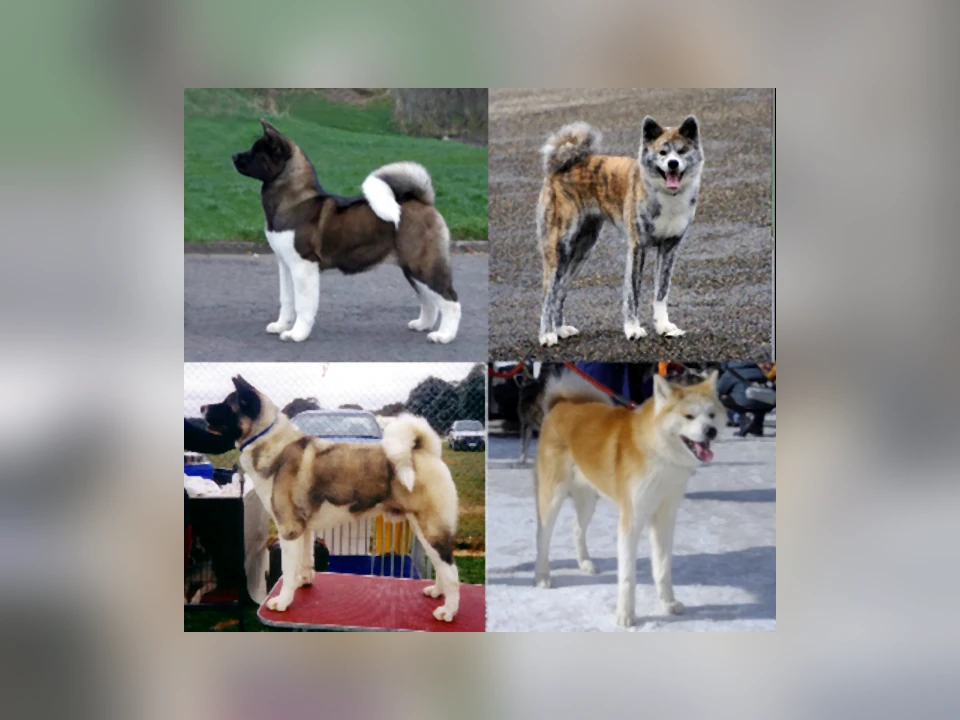
Meet the Akita
The Akita is a large, powerful spitz-type dog from the mountainous Akita Prefecture in northern Japan, where it was historically bred to hunt large game such as boar and bear and to serve as a fearless guardian. Everything about the breed reads as substance and dignity: a broad head, small triangular eyes, erect ears, and a plush curled tail carried over the back. An Akita moves with a deliberate, confident bearing that suits its reputation as one of Japan’s most revered dogs.
For most people, though, the Akita is inseparable from one story. Hachikō, an Akita in 1920s Tokyo, walked his owner to the train station each morning and returned to meet him each evening. After his owner died at work and never returned, Hachikō kept coming back to that station to wait—every day for nearly a decade. That loyalty is more than folklore; it captures something real about the breed. An Akita’s devotion to its family runs deep, and so does the responsibility of earning it.
Personality & temperament
At their best, Akitas are loyal, courageous, and quietly affectionate with their own people—often described as dignified rather than demonstrative. They tend to be reserved and aloof with strangers rather than friendly and outgoing, and they’re alert, watchful guardians by nature. Inside the home, many are calm, clean, and almost cat-like, content to keep an eye on the household and stay close to the people they trust.
The harder truths matter just as much. Akitas commonly show dog-aggression—especially toward dogs of the same sex—and they carry a strong prey drive that can make them unsafe around small animals. These are not flaws of a “bad” individual; they’re long-standing breed tendencies that responsible owners plan around. Because of this, heavy, early, ongoing socialization is essential, and even a well-raised Akita should be managed rather than assumed to be reliably dog-friendly. Off-leash dog parks are usually a bad fit.
To be candid: this is not a beginner’s dog. The Akita is intelligent but independent and strong-willed, and its size, strength, and guarding instincts raise the stakes well beyond those of an average pet. Individuals do vary—genetics, early socialization, and how a dog is raised shape adult temperament far more than the breed label alone—but the breed as a whole asks for real experience and commitment.
Living with an Akita
Akitas are moderately active. They appreciate a couple of good daily walks and some structured play or training, but they aren’t tireless endurance athletes, and many are calm and undemanding indoors once their needs are met. What they truly require is secure containment: solid fencing and reliable leash control, both because of their prey drive and because their interactions with strange dogs can’t be left to chance.
Training is what makes everything else possible. Use firm, respectful, consistent, positive-reinforcement methods—Akitas respond to fair leadership and tend to shut down or grow distrustful under harsh handling. They’re capable but not eager to please in the way a retriever is, so progress rewards patience over pressure. Start socialization early and keep it going throughout the dog’s life.
Many Akitas do best as the only pet, and same-sex pairings in particular are often a recipe for conflict. Homes with cats or small animals should be cautious given the breed’s prey drive. None of this means an Akita can’t be a wonderful companion—it means the household has to be built around the dog’s nature. For all these reasons, the Akita is genuinely not a breed for novices.
Grooming & care
The Akita wears a thick, plush double coat that sheds steadily year-round and then “blows” heavily—dropping its undercoat in dramatic seasonal sheds, usually twice a year. During those weeks you’ll find tufts of fluff everywhere; expect to brush several times a week, and daily during a blow, to stay ahead of it. Our guide on managing dog shedding covers tools and routines that help. Bathe occasionally; the coat is otherwise fairly self-cleaning.
Beyond coat care, stick to the basics every dog needs: regular nail trims, ear checks, and routine teeth brushing, since dental disease is common and often overlooked. Keep an eye on the skin, as the breed is prone to immune-related skin problems that are easier to address when caught early.
Health
Akitas are generally sturdy, but the breed carries some specific health risks that committed owners should understand up front. Buying from a breeder who health-tests both parents is the single best thing you can do to improve your odds.
- Hip and elbow dysplasia. Like most large breeds, Akitas are prone to joint malformation. Ask to see OFA or PennHIP clearances on the sire and dam.
- Bloat / GDV. As a large, deep-chested breed, the Akita faces an elevated risk of gastric dilatation-volvulus, a true emergency. Learn the signs—restlessness, a distended belly, unproductive retching—and act fast; our dog bloat & GDV guide explains what to do.
- Autoimmune disease. The breed is notably predisposed to immune-mediated conditions, including VKH (uveodermatologic syndrome, which affects the eyes and skin), pemphigus, and sebaceous adenitis. These need veterinary diagnosis and ongoing management.
- Hypothyroidism. An underactive thyroid can cause weight gain, coat changes, and lethargy; it’s diagnosed with bloodwork and managed with daily medication.
- Anesthesia and drug sensitivity. Akitas can react adversely to certain anesthetics and some immune-mediated drug reactions, so always tell your vet the breed before any procedure.
Skin and coat problems linked to the breed’s immune system are also worth watching; if your dog develops persistent itching or skin trouble, our guide on dog allergies can help you sort out next steps with your vet. Consult your veterinarian for screening and prevention tailored to your individual dog.
Is an Akita right for you?
An Akita is a magnificent, deeply loyal guardian for the right person and a poor fit for the wrong one. If you’re an experienced, committed owner who will socialize early, train patiently, provide secure containment, and accept that your dog may need to be the only pet, you’ll be rewarded with one of the most devoted companions in the dog world.
If you’re a first-time owner, have a multi-dog or multi-pet household, want a sociable dog-park regular, or aren’t prepared to manage dog-aggression and prey drive for the dog’s whole life, this isn’t your breed—and being honest with yourself now is far kinder than rehoming later. Whether you go to a responsible, health-testing breeder or adopt through a breed-specific rescue, prioritize health clearances and honest temperament information over looks. Get the foundation right, and an Akita will return your investment with years of quiet, unwavering loyalty.