Origins
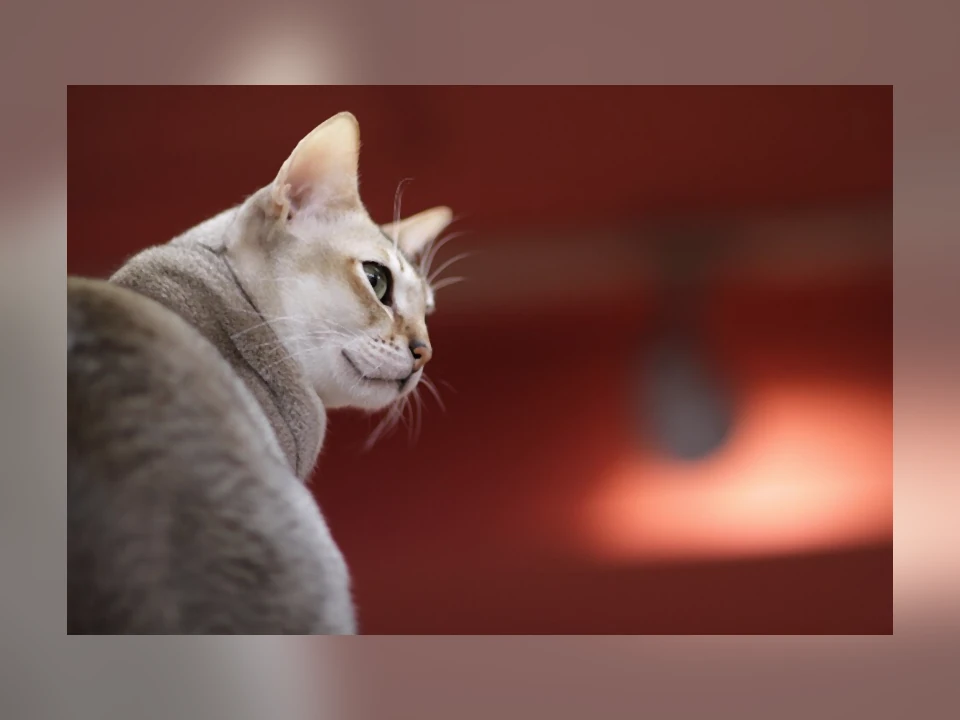
The Singapura is one of the world’s smallest cat breeds, with a name borrowed from the Malay word for Singapore, where the founding cats lived (street cats sometimes nicknamed “drain cats”). The breed was developed and refined in the United States from the 1970s. Its history was later questioned, but the Cat Fanciers’ Association investigated and concluded there was no wrongdoing, keeping the Singapura’s status as a natural breed. The look is unmistakable: a tiny, muscular cat with outsized eyes and ears and a single recognized color, a warm sepia agouti (ticked) coat where each hair is banded dark-light-dark.
Personality and daily life
What the Singapura lacks in size it makes up for in personality. These are bold, curious, mischievous extroverts that want to be part of everything, perched on a shoulder, investigating a cupboard, or supervising your keyboard. They’re deeply affectionate and people-oriented, often staying playful and kitten-like for life. They’re not especially loud, communicating with soft voices, but they’re very engaged and don’t enjoy being left alone for long. Their small size and warm nature make them excellent apartment companions.
Exercise and training
Energy runs high in this little body. Provide cat trees, shelves, and daily interactive play to satisfy their curiosity and athleticism, they’re surprisingly good jumpers. Bright and food-motivated, they take readily to fetch, tricks, and clicker training. A second cat or cat-friendly dog can be good company in working households.
Grooming
Grooming could hardly be simpler. The short, fine, close-lying coat sheds very little and needs no more than an occasional wipe with a soft cloth or grooming glove. Add the usual nail trims, dental care, and ear checks. Because of their thin coat and warm-climate origins, Singapuras appreciate cozy spots and don’t love the cold.
Health
Two specific items and one structural caution define the Singapura’s health picture. Pyruvate kinase deficiency (PKDef) is an inherited enzyme defect that causes hemolytic anemia; it’s DNA-testable, and responsible breeders screen their breeding cats, many affected cats live reasonably normal lives, but knowing the status matters. Female Singapuras also have an elevated rate of uterine inertia, meaning some cannot deliver kittens without veterinary help and may need a Caesarean section, a concern chiefly for those with intact breeding females. Underlying both is the breed’s notably low genetic diversity; DNA studies rank the Singapura (alongside the Burmese) among the least diverse breeds, which generally raises inherited-disease risk and makes choosing a careful, health-testing breeder especially important.
Who they’re best for
The Singapura is perfect for someone who wants a small, interactive, perpetually playful companion and can offer attention, climbing space, and warmth, an excellent apartment cat for engaged owners. It’s a poor match for those wanting an independent cat, homes empty all day, or households with rough handling that could endanger such a small animal. Pick a PKDef-tested breeder, keep your Singapura warm and busy, and you’ll have a tiny, devoted dynamo at the center of your home.