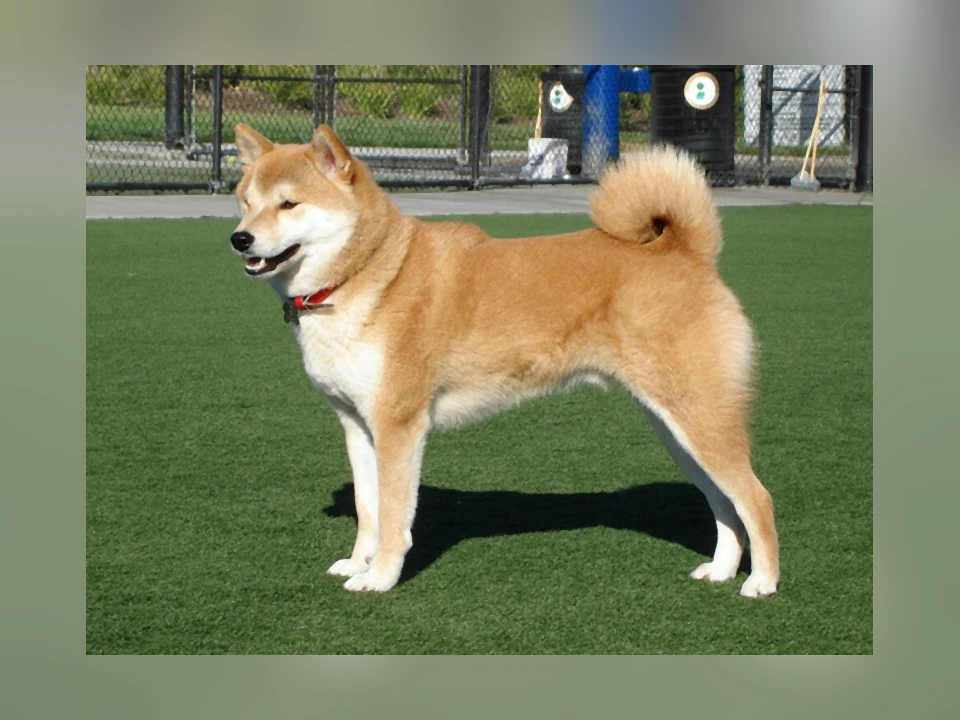
Meet the Shiba Inu
The Shiba Inu is the smallest of Japan’s native dogs and arguably the most famous — even if you don’t know the name, you’ve almost certainly seen the face. With its fox-like muzzle, pricked ears, curled tail, and slightly suspicious side-eye, the Shiba is the breed behind the internet’s beloved “doge” meme and the symbol of the Dogecoin cryptocurrency. Behind the memes sits an ancient and dignified animal: a true spitz developed in Japan’s mountainous regions to flush birds and small game, with roots stretching back thousands of years.
The American Kennel Club places the Shiba in the Non-sporting group, and the breed nearly vanished after World War II before careful preservation efforts rebuilt it from a handful of regional lines. The result is a compact, sturdy, agile dog with an unmistakable air of self-confidence. As with any breed, individual Shibas vary widely in temperament and energy, and responsible breeding or adoption from a reputable rescue makes a real difference in both health and personality.
Personality & temperament
If one word defines the Shiba, it’s independent. This is a bold, alert, self-possessed dog that bonds deeply with its family yet rarely fawns over them. Shiba owners almost universally describe their dogs as “catlike,” and the comparison is apt: Shibas are fastidiously clean, often grooming themselves, tend to be reserved with strangers, and dole out affection on their own terms rather than on demand. They are loyal — but loyal is not the same as eager to please.
That independence shapes everything. Shibas are smart and perfectly capable of learning, but they question why they should, which makes them stubborn in training and famously selective about recall. They also have a strong prey drive inherited from their hunting past, so squirrels, cats, and small pets can trigger a single-minded chase. And then there’s the drama. The breed is known for the “Shiba scream” — a piercing, almost human shriek of protest during nail trims, baths, or anything else the Shiba objects to. It can be startling, but it’s usually theater, not distress. While Shibas aren’t typically nuisance barkers, that vocal flair is worth understanding; our guide on why dogs vocalize and bark so much covers humane ways to work with a dramatic dog rather than against it.
Living with a Shiba
Here’s where honesty matters most. The Shiba Inu is a notorious escape artist with unreliable off-leash recall, and pretending otherwise gets dogs lost or killed. Driven by curiosity and prey drive, a Shiba will bolt through an open door, slip a loose leash, and chase a scent or a squirrel without a backward glance — and once running, it may not come when called. Secure, tall fencing and a strict leash policy in any unfenced space are non-negotiable, not optional. Most experienced Shiba owners never trust their dog off-leash in an open area, full stop.
Temper your expectations on training, too. Shibas are intelligent but independent and stubborn, and they respond far better to short, upbeat, reward-based sessions than to repetition or force. Patience and consistency win; nagging and harsh corrections backfire and can sour the relationship. Early, thorough socialization helps them grow into well-mannered adults, since the breed can otherwise become aloof or possessive over food and toys.
Finally, set realistic expectations about closeness. A Shiba can be devoted and genuinely affectionate, but it is not, by nature, a velcro lapdog. Many tolerate cuddling rather than crave it. If you want a dog that drapes across your lap all evening, the Shiba may quietly disappoint you — and that’s simply who the breed is.
Grooming & care
For all its independence, the Shiba is refreshingly low-maintenance day to day. The thick, straight double coat is naturally clean and odor-resistant, and Shibas keep themselves tidy with cat-like self-grooming, so they rarely need baths. A weekly brush is usually plenty — most of the year.
The twice-a-year exception is dramatic. Like other spitz breeds, the Shiba “blows” its coat seasonally, releasing the dense undercoat in clumps over a few weeks and leaving fur on every surface you own. During these blowouts, daily brushing with an undercoat tool becomes essential; our guide on managing dog shedding covers the tools and routines that actually help. Never shave a double coat — it regulates temperature in both heat and cold, and shaving can damage how it regrows. Round out care with routine nail trims (introduce them early and gently to head off the scream), dental brushing, and regular ear checks.
Health
Shiba Inus are generally a healthy, hardy, and long-lived breed, often reaching 13 to 16 years — a real advantage of their natural, function-bred build. That said, several conditions deserve attention. The most common day-to-day concern is allergies: Shibas are prone to atopic dermatitis and food and environmental sensitivities, which show up as itchy skin, chronic licking, and recurrent ear infections. Our overview of dog allergies explains the signs and the diagnostic steps your vet may take.
Orthopedically, watch for luxating patella (slipping kneecaps) and hip dysplasia, both of which reputable breeders screen for through OFA evaluations. The breed also carries some risk of eye conditions, including glaucoma and progressive retinal atrophy (PRA), so responsible breeders provide annual eye exams (CERF/OFA) on their breeding dogs. Hypothyroidism appears occasionally and is easily diagnosed and treated with bloodwork and daily medication.
The single best protection is choosing a breeder who health-tests both parents — or adopting and budgeting for proactive veterinary care. Every dog is an individual, and good genetics paired with attentive care, guided by trusted references like the Merck Veterinary Manual and AAHA, stack the odds in your favor.
Is a Shiba Inu right for you?
A Shiba Inu is handsome, tidy, clean, and quietly devoted — a small dog with an outsized presence and a dignity all its own. But it is also independent, stubborn, escape-prone, occasionally dramatic, and not the eager cuddler many newcomers expect. The breed rewards owners who respect a “catlike” dog: people who can offer secure containment, patient and positive training, and the emotional maturity to love a companion that loves them back on its own terms.
If you want an easygoing, off-leash, endlessly affectionate dog that lives to please, the Shiba will frustrate you on nearly every count — and that mismatch is exactly how many wonderful Shibas end up in rescue. But if you find that fox-faced independence charming rather than maddening, few breeds will reward you with the same blend of beauty, tidiness, and fierce, understated loyalty. Seek out a health-testing breeder or a breed-specific rescue, and go in knowing exactly what this remarkable little dog asks of you.