PetGrit
Cats breed Medium to large

American Bobtail

A wild-looking, dog-like cat with a naturally short tail, sociable, adaptable, and refreshingly sound for a tailed breed.

affectionateplayfulintelligentadaptabledog-like
Updated June 12, 2026 Reviewed against The Cat Fanciers' Association (CFA), American Bobtail breed standard
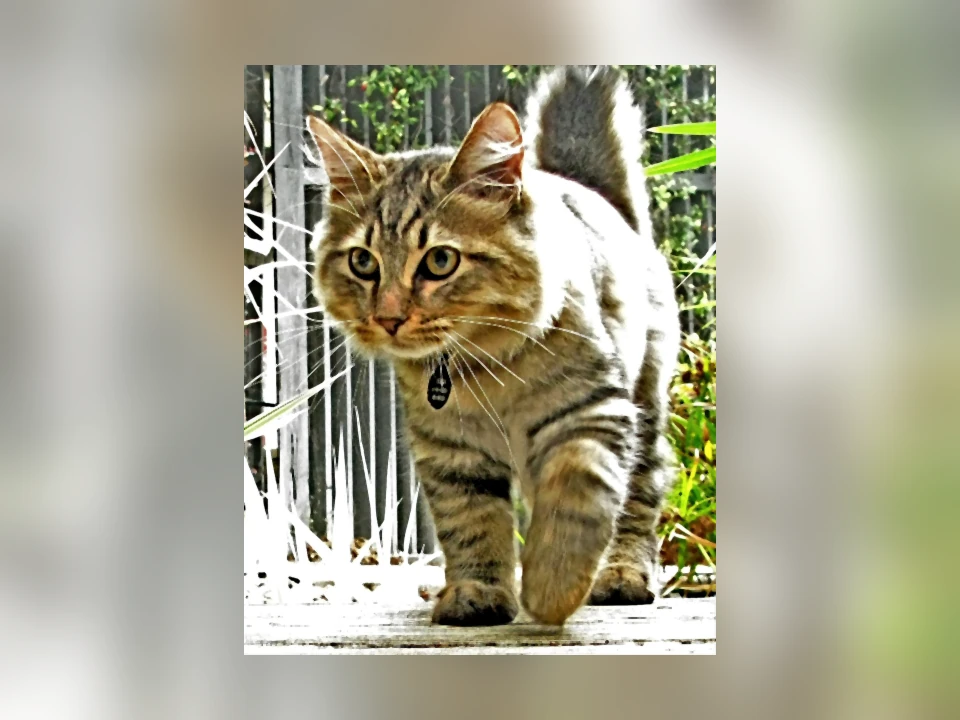
American Bobtail cat in a natural setting

Care OS lens

Create a American Bobtail care file

Fold this breed context into a printable PetGrit handoff with health-watch notes, body-shape cues, and questions for your next visit.

Build care file

Watch first

People wanting a quiet, independent, low-interaction cat, or anyone unable to provide daily play and company. Their sociability means they dislike being left alone for long stretches.

Personalized next step

Create a American Bobtail care brief

Carry this breed profile into a printable PetGrit report with health-watch notes, trait context, body-shape cues, and vet-visit questions.

Build care brief

Origin

The American Bobtail is a relatively young, naturally occurring breed from the United States, developed from cats carrying a spontaneous dominant mutation that produces a short, expressive tail, typically one-third to one-half the length of an ordinary cat’s. Despite a somewhat wild, lynx-like appearance, it is an entirely domestic breed with no wildcat ancestry behind the modern lines. TICA recognized the breed in 1989, and it has since been accepted by the CFA. A defining feature is how slowly it matures: many American Bobtails take two to three years to reach full size and substance.

Personality and daily life

If one word defines this breed, it’s sociable. American Bobtails are affectionate, intelligent and famously dog-like, they bond closely with their families, greet people at the door, and often invent games. Many learn to play fetch and walk on a leash, and they’re known for handling car travel and new environments calmly, which has made them popular with traveling owners and even in therapy work. They are adaptable and tend to get along well with children, cat-friendly dogs and other cats. The flip side of all this sociability is that they don’t enjoy being left alone for long; they want to be part of the household’s life.

Care and grooming

Care is straightforward. The shaggy double coat comes in shorthair and longhair varieties; shorthairs need weekly brushing and longhairs a little more, with extra attention during seasonal shedding. Beyond coat care, they need standard nail, dental and litter-box maintenance, plenty of interactive play, and things to climb and solve. An intelligent, athletic cat like this stays happiest with daily engagement rather than being left to its own devices.

Health

Here the American Bobtail compares favorably with some other bobtailed cats. Crucially, its short tail results from a dominant mutation that shortens the tail without the spinal-cord defects behind the Manx’s serious health issues, so the breed is not burdened by a tail-linked syndrome. It is generally regarded as a robust, long-lived breed. The health concerns worth knowing are mostly ones shared across many cat breeds: hypertrophic cardiomyopathy (HCM), the most common feline heart disease, and polycystic kidney disease (PKD), both of which responsible breeders screen for. Hip dysplasia, while uncommon in cats, has been noted in this larger, sturdier breed. As with any bobtailed cat, it’s sensible to have any tail-base discomfort or litter-box changes evaluated, but the breed does not carry the systemic risk seen in the Manx.

Who they suit

The American Bobtail is an outstanding choice for people who want a warm, interactive, dog-like companion, families, multi-pet homes, and owners who value a cat that’s genuinely involved in daily life. It’s a poor match only for those seeking an aloof, independent cat or unable to provide regular company and play. Choosing a breeder who screens for HCM and PKD gives you the best odds of many healthy years with one of the friendliest cats around.

Best for

Owners who want an interactive, dog-like cat that bonds closely, plays games, and travels well. An excellent fit for busy family homes, multi-pet households, and people who want engagement rather than aloofness.

Maybe not for

People wanting a quiet, independent, low-interaction cat, or anyone unable to provide daily play and company. Their sociability means they dislike being left alone for long stretches.

Health to watch

Common in the breed — not a diagnosis. A good breeder screens for these, and your vet can guide prevention and early care.

  • Hypertrophic cardiomyopathy (HCM) — The most common feline heart disease, seen across many breeds; ask whether breeding cats are screened by echocardiogram, and watch for signs like rapid breathing or lethargy.
  • Hip dysplasia — Uncommon in cats but documented in this larger, sturdy breed; keep cats lean and report any reluctance to jump or run to your vet.
  • Polycystic kidney disease (PKD) — A hereditary kidney condition reportable across several breeds; responsible breeders test their lines, and a DNA test is available.
  • Spinal sensitivity — Because the short tail is a natural trait rather than absence of the spine, the breed largely avoids Manx-type defects, but as with any bobtailed cat, have any tail-base pain or litter-box changes checked.

Sources

  • The Cat Fanciers' Association (CFA), American Bobtail breed standard — Breed description, body type and tail standard
  • The International Cat Association (TICA) — Breed recognition and dominant bobtail genetics
  • ASPCA Pet Health Insurance / PetMD, American Bobtail — Personality and health predisposition overview
  • Cornell University College of Veterinary Medicine — Reference for HCM and PKD in cats

Frequently asked questions

Is the American Bobtail's short tail a health risk like the Manx?

No, and this is an important distinction. The American Bobtail's tail comes from a different dominant mutation that shortens the tail without the spinal-cord malformations behind Manx syndrome. The breed is generally considered hardy, with no widespread bobtail-linked spinal disease.

Why are American Bobtails called dog-like?

Because they act like it. They bond intensely with their people, greet them at the door, often play fetch, can be trained to walk on a leash, and tend to take car travel and new situations in stride, which is one reason they've been popular with families and even used in therapy settings.

Are American Bobtails good with children and other pets?

Very. They're sturdy, friendly, playful and tolerant, which makes them well suited to families with children and homes with cat-friendly dogs or other cats. They generally seek out company rather than avoiding it.

How much grooming and exercise do they need?

Grooming is moderate: weekly brushing for shorthairs and a couple of times a week for longhairs, with extra during seasonal shedding. They're playful and athletic, so daily interactive play and climbing or puzzle opportunities keep this intelligent breed happy.

Similar breeds