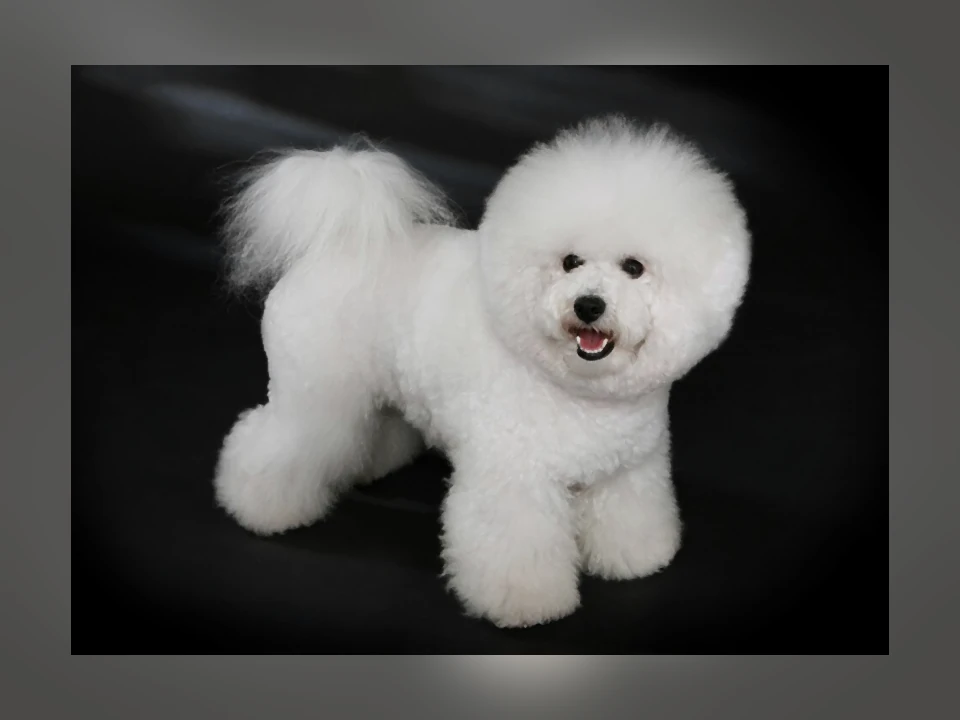
Meet the Bichon Frise (cheerful white powder-puff companion)
The Bichon Frise looks like a small white cloud with a face—and that’s much of the appeal. The name is French for “curly lap dog,” and the breed lives up to it: a sturdy little companion of around 12 to 18 pounds wrapped in a soft, dense, curly white coat that gives it that signature “powder-puff” silhouette. Its roots trace back to small companion dogs of the Mediterranean, refined over centuries in France and Spain, where the breed charmed its way into the laps of nobility and, later, became a favorite of traveling performers and circus acts.
The AKC places the Bichon in the Non-sporting group, but its real job has always been the same: keeping people happy. Behind that fluffy exterior is one of the most cheerful, sociable temperaments in dogdom. Individual Bichons vary in energy and personality, and choosing a responsible breeder or adopting from a reputable rescue makes a real difference in both temperament and lifelong health.
Personality & temperament
If you want a dog that radiates good cheer, the Bichon delivers. They’re playful, affectionate, gentle, and deeply people-loving—happiest curled in a lap, trotting beside you, or bouncing around the living room in the bursts of zoomies fans affectionately call “the buzz.” They tend to be merry, sensitive little dogs that respond far better to warmth than to correction.
They’re trainable, though not always pushovers—Bichons are smart but can have an independent streak, and housetraining in particular often takes patience and consistency. Short, positive, reward-based sessions work best, and early socialization helps the occasionally timid ones grow into confident, outgoing adults.
The flip side of all that devotion is that Bichons genuinely dislike being alone. Left on their own for long stretches, many become distressed, bark, or develop true separation anxiety. If your days involve long absences, read our guide on separation anxiety in dogs before bringing one home—and plan for company, daycare, or a midday check-in.
Living with a Bichon
This is one of the most adaptable companion breeds going. Their exercise needs are modest: a couple of short daily walks plus some indoor play and a puzzle toy usually satisfy that moderate energy. They don’t need a yard, which makes them excellent apartment and condo dogs.
Their gentle, friendly nature also makes the Bichon a strong choice for families, seniors, and first-time owners. They generally get along well with considerate children, other dogs, and other pets, and they’re small enough to travel easily. As with any small breed, supervise play with very young kids so the little dog isn’t accidentally dropped or stepped on.
The one thing a Bichon truly needs is your presence. They thrive on company and attention and are happiest in a home where someone is around much of the day. Give them that, and they’re remarkably easygoing everywhere else.
Grooming & care
Here’s the trade-off behind that low-shedding coat: it is genuinely high-maintenance. The Bichon’s curly double coat doesn’t blow fur the way many breeds do—instead, loose hair stays trapped in the curls, where it tangles and mats quickly right down to the skin. Most owners need a full professional grooming every four to six weeks to maintain that rounded powder-puff trim, plus regular brushing and combing at home between visits. Budget for grooming the way you’d budget for any real recurring cost of ownership.
Tear staining is the other thing every Bichon owner learns to manage. White facial hair around the eyes readily picks up reddish-brown stains from tears, so gentle daily wiping of the face and the hair around the eyes keeps things clean and helps prevent skin irritation.
Dental care is one of the most important routines for this breed. Small mouths crowd teeth, and Bichons are prone to plaque, tartar, and periodontal disease. Daily tooth brushing plus professional cleanings genuinely protect long-term health—get started with our dog dental care guide. Round out the routine with regular nail trims and ear checks.
Health
The Bichon Frise is generally a healthy, long-lived breed, often reaching 14 to 15 years. That said, it carries a recognizable set of conditions worth understanding before you commit.
Skin is the big one. Bichons are notably prone to allergies and atopic dermatitis—itchy, inflamed skin and recurrent ear and skin infections driven by environmental or food triggers. This is a manageable but often lifelong issue; our dog allergies guide explains how vets diagnose and control it. Beyond the skin, keep an eye on:
- Dental disease — crowded small mouths make plaque and periodontal disease common.
- Luxating patella — slipping kneecaps; watch for a skip or hop in the gait.
- Bladder stones and infections — the breed is predisposed; report straining or blood in the urine promptly.
- Eye conditions — cataracts and other problems occur; annual eye exams catch issues early.
- Legg-Calvé-Perthes disease — degeneration of the hip joint in young small dogs, causing limping and pain.
The best safeguard is choosing a breeder who health-tests parents—OFA evaluations for patellas, hips, and eyes—or adopting from a rescue that’s transparent about a dog’s history. Keeping your Bichon at a lean, healthy weight and staying on top of skin and dental care does the rest.
Is a Bichon Frise right for you?
A Bichon Frise is a wonderful low-shed family companion: cheerful, gentle, playful, and devoted, equally at home with a single apartment dweller, a busy family, or a senior looking for a loyal friend. In return, it asks for two real commitments—serious grooming (frequent brushing, regular professional clipping, and daily face care) and your company.
If you want a hands-off, wash-and-go dog you can leave alone all day, this isn’t the breed for you. But if you’ll show up for the grooming and you’ll be around to enjoy that affectionate, people-loving personality, few dogs will fill a home with as much cheerful energy as a Bichon Frise.