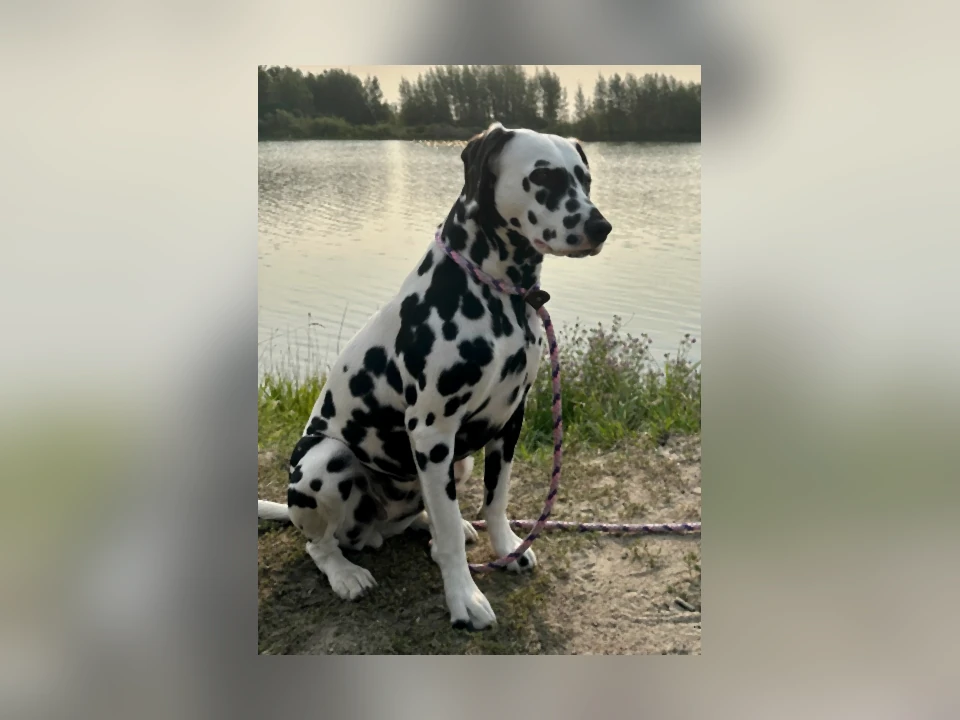
Meet the Dalmatian (the spotted coach dog and firehouse mascot)
Almost everyone recognizes a Dalmatian on sight. That crisp white coat scattered with black or liver spots is one of the most distinctive looks in the dog world — but the breed is far more than its markings. The Dalmatian traces its modern roots to the historical region of Dalmatia, on the Adriatic coast of present-day Croatia, and it earned its keep as a “coach dog,” trotting alongside horse-drawn carriages for mile after mile to guard the team and clear the road. That same stamina and bond with horses later made the breed a fixture of the firehouse, where Dalmatians ran with the engines and calmed the horses — the origin of the firehouse-mascot image that endures today.
A typical Dalmatian stands 19–24 inches at the shoulder and weighs 45–70 pounds, a genuinely large, lean, athletic dog. The American Kennel Club places the breed in the Non-sporting group, but don’t let that label fool you: this is a working endurance athlete at heart. Individuals vary in drive and personality, but as a breed, the Dalmatian was built to move, and it expects a life with plenty of action and human company.
Personality & temperament
Dalmatians are energetic, playful, smart, and deeply loyal, with the kind of stamina that surprises first-time owners. They form strong bonds with their families and tend to be outgoing and affectionate at home, often with a goofy, exuberant streak. That intelligence is a double-edged sword: a Dalmatian learns quickly, but it also gets bored quickly and will invent its own (usually destructive) entertainment if you don’t provide an outlet.
This is a breed that genuinely needs a job. Channeling that energy and brainpower into training, dog sports, or long daily outings keeps a Dalmatian happy and well-behaved. Early, consistent socialization is essential, too — well-bred, well-raised Dals are friendly and confident, but without that foundation they can become reserved or reactive. Because they bond so closely with their people, many dislike being left alone for long stretches; if your dog struggles when you leave, our guide on separation anxiety in dogs can help you build a calmer routine.
Living with a Dalmatian
Here’s the honest core of it: Dalmatians have very high exercise needs. This is a dog bred to run beside carriages for miles, and that endurance hasn’t gone anywhere. Plan on one to two hours of vigorous activity every single day — running, hiking, cycling alongside, fetch, or canine sports — plus mental work like training and puzzle games. A Dalmatian that doesn’t get enough is a recipe for trouble: bored, under-exercised Dals are notorious for destructive chewing, digging, excessive barking, and other anxious behaviors. None of that is the dog’s fault; it’s a working athlete with nothing to do.
The other thing to plan for is hair. Dalmatians shed heavily and constantly, all year round. Their short, stiff white and black hairs are deceptively tough and embed themselves in clothing, sofas, and car seats. Regular brushing helps a great deal — our guide on managing dog shedding walks through the brushes and routines that actually cut down the mess. If a hair-free home is non-negotiable for you, this is not your breed.
Grooming & care
The Dalmatian’s coat is short and easy to clean in theory, but the constant shedding means grooming is more about hair control than coat maintenance. A few minutes several times a week with a rubber curry brush or grooming mitt pulls out loose hair before it lands on everything you own — and during seasonal peaks you may want to brush daily. Dalmatians are naturally clean dogs with little doggy odor, so they only need a bath when they’re genuinely dirty.
Beyond brushing, stick to the basics: trim nails every few weeks, brush teeth regularly, and check the ears for redness or odor. Because so many Dalmatians have some degree of hearing loss, get into the habit of approaching your dog where it can see you to avoid startling it. As a short-coated breed, Dalmatians also feel the cold, so a coat for winter walks is worth having in chilly climates.
Health
Most Dalmatians are healthy, hardy dogs with a typical lifespan of 11–13 years, but the breed carries two well-known risks that every prospective owner should understand — plus a few others. Choosing health-tested parents, or supporting rescues that screen their dogs, makes a real difference.
- Congenital deafness. This is genuinely common in Dalmatians; some dogs are deaf in one ear, some in both. Responsible breeders perform BAER (brainstem auditory evoked response) testing on puppies, and the Orthopedic Foundation for Animals (OFA) maintains hearing records. A deaf Dalmatian can live a full, happy life with hand-signal training and a secure, fenced environment.
- Urate bladder stones. Dalmatians have a unique quirk of uric-acid metabolism — they don’t process it the way most dogs do — which predisposes them to urate stones in the bladder and urinary tract. Diet plays a major role, and so does keeping your dog well hydrated; our guide on how much water a dog should drink explains why constant access to fresh water matters. Watch for straining to urinate, frequent small urinations, or blood in the urine, and see your vet promptly.
- Skin allergies and dermatitis. The breed is prone to skin sensitivities; talk to your vet about persistent itching, hot spots, or recurring flare-ups.
- Hip dysplasia. A malformation of the hip joint seen in many athletic breeds. The OFA recommends hip screening (OFA or PennHIP) for breeding dogs.
Because Dalmatians gain weight quickly when their activity drops, keep an eye on body condition — our is my dog overweight guide shows you how to assess it at home. For clinical detail on any of these conditions, the Merck Veterinary Manual is a trustworthy reference. As always, individual dogs vary, and your veterinarian is your best partner for breed-specific care.
Is a Dalmatian right for you?
A Dalmatian is a striking, athletic, devoted dog — and a wonderful match for the right home. If you’re an active, experienced owner who runs, hikes, cycles, or competes, and you want a smart, loyal companion to share it all, few breeds are more rewarding. They’re affectionate, playful, and endlessly game for adventure.
But go in clear-eyed. This breed demands serious daily exercise and mental work, sheds relentlessly, and comes with two real health considerations — the deafness risk and the lifelong potential for urate stones — that you’ll want to budget for in both money and attention. If you have a sedentary lifestyle, work long hours away from home, or are looking for your first dog, a Dalmatian will likely become bored, anxious, and destructive, and that isn’t fair to the dog. Whether you buy from a responsible, BAER-testing breeder or adopt from a breed-specific rescue, commit to the exercise, the hair, and the health management. Meet those needs, and you’ll have one of the most distinctive and loyal partners around.