Hypoallergenic Cat Breeds That Allergy Sufferers Tolerate Best
No cat is allergen-free, because the trigger is a protein in their saliva and skin — not their fur. But these breeds tend to produce less of it, or shed it around less.
How we built it
We list the cat breeds most consistently recommended for allergy sufferers across veterinary and allergy sources, with a one-line reason each is considered gentler. This is a curated list, not a strict ranking — individual reactions vary enormously.
Cat allergies are tougher than dog allergies, because the main culprit isn't hair at all — it's a protein called Fel d 1, made in a cat's saliva and skin glands and spread onto the coat during grooming. Every cat produces it, so no breed is truly hypoallergenic. But some breeds reportedly produce less Fel d 1, and others shed and groom in ways that put less of it into the air. These are the breeds most often recommended for people with mild cat allergies, with full PetGrit profiles.
Visit preparation
Bring your questions to the next visit
Add your own observations and questions in the visit tool. Rankings are not copied into the brief or used as a clinical assessment.
- 1 Reportedly lower Fel d 1
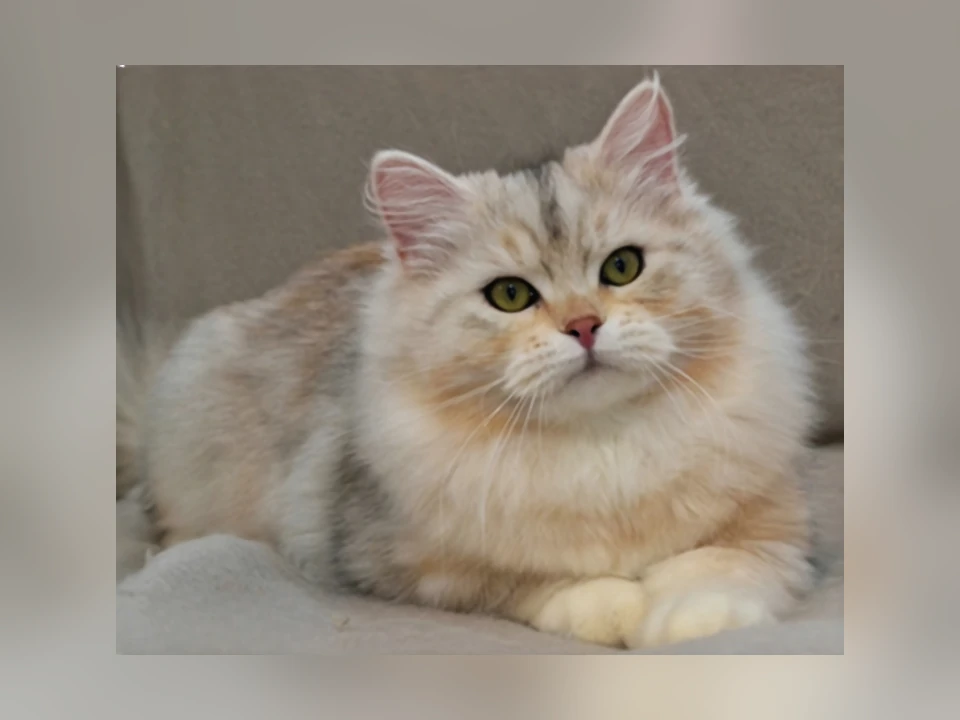
Siberian
Natural breed · Large
Despite a thick triple coat, Siberians are widely reported to produce less Fel d 1 than average — a favorite suggestion for cat lovers with allergies.
View profile - 2
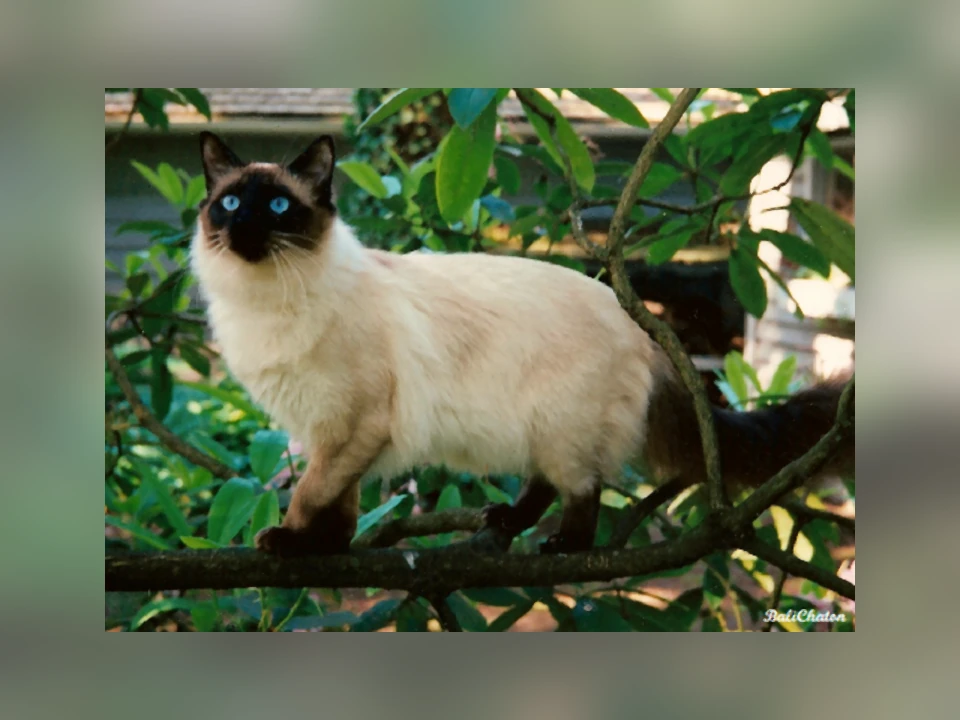 Reportedly lower Fel d 1
Balinese
Natural/Oriental breed · Medium
The 'longhaired Siamese' is another breed often cited as producing less of the Fel d 1 allergen, with a single coat that mats little.
View profile - 3
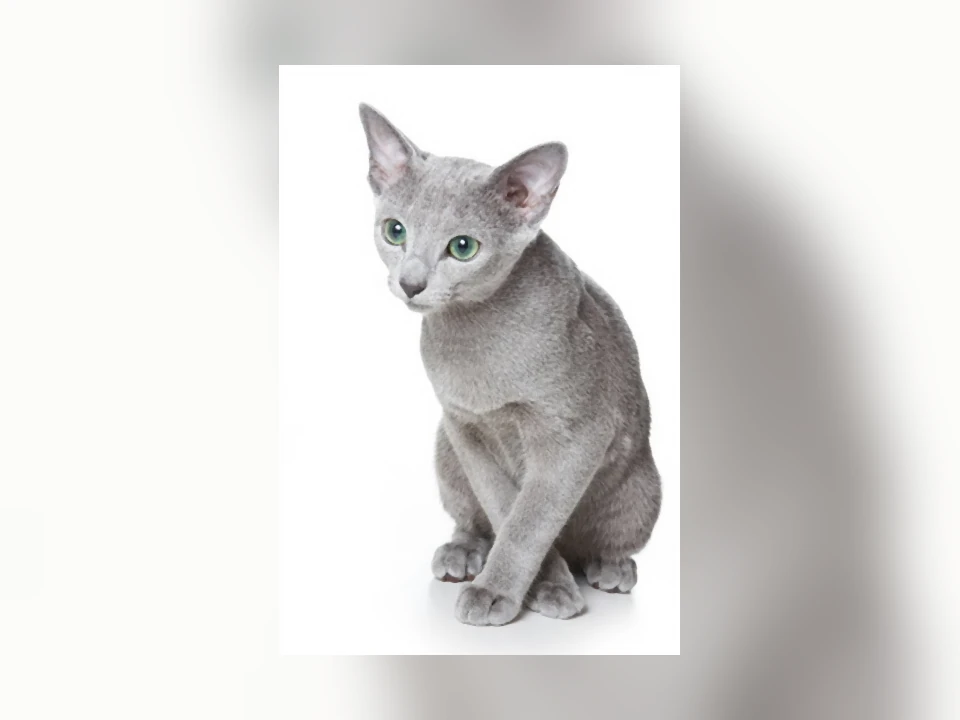 Reportedly lower Fel d 1
Russian Blue
Natural breed · Medium
A dense, plush-coated breed that some allergy sufferers tolerate better; quiet, reserved, and devoted to its people.
View profile - 4
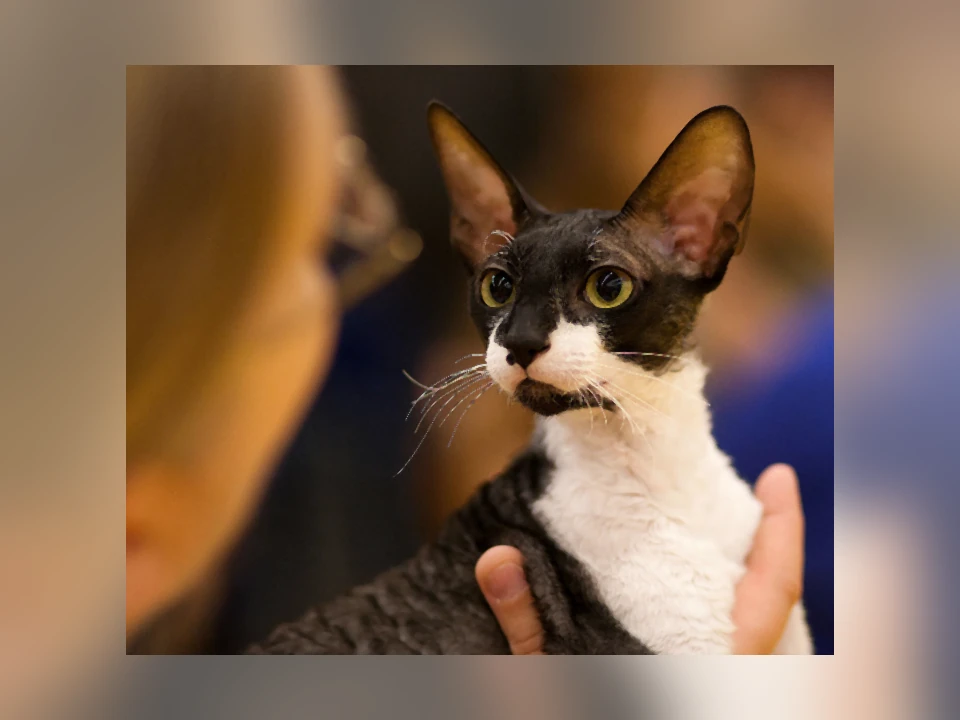 Minimal, short coat
Cornish Rex
Natural breed · Small-Medium
A fine, wavy single coat means less hair shed around the home, which can mean less airborne allergen — but the cat still grooms.
View profile - 5
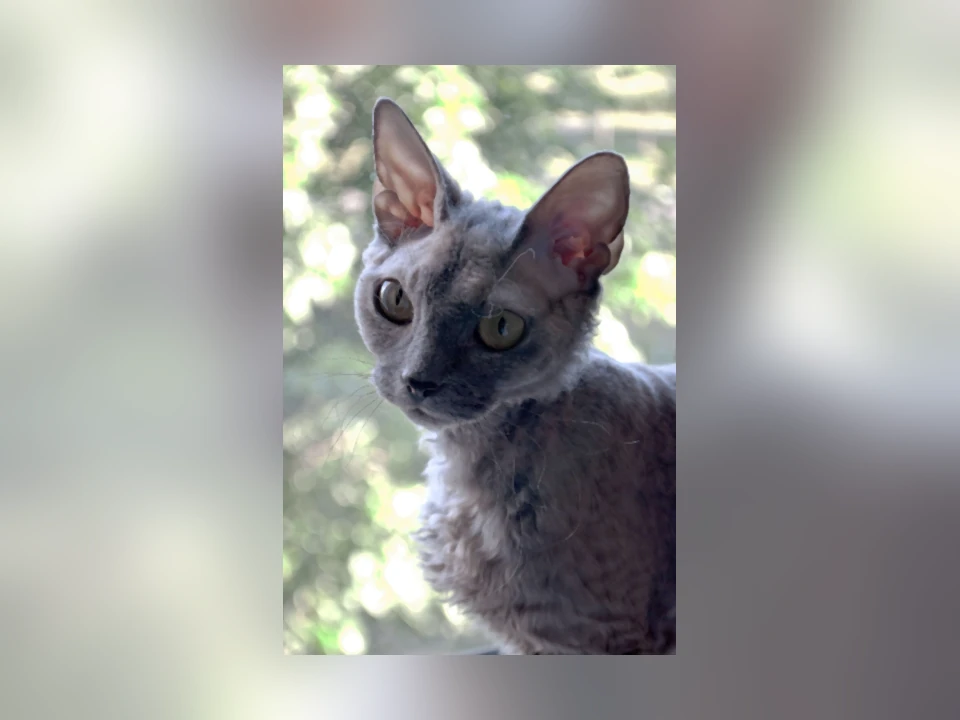 Minimal, short coat
Devon Rex
Natural breed · Small-Medium
Like the Cornish Rex, its sparse wavy coat sheds very little; an affectionate, people-loving 'pixie' cat.
View profile - 6
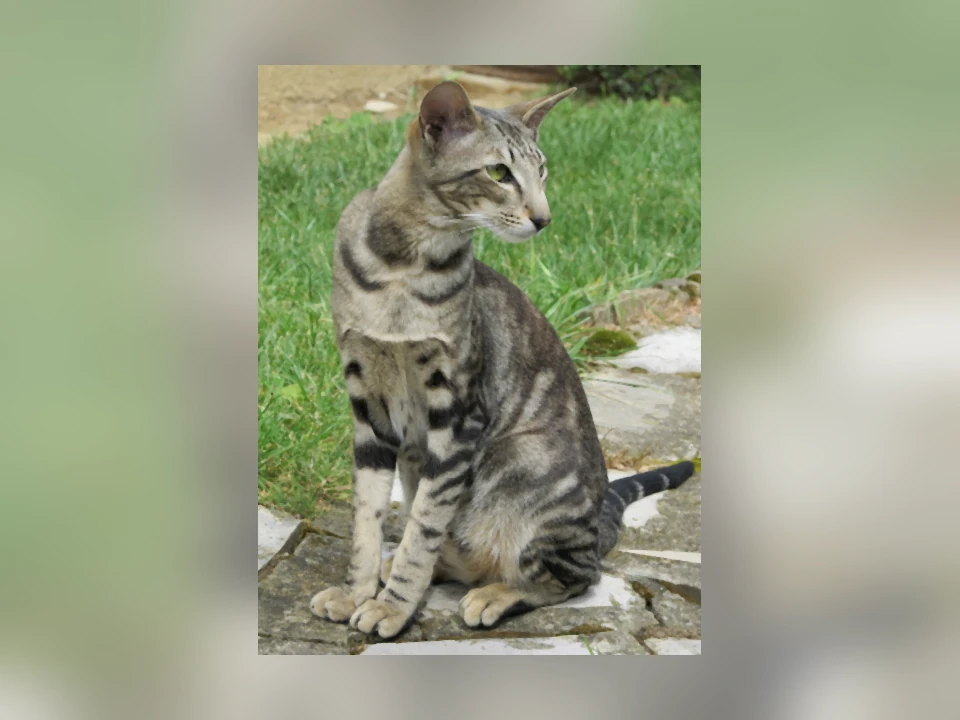 Short, low-shed coat
Oriental Shorthair
Natural/Oriental breed · Medium
A sleek single coat that sheds minimally and needs little grooming, so less allergen-laden hair circulates.
View profile - 7
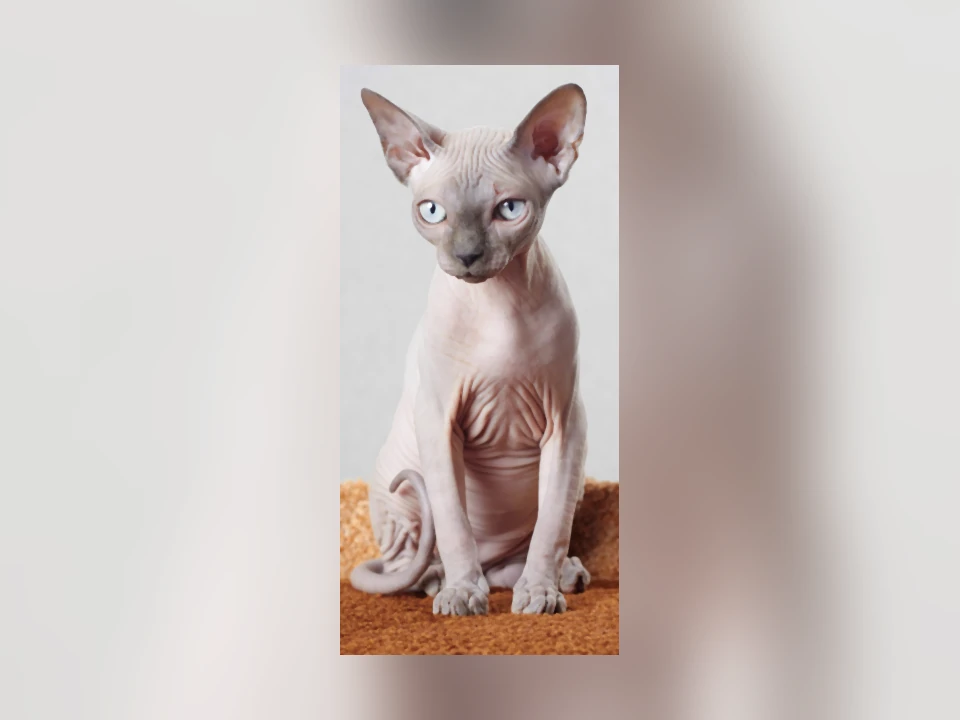 Hairless — but bathed often
Sphynx
Natural/hairless breed · Medium
No coat means no shed hair, but Sphynx skin still carries Fel d 1, so regular bathing is part of the deal, not a hypoallergenic free pass.
View profile
Sources & method
- Veterinary and allergy sources on Fel d 1 — Basis for which breeds are commonly recommended for cat-allergy sufferers.
- American College of Allergy, Asthma & Immunology (ACAAI) — pet allergy guidance — Context that the Fel d 1 allergen comes from saliva and skin, not fur.
The short version
- No cat breed is truly hypoallergenic — the allergen Fel d 1 comes from saliva and skin, so even hairless cats produce it.
- The Siberian and Balinese are the breeds most often cited as producing less Fel d 1, while the Rex breeds and Sphynx simply shed less hair to carry it.
- Reactions are intensely individual and vary cat to cat, so spend real time with a specific cat — and consult an allergist — before adopting.
Frequently asked questions
What is the most hypoallergenic cat breed?
The Siberian is the breed most often recommended, because it's widely reported to produce less of the Fel d 1 allergen than the average cat — despite having a thick coat. The Balinese is a close second for the same reason. But no cat is truly hypoallergenic, and even within these breeds, individual cats produce different amounts of allergen.
Aren't hairless cats like the Sphynx hypoallergenic?
No — this is a common myth. The cat allergen Fel d 1 is produced in saliva and skin glands, not in the fur, so a hairless Sphynx still makes it and spreads it onto its skin when grooming. Sphynx cats actually need frequent bathing to manage the oils and allergen on their skin. They shed no hair, but they are not allergen-free.
How can I reduce cat allergens at home regardless of breed?
Beyond breed choice, the measures that help most are practical: keep the cat out of the bedroom, use a HEPA air purifier, vacuum and wash soft furnishings often, wash your hands after handling the cat, and ask your doctor about allergy treatment. Some owners also find that wiping the cat down regularly helps. Breed is just one small factor among many.
Related reading
More rankings
Low-noise pet care
Get PetGrit care check-ins worth opening
New report workflows, calm checklists, and practical pet-care updates for dog and cat parents. No spam, no fear-selling. Unsubscribe anytime.
Prefer a personalized brief? Prepare a visit brief.