Hypoallergenic Dog Breeds (AKC's Allergy-Friendly List)
No dog is truly hypoallergenic. But the AKC names a set of low-shedding breeds that many allergy sufferers tolerate better — here they are, with the science.
How we built it
We include the breeds on the AKC's allergy-friendly list that have full PetGrit profiles, ordered by how consistently low-shedding their coats are.
If dog dander leaves you sneezing, you've probably searched for 'hypoallergenic dog breeds.' The honest answer is that none exist — but some breeds shed far less hair and spread less dander, and many allergy sufferers genuinely do better with them. The American Kennel Club maintains a list of breeds it recommends for people with allergies, almost all of them single-coated or low-shedding. These are the ones with full PetGrit profiles. We order them by how reliably low-shedding they are, not as a strict ranking.
Visit preparation
Bring your questions to the next visit
Add your own observations and questions in the visit tool. Rankings are not copied into the brief or used as a clinical assessment.
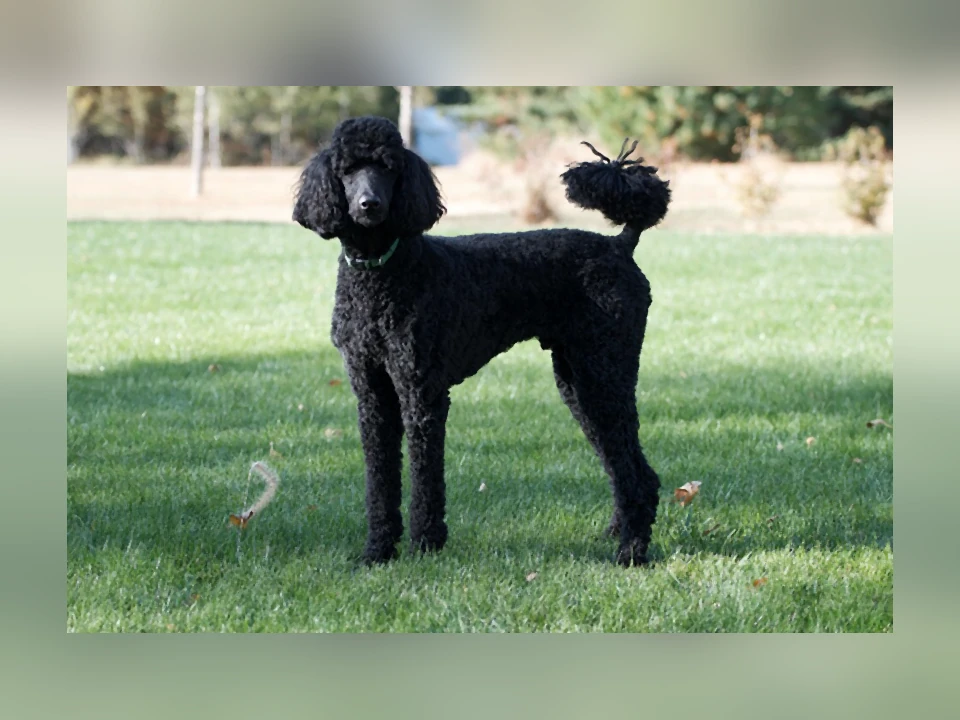
- 1 Dense, curly, single coat
Poodle
Non-sporting group · Varies (Toy to Standard)
The classic allergy-friendly breed and the basis for most 'doodle' crosses — curly, near-non-shedding, but needs regular professional grooming.
View profile - 2
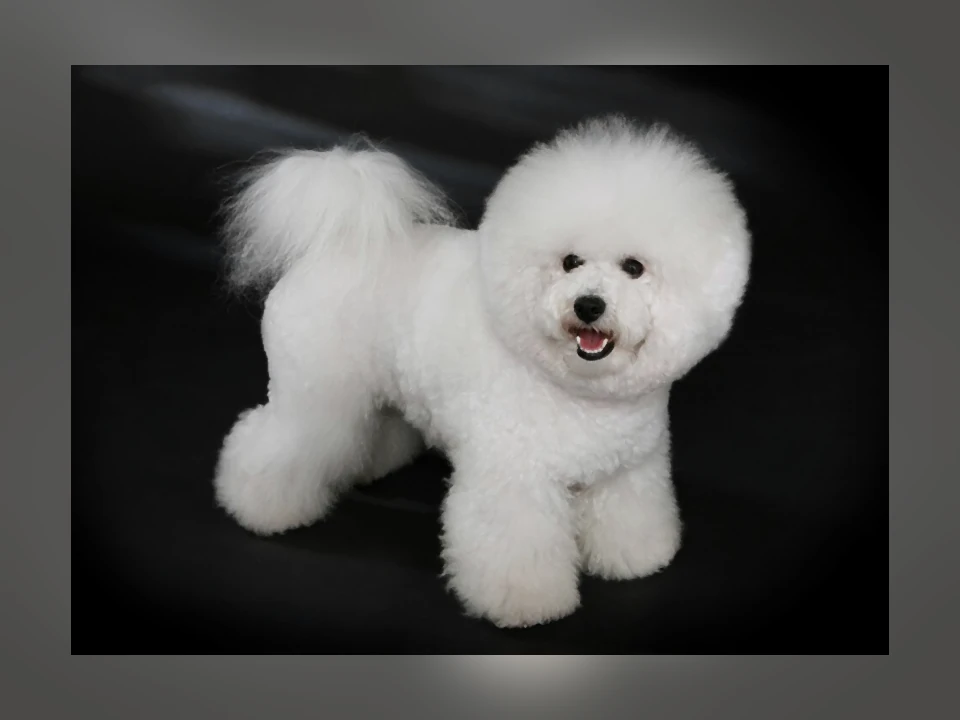 Curly, single coat
Bichon Frise
Non-sporting group · Small
A cheerful little companion with a powder-puff coat that sheds minimally and traps loose hair until you brush it out.
View profile - 3
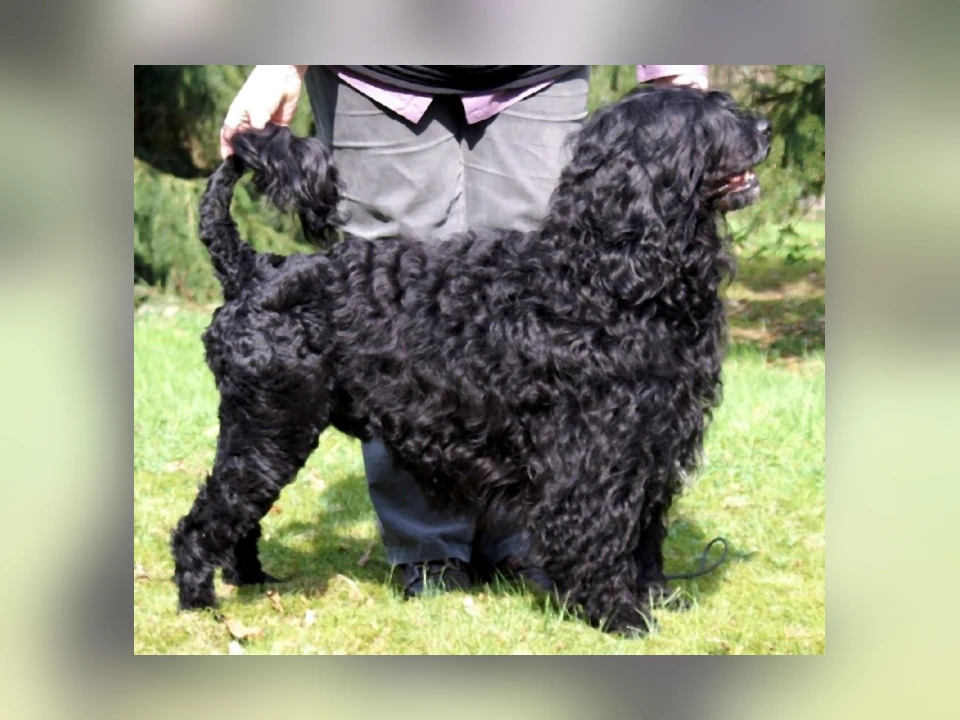 Curly/wavy, single coat
Portuguese Water Dog
Working group · Medium
A robust working breed (famously the Obama family's dog) with a low-shedding coat and high exercise needs.
View profile - 4
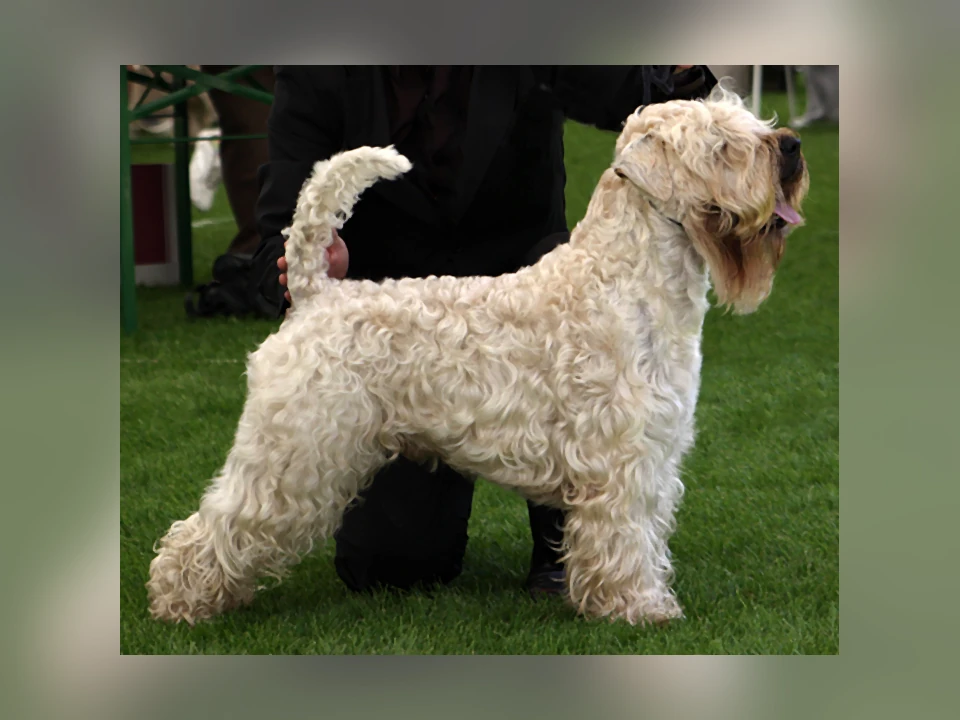 Soft, single coat
Soft Coated Wheaten Terrier
Terrier group · Medium
A friendly terrier with a silky, low-shedding coat that needs frequent brushing to prevent mats.
View profile - 5
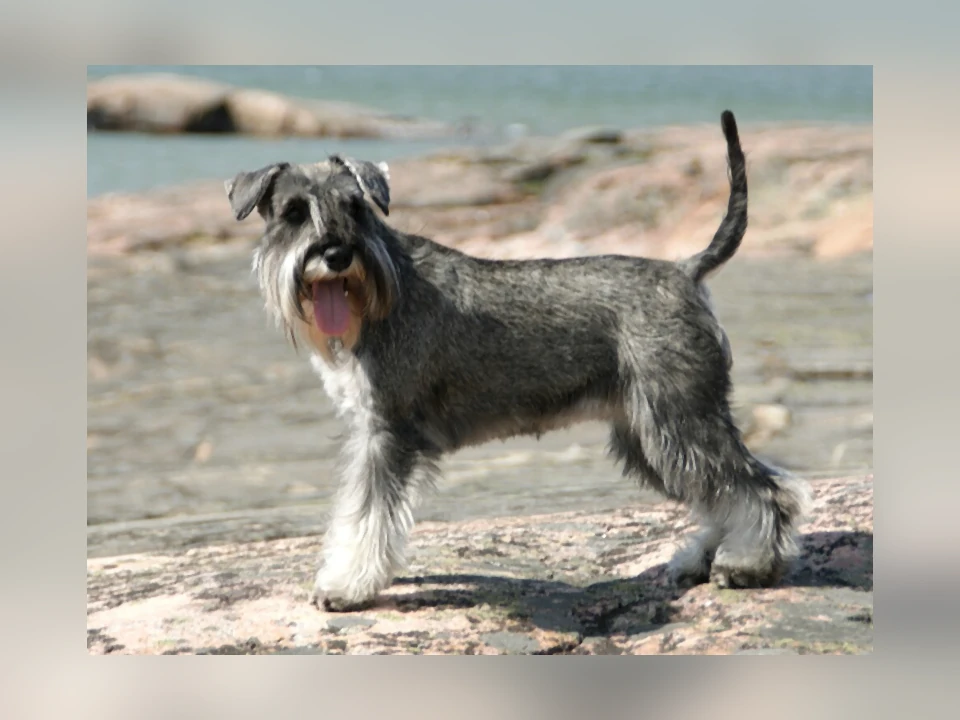 Wiry, low-shedding
Miniature Schnauzer
Terrier group · Small
Spirited and sturdy, with a harsh double coat that sheds very little when hand-stripped or clipped regularly.
View profile - 6
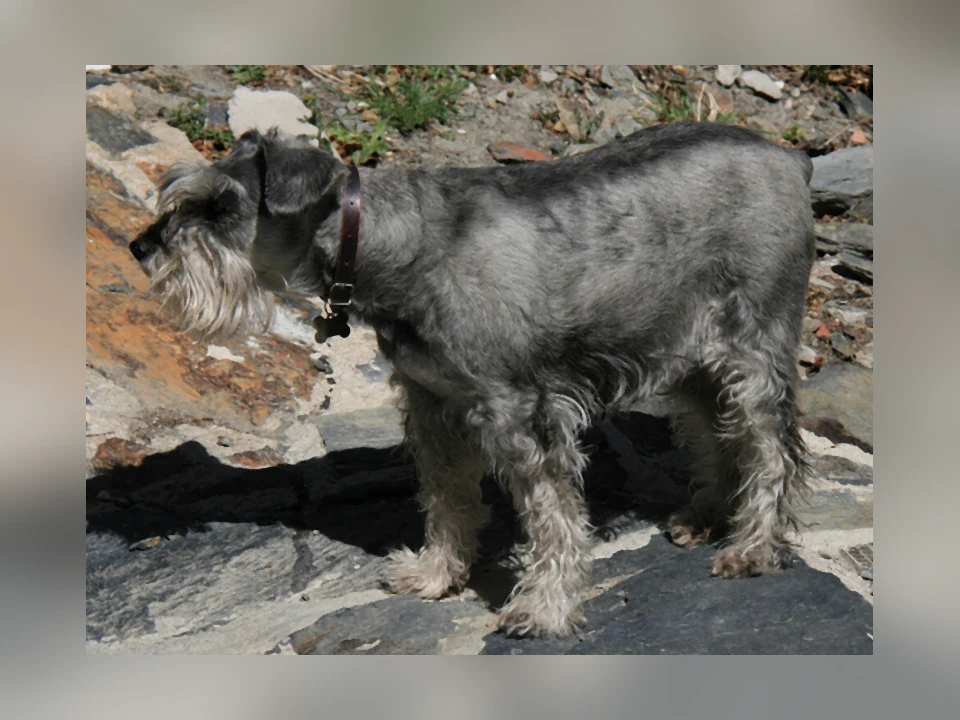 Wiry, low-shedding
Standard Schnauzer
Working Group · Medium
The Miniature's larger, high-energy cousin — same low-shedding wiry coat, more dog to exercise.
View profile - 7
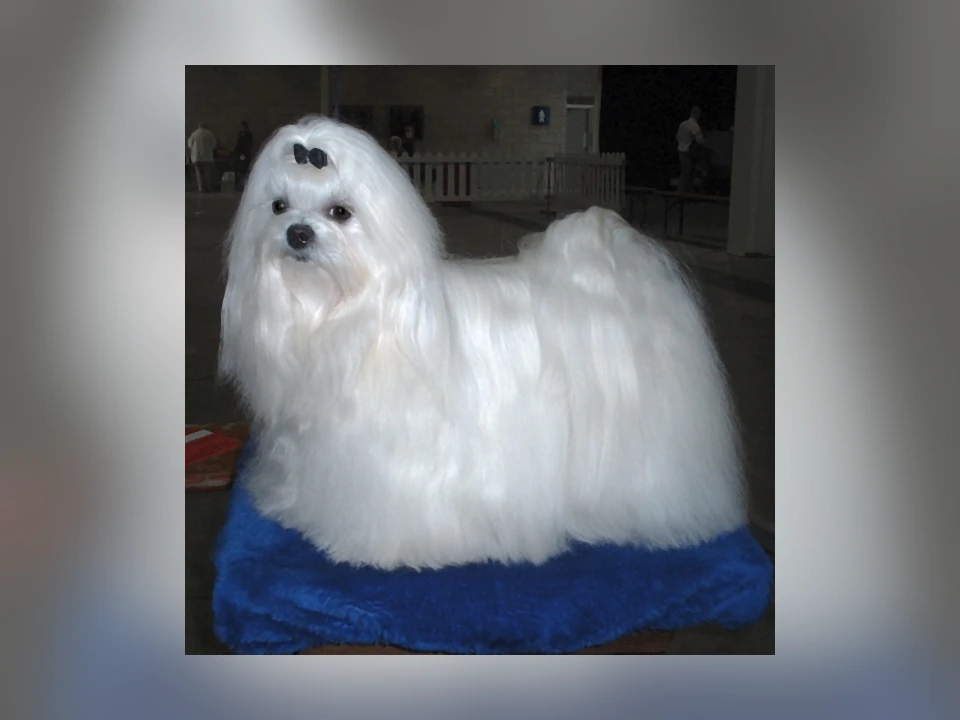 Silky, single coat
Maltese
Toy group · Small
A tiny toy breed with long, hair-like (not fur-like) coat that sheds minimally; the grooming commitment is real.
View profile - 8
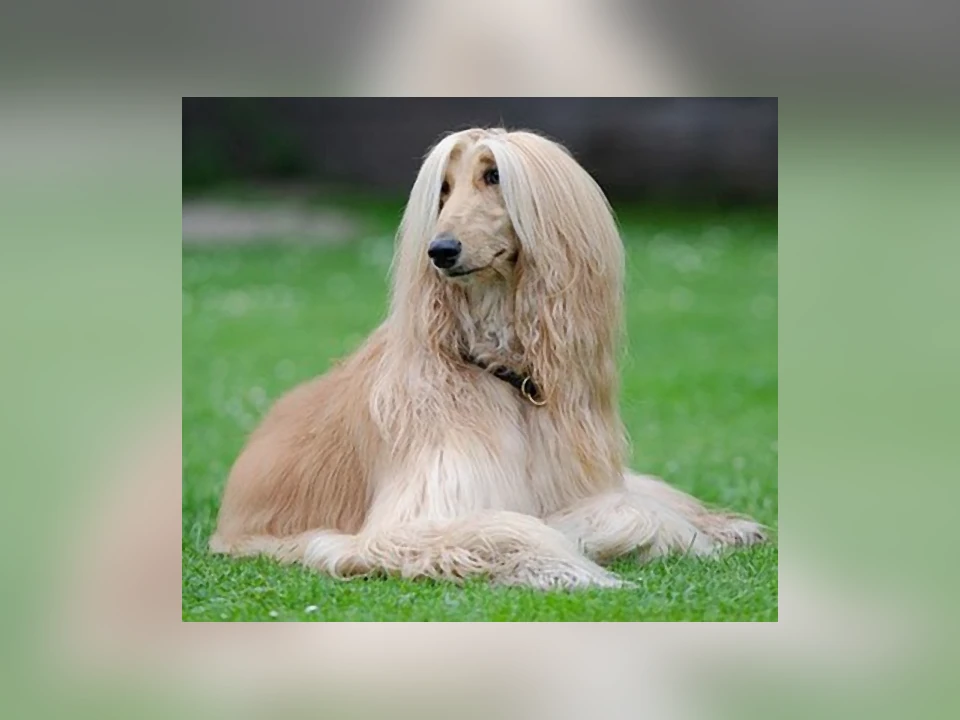 Long, fine, single coat
Afghan Hound
Hound Group · Large
Surprisingly low-shedding for all that glamour — but the flowing coat demands serious, frequent grooming.
View profile
Sources & method
American Kennel Club (AKC) — Hypoallergenic Dogs — AKC's published list of breeds recommended for allergy sufferers . The AKC stresses these breeds shed predictably little — not that they are allergen-free
- American Kennel Club (AKC) — Hypoallergenic Dogs list — Primary source for which breeds are recommended for allergy sufferers.
- Asthma and Allergy Foundation of America (AAFA) — pet allergy guidance — Context on dog allergens (Can f 1) living in dander, saliva, and urine.
The short version
- No dog breed is truly hypoallergenic — the main allergen is in dander, saliva, and urine, not just shed hair.
- The AKC's allergy-friendly breeds are almost all single-coated or wiry, low-shedding dogs led by the Poodle and Bichon Frise.
- Lower shedding usually means higher grooming: most of these coats need regular professional clipping or frequent brushing to stay healthy.
Frequently asked questions
Are any dog breeds truly hypoallergenic?
No. Despite the popular label, no dog is genuinely hypoallergenic. The primary dog allergen, Can f 1, is found in dander (dead skin), saliva, and urine — so every dog produces it, even hairless ones. Breeds described as hypoallergenic simply shed less hair and spread less dander, which can reduce symptoms for some allergy sufferers but never eliminate the allergen.
Which hypoallergenic dog is best for severe allergies?
The Poodle (or a well-bred Poodle cross) is the most common recommendation, because its dense, curly, single coat sheds very little and traps loose hair and dander until it's groomed out. That said, severity is individual — the only reliable test is to spend extended time around the specific dog you're considering and see how you react before committing.
Do low-shedding breeds need more grooming?
Almost always, yes. The same coat that doesn't shed onto your furniture keeps growing and traps loose hair, so it mats without regular care. Most breeds on this list need brushing several times a week plus professional clipping every 4–8 weeks, which is a real time and cost commitment to factor in.
Related reading
More rankings
Low-noise pet care
Get PetGrit care check-ins worth opening
New report workflows, calm checklists, and practical pet-care updates for dog and cat parents. No spam, no fear-selling. Unsubscribe anytime.
Prefer a personalized brief? Prepare a visit brief.