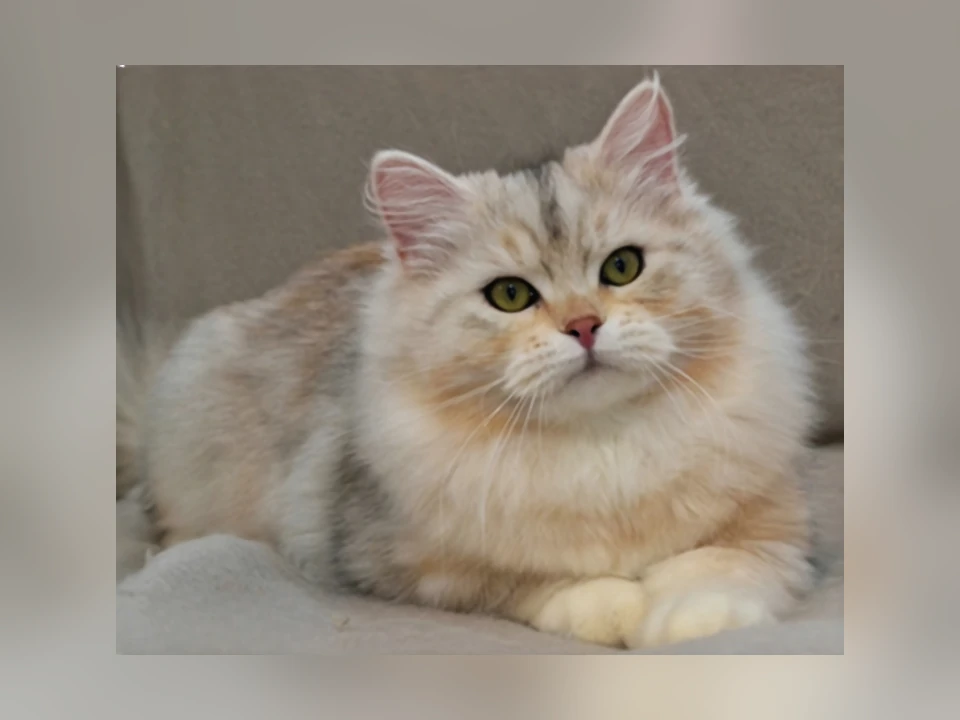
Meet the Siberian (Russia’s sturdy, dog-like national cat)
The Siberian is Russia’s native forest cat — a large, powerfully built breed that developed over centuries in a harsh, cold climate. That heritage shows. Siberians are muscular and substantial, with big paws, a broad chest, and a famously dense, water-resistant triple coat built to handle brutal winters. Despite their size, they move with surprising agility, leaping and climbing with the ease of a much smaller cat.
Recognized by registries including The International Cat Association (TICA) and the Cat Fanciers’ Association (CFA), the Siberian is considered a natural breed, meaning it arose through natural selection rather than human-directed crossing. Males commonly outweigh females and can reach the upper end of the breed’s size range. As with any breed, individuals vary widely, and a cat’s early socialization and health matter far more than the label on the pedigree.
Personality & temperament
If one phrase follows the Siberian everywhere, it’s “dog-like.” These cats are affectionate, playful, and intelligent, and they tend to bond closely with their people rather than picking a single person and ignoring the rest of the household. Many learn to fetch, come when called, and greet you at the door. They’re social with families and other pets, and their easygoing confidence usually makes introductions smoother than with more skittish breeds.
Siberians are also athletic. They’re strong climbers and jumpers who love to perch up high and survey the room, so vertical space — cat trees, shelves, window seats — keeps them happy. A notable quirk: some Siberians are fascinated by water and will paw at faucets, drinking fountains, or even the bathtub. They tend to be moderate in voice, communicating with soft chirps and trills more than loud, demanding meows.
The “hypoallergenic” question
This is the reason many people seek out the breed, so it deserves an honest answer. Siberians are widely reported to produce less Fel d 1 — the primary protein responsible for cat allergies — than the average cat, and many allergy sufferers genuinely tolerate them better. That reputation isn’t pure myth.
But it is frequently overstated. No cat is truly hypoallergenic. Fel d 1 is produced in saliva and skin glands and spread through grooming, and levels vary considerably from one cat to the next — even between two Siberians, and even within the same cat over time. Intact males, for example, tend to produce more allergen than spayed females. There is no guarantee that any individual Siberian will be low-allergen, and reactions depend on your own sensitivity, too.
The practical advice: spend real time with the specific cat you’re considering — ideally repeated visits — before committing, and consult your physician about your allergies. Some breeders offer allergen-level testing, but in-person trial time with that particular animal remains the most reliable check.
Living with a Siberian
A Siberian is an active, affectionate roommate that wants to be part of family life. Plan for daily play — wand toys, puzzle feeders, and climbing structures all help burn energy and engage that sharp mind. Because they’re large and athletic, they appreciate sturdy furniture they’re allowed to climb and a few high perches to call their own.
The triple coat shapes daily life, too. It’s water-resistant and self-maintaining to a degree, so most Siberians don’t need frequent bathing — see our guide on whether cats need baths for the rare cases when one helps. What they do need is consistent brushing to manage that dense undercoat. Regular grooming also cuts down on swallowed hair; our overview of hairballs in cats explains why coat care and digestion are linked, and when a hairball is worth a vet visit.
Grooming & care
The Siberian’s signature feature is its thick, three-layered coat: a coarse guard layer, an awn middle layer, and a soft down undercoat. It’s plush and beautiful, but it sheds. Expect routine shedding year-round and noticeably heavier “coat blows” during spring and fall as the cat adjusts to the seasons.
Brushing a few times a week is usually enough to prevent mats and tangles, with daily attention during peak shedding. Pay special attention to the longer fur around the ruff, belly, and “britches” on the hind legs, where mats form first. Round out care with routine nail trims, dental hygiene, and regular veterinary checkups — and keep portions in check, since a big, fluffy cat can quietly carry extra weight. Our guide on how much to feed a cat can help you set sensible portions.
Health
Siberians are generally considered hardy, robust cats, and many live long, healthy lives. Still, no breed is free of risk, and a few conditions are worth knowing about. Hypertrophic cardiomyopathy (HCM) — a thickening of the heart muscle and the most common feline heart disease — is seen in many breeds, including the Siberian. Polycystic kidney disease (PKD), an inherited condition causing fluid-filled cysts in the kidneys, is another to ask about. Both are reasons to favor breeders who screen their breeding cats.
Beyond breed-specific concerns, Siberians benefit from the same preventive care as any cat: routine wellness exams, dental care, parasite prevention, vaccinations appropriate to their lifestyle, and weight monitoring. If you’re buying from a breeder, ask about health testing (cardiac and PKD screening in particular) and meet the parents when you can. Adoption is also a wonderful path — shelters and breed-specific rescues sometimes have Siberians and Siberian mixes looking for homes. The Cornell Feline Health Center and the Merck Veterinary Manual are solid references for understanding feline heart and kidney conditions in more depth.
Is a Siberian right for you?
A Siberian can be a wonderful companion: sturdy, affectionate, playful, and unusually family-friendly for a cat. They suit households that want an interactive, dog-like pet, enjoy a cat that’s part of the action, and can keep up with the grooming a triple coat demands. For some allergy sufferers, a Siberian may be more tolerable than the average cat — but treat that as a possibility to test, not a promise to bank on, and spend time with the individual cat first.
If you can commit to regular brushing, provide room to climb and play, and partner with a responsible breeder or rescue, a Siberian is likely to reward you with years of devoted, good-natured company.