Best Dogs for First-Time Owners
A good first dog is trainable, people-oriented, and forgiving of beginner mistakes. These breeds make the learning curve gentler.
Compare quickly
8 breed picks with live size, lifespan, energy, shedding, and grooming context.
Your first dog teaches you as much as you teach it — so a forgiving, trainable, people-loving breed makes everything easier. The breeds below tend to be eager to please, resilient, and adaptable, which helps when you're still learning the ropes of training, exercise, and routine. We've deliberately left off the brilliant-but-demanding working breeds (like Border Collies and Belgian Malinois) that overwhelm most beginners. Whatever you choose, commit to early socialization and reward-based training.
Visit preparation
Prepare questions about your pet
Use this reading to decide what to ask. Enter your own observations and questions in the visit tool; this list is not copied into the brief.
- 1
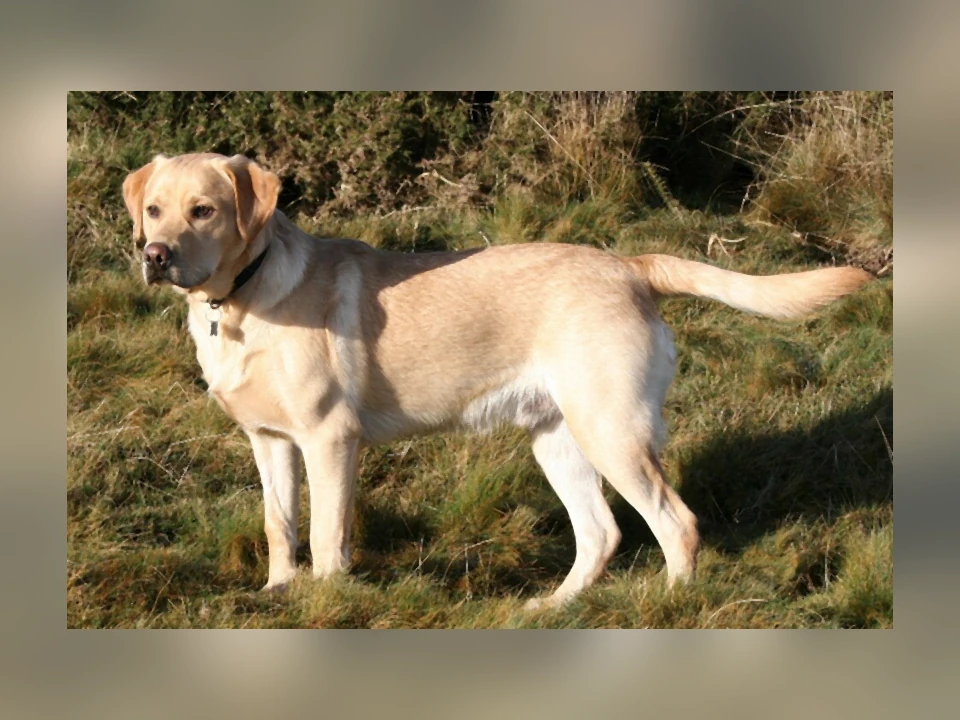
Labrador Retriever
Large · 11–13 yearsWhy it makes the list: Trainable, tolerant, and endlessly good-natured; the classic first dog if you can meet its exercise needs.
Full Labrador Retriever profileEnergy5/5Shedding4/5Grooming2/5 -
 2
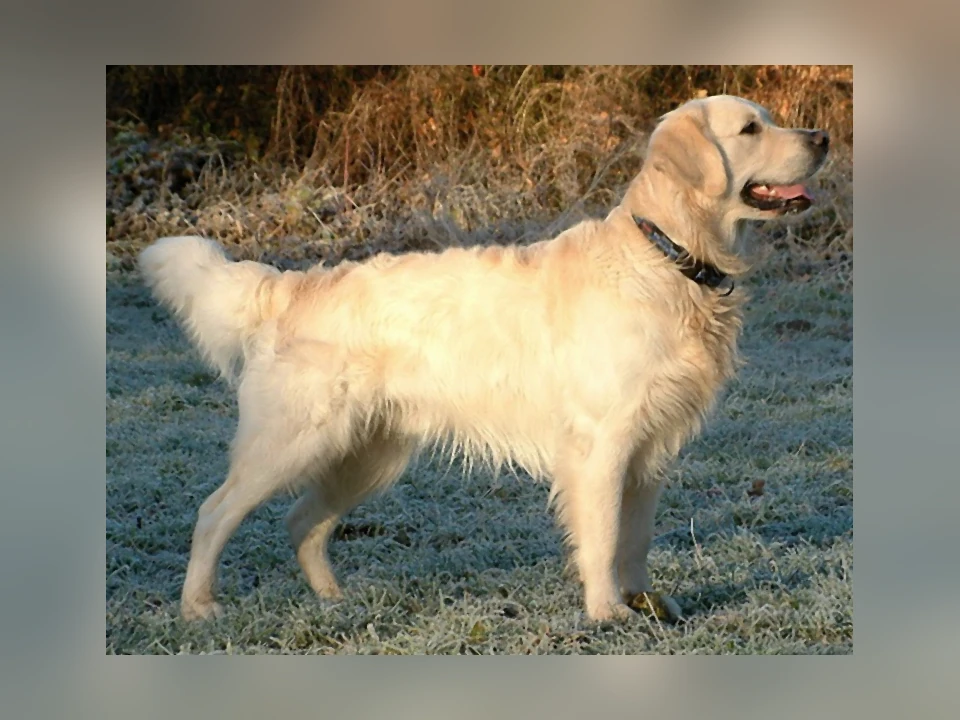
2Golden Retriever
Large · 10–12 yearsWhy it makes the list: Gentle and eager to please, which makes training forgiving — just plan for grooming and exercise.
Full Golden Retriever profileEnergy5/5Shedding5/5Grooming4/5 -
 3
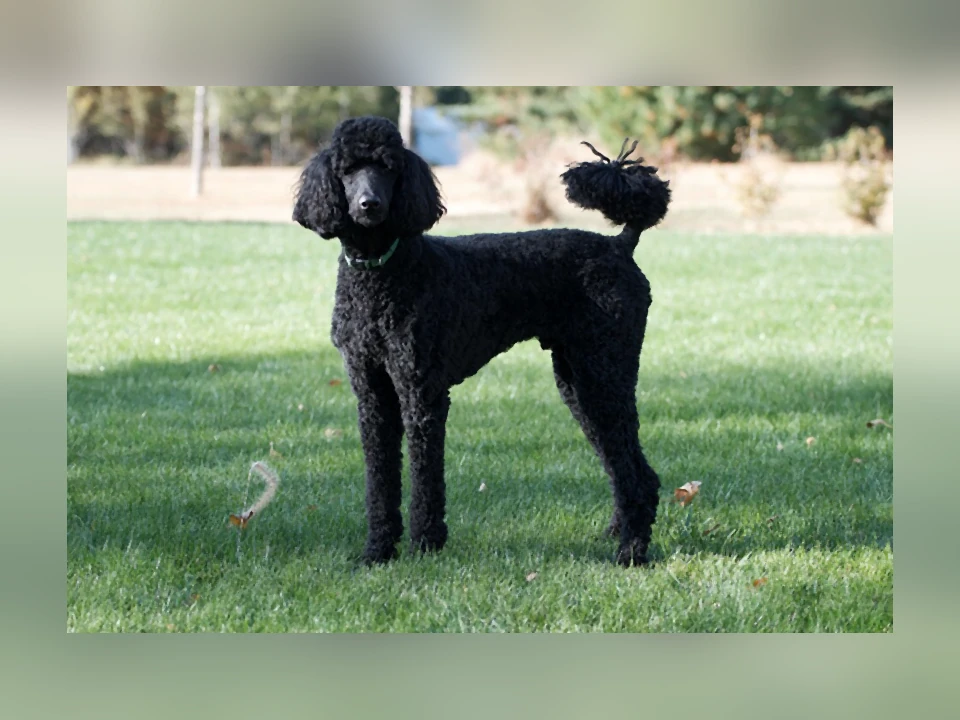
3Poodle
Varies (Toy to Standard) · 12–15 yearsWhy it makes the list: Exceptionally smart and trainable, low-shedding, and available in three sizes to suit your home.
Full Poodle profileEnergy4/5Shedding1/5Grooming5/5 -
 4
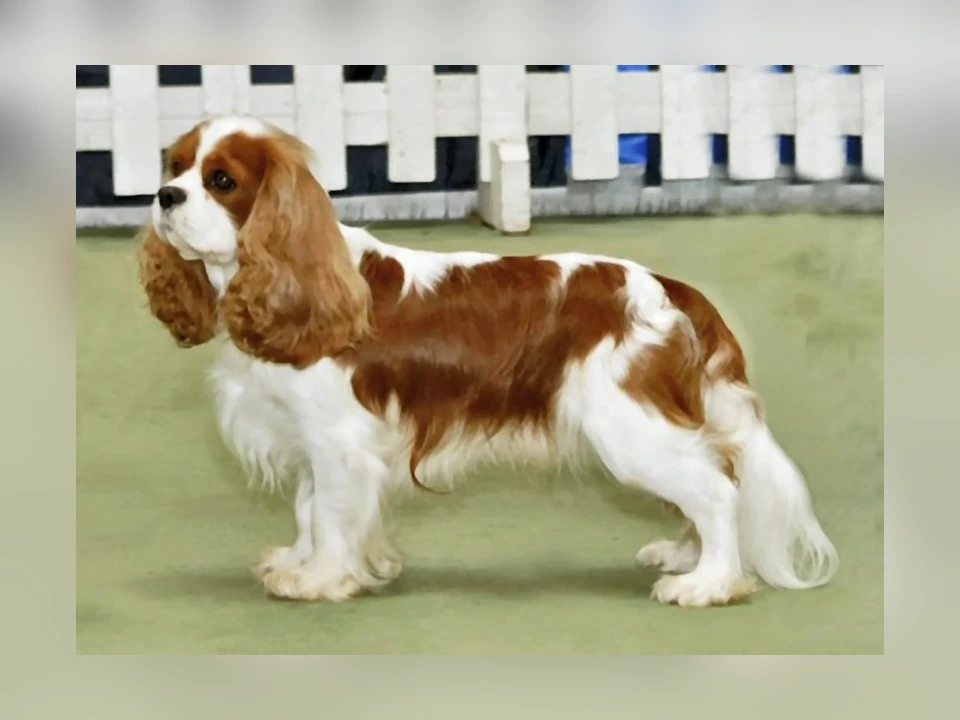
4Cavalier King Charles Spaniel
Small · 9–14 yearsWhy it makes the list: Easygoing, affectionate, and adaptable — a low-drama smaller dog for gentle first-timers.
Full Cavalier King Charles Spaniel profileEnergy3/5Shedding3/5Grooming3/5 -
 5
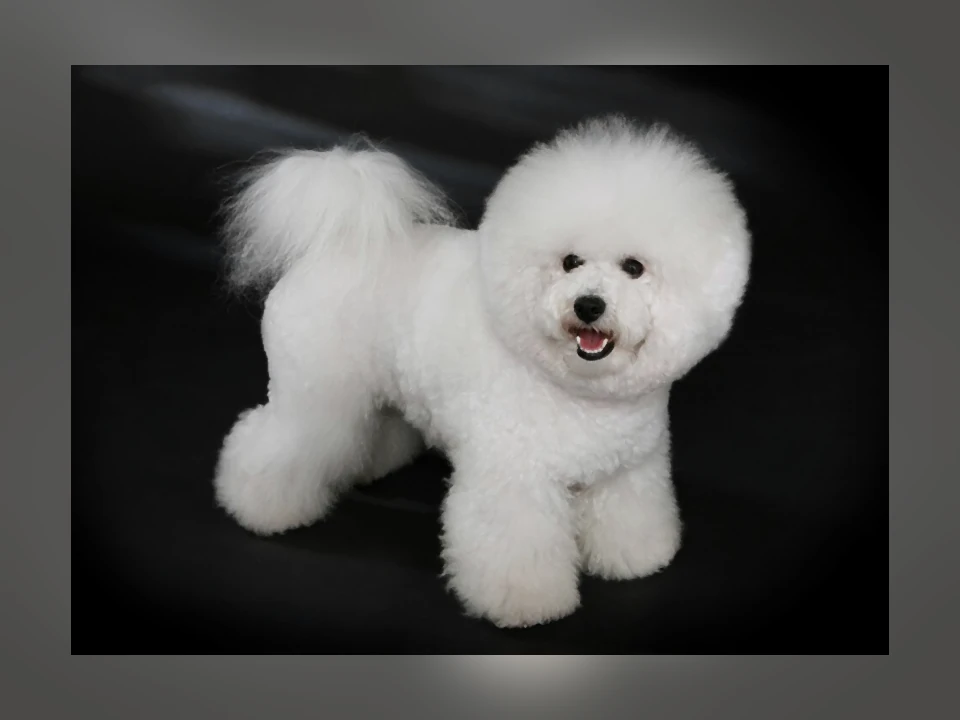
5Bichon Frise
Small · 14–15 yearsWhy it makes the list: Cheerful, trainable, and compact, with low shedding; commit to regular grooming.
Full Bichon Frise profileEnergy3/5Shedding1/5Grooming5/5 -
 6
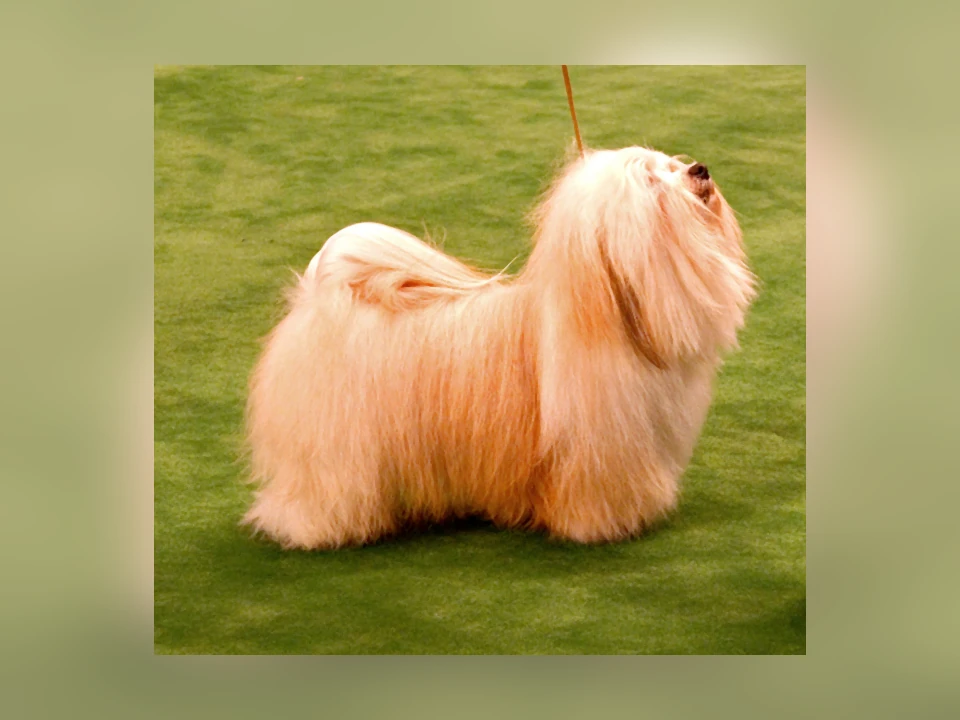
6Havanese
Small · 14–16 yearsWhy it makes the list: Friendly, smart, and adaptable to apartments or houses; thrives on company.
Full Havanese profileEnergy3/5Shedding1/5Grooming5/5 -
 7
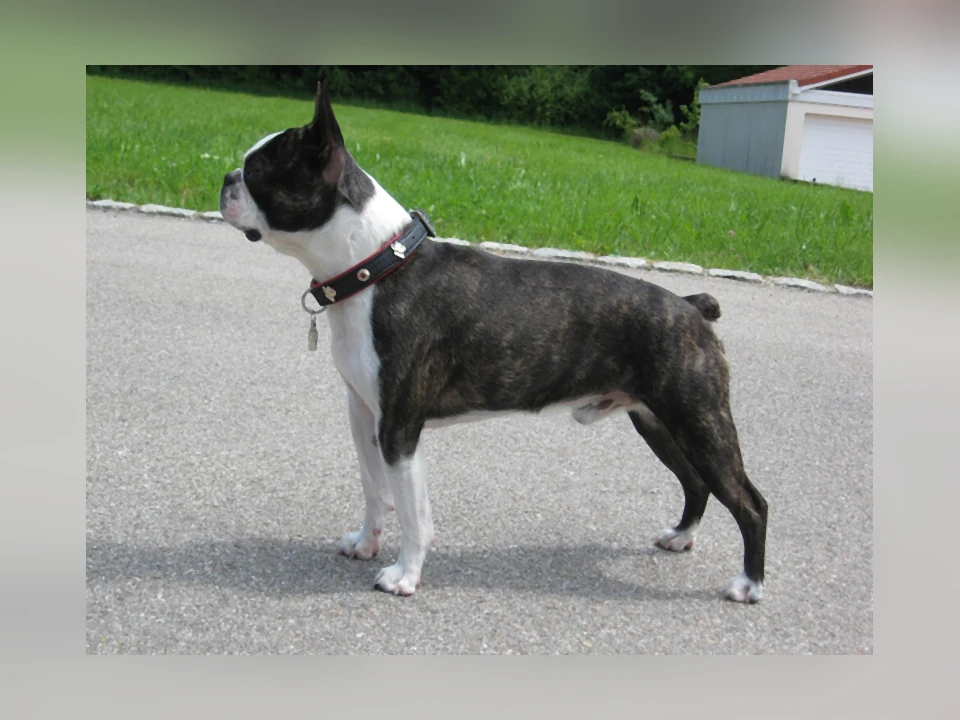
7Boston Terrier
Small · 11–13 yearsWhy it makes the list: Small, friendly, and moderate-energy with an easy coat — just mind the flat-faced heat limits.
Full Boston Terrier profileEnergy3/5Shedding2/5Grooming2/5 -
 8
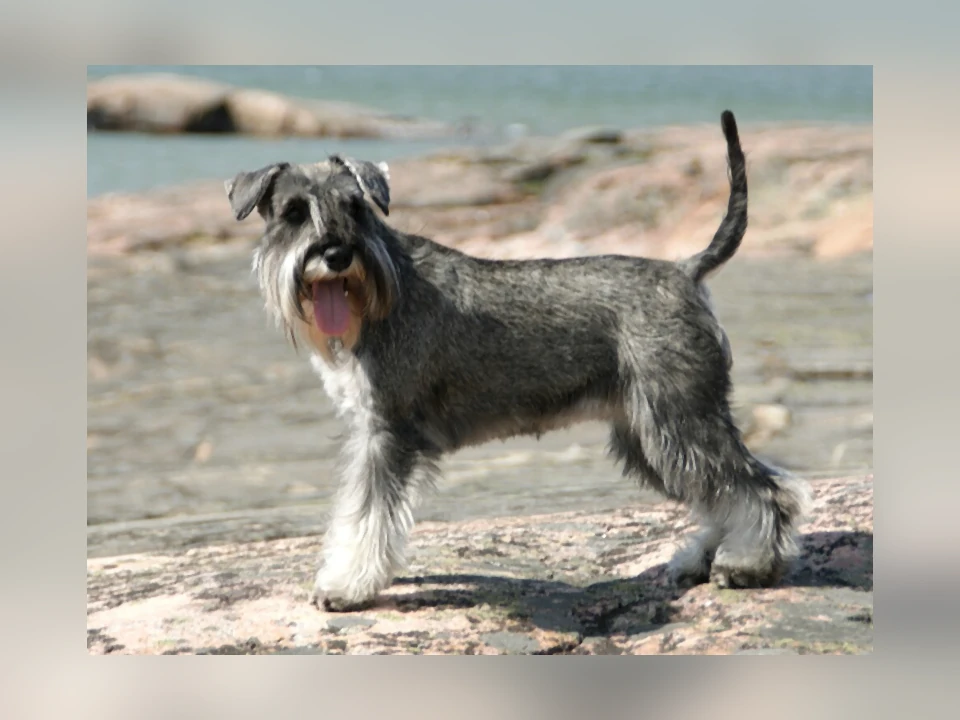
8Miniature Schnauzer
Small · 12–15 yearsWhy it makes the list: Smart, sturdy, and trainable, with low shedding; budget for grooming and a low-fat diet.
Full Miniature Schnauzer profileEnergy4/5Shedding1/5Grooming5/5
Frequently asked questions
What is the easiest dog breed for a first-time owner?
Breeds widely recommended for beginners include Labrador and Golden Retrievers, Poodles, Cavaliers, Bichons, and Havanese — they tend to be trainable and forgiving. The 'easiest' one is whichever matches your energy, space, and grooming commitment.
Should a first-time owner get a puppy or an adult dog?
An adult or senior dog — often from a shelter or breed rescue — can be much easier for beginners, since its temperament and energy are already known and the intense puppy phase is behind it. Puppies are rewarding but demand a lot of time, patience, and training.
Which dogs should first-time owners avoid?
High-drive working and guardian breeds — like Border Collies, Belgian Malinois, Huskies, and large protective breeds — are wonderful in the right hands but often overwhelm beginners. They need experienced handling, heavy exercise, and a real job.
More lists
Low-noise pet care
Get PetGrit care check-ins worth opening
New report workflows, calm checklists, and practical pet-care updates for dog and cat parents. No spam, no fear-selling. Unsubscribe anytime.
Prefer a personalized brief? Prepare a visit brief.