Best Dogs for Apartments
Apartment-friendly has less to do with size than with energy, noise, and temperament. These breeds fit small-space life — with the trade-offs.
Compare quickly
8 breed picks with live size, lifespan, energy, shedding, and grooming context.
The biggest myth about apartment dogs is that you just need a small one. Plenty of tiny breeds are barky, busy bundles of energy, while some larger dogs are famous couch potatoes. What actually matters for apartment life is moderate exercise needs, a calm indoor temperament, and not being a constant barker. These picks fit smaller spaces well — as long as you still get them out for daily walks and enrichment.
Visit preparation
Prepare questions about your pet
Use this reading to decide what to ask. Enter your own observations and questions in the visit tool; this list is not copied into the brief.
- 1
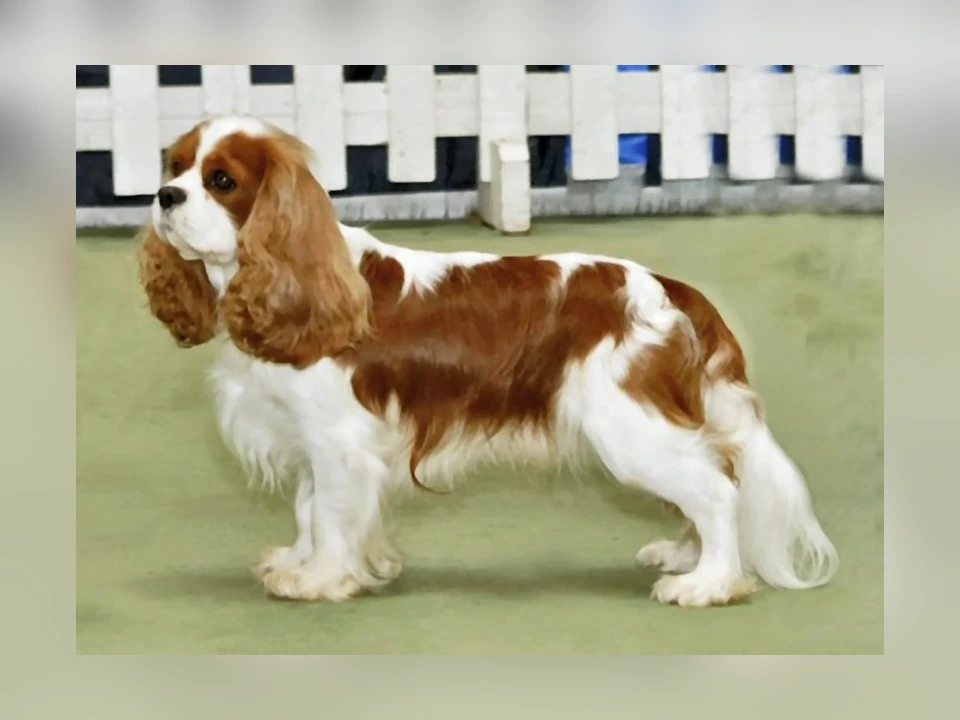
Cavalier King Charles Spaniel
Small · 9–14 yearsWhy it makes the list: Gentle, quiet, and adaptable — happy on a lap as long as it gets walks and isn't left alone too long.
Full Cavalier King Charles Spaniel profileEnergy3/5Shedding3/5Grooming3/5 -
 2
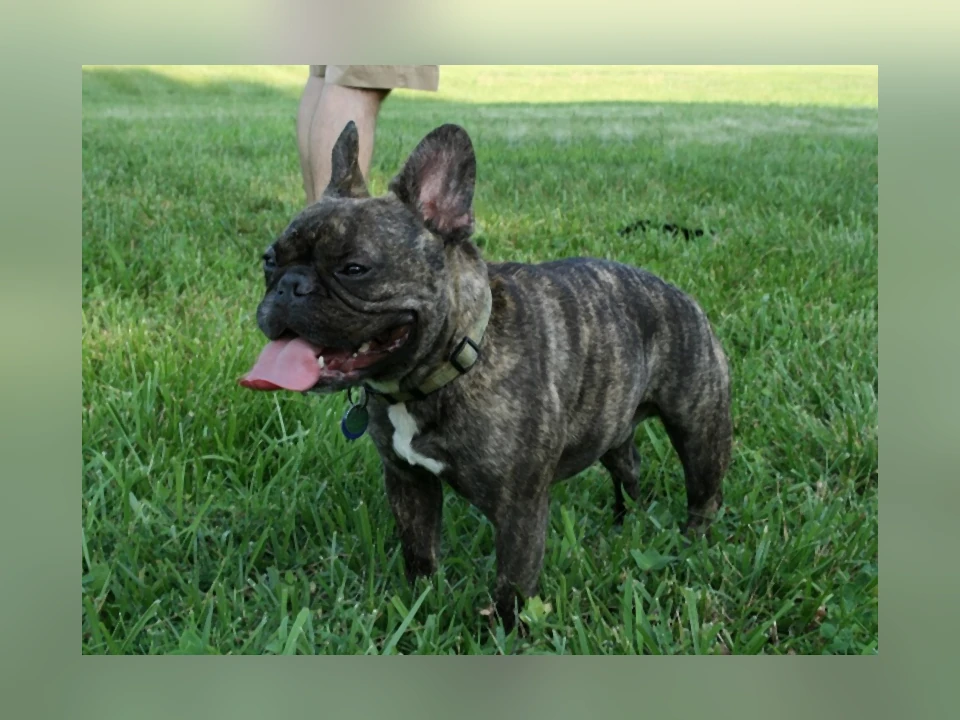
2French Bulldog
Small · 10–12 yearsWhy it makes the list: Low exercise needs and an easygoing nature, but mind the heat and breathing limits of a flat-faced breed.
Full French Bulldog profileEnergy2/5Shedding2/5Grooming2/5 -
 3
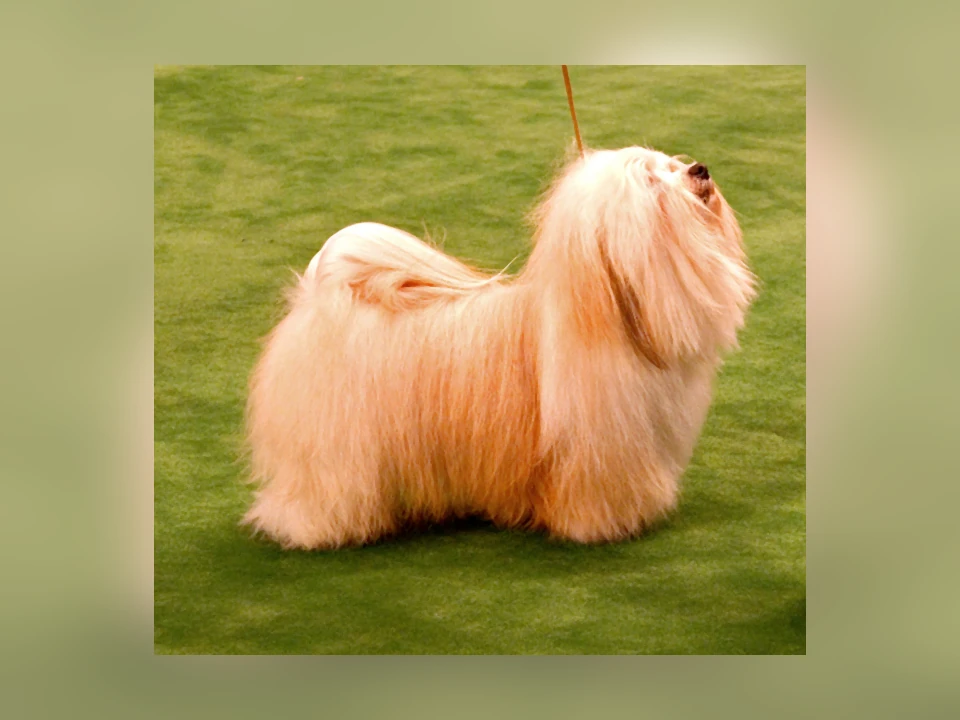
3Havanese
Small · 14–16 yearsWhy it makes the list: Cheerful, people-oriented, and small, with modest exercise needs — just commit to the grooming.
Full Havanese profileEnergy3/5Shedding1/5Grooming5/5 -
 4
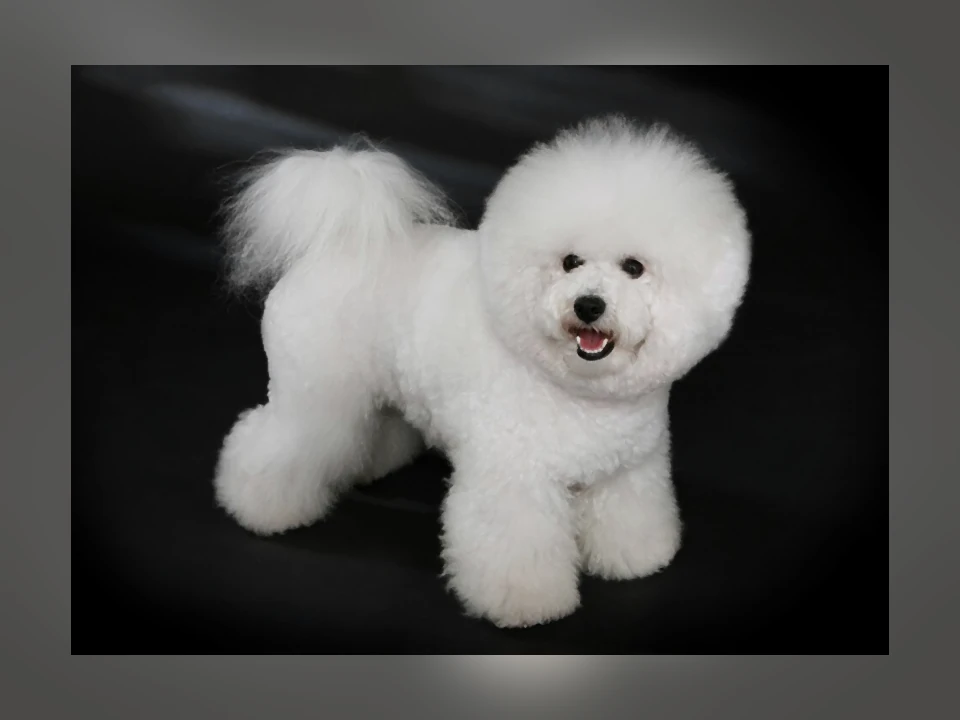
4Bichon Frise
Small · 14–15 yearsWhy it makes the list: Playful but compact, low-shedding, and adaptable to small-space living.
Full Bichon Frise profileEnergy3/5Shedding1/5Grooming5/5 -
 5
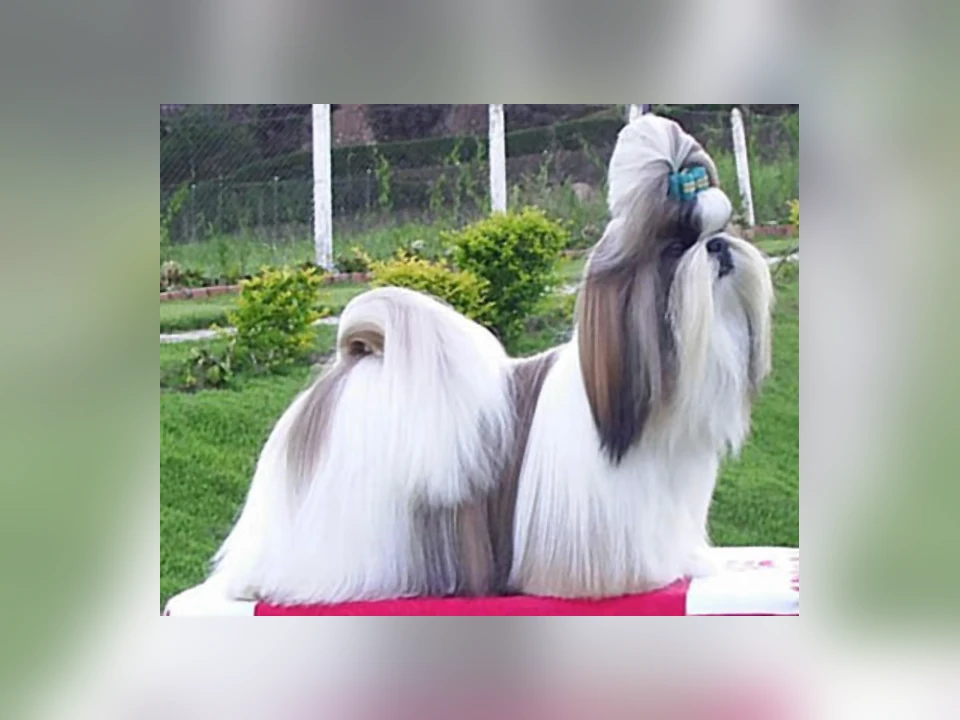
5Shih Tzu
Small · 10–18 yearsWhy it makes the list: A true companion breed bred for laps and small homes; low energy, though grooming and heat care matter.
Full Shih Tzu profileEnergy2/5Shedding1/5Grooming5/5 -
 6
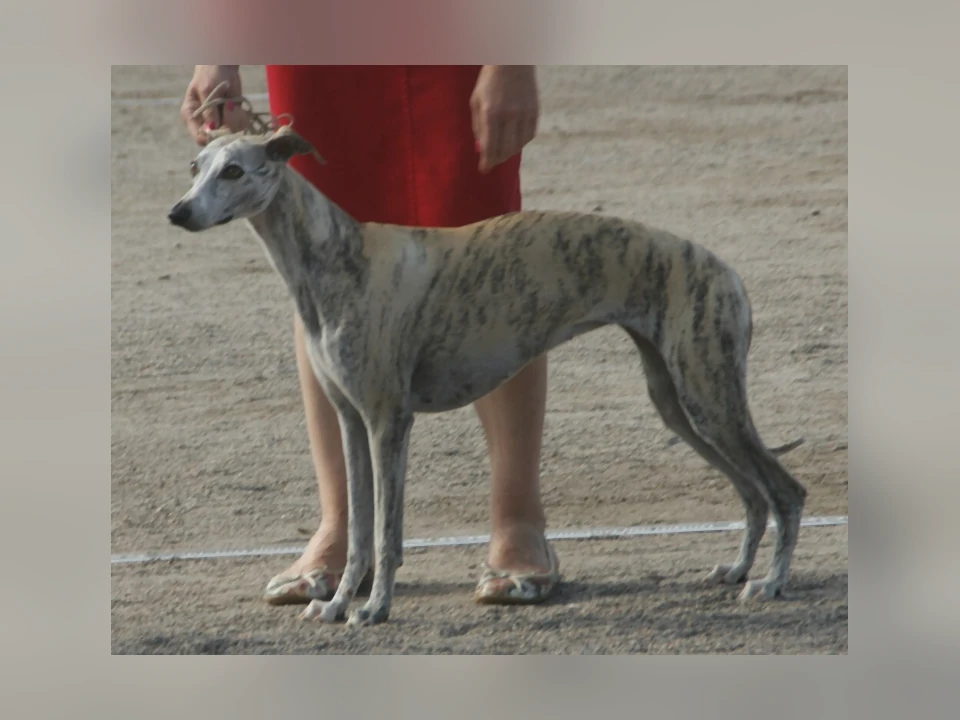
6Whippet
Medium · 12–15 yearsWhy it makes the list: Surprisingly apartment-friendly — a sprint at the park, then a long quiet nap on the couch.
Full Whippet profileEnergy3/5Shedding2/5Grooming1/5 -
 7
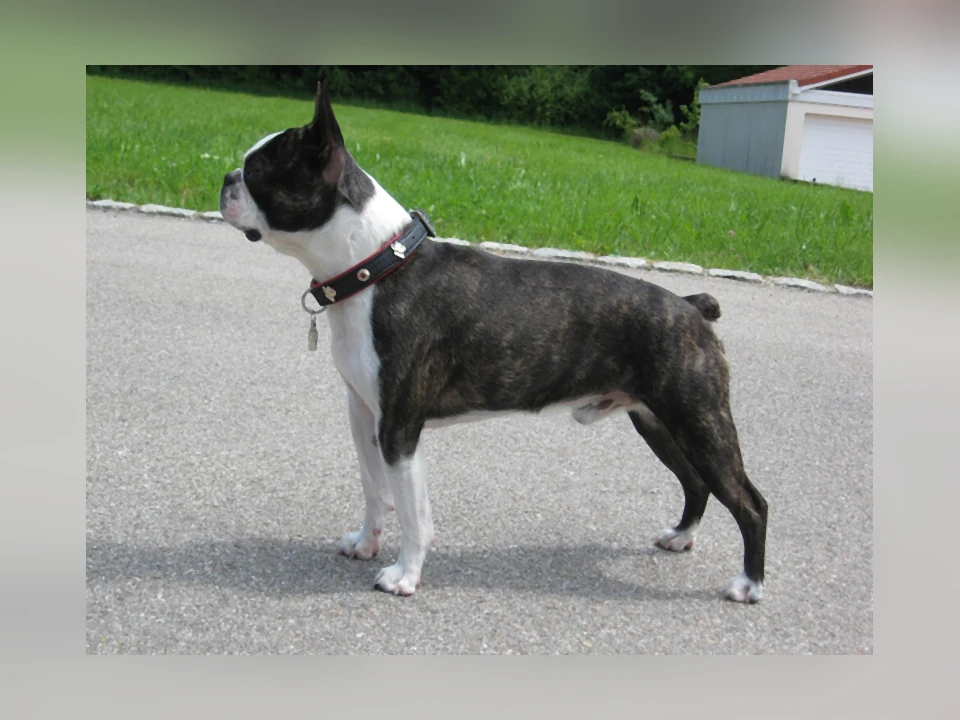
7Boston Terrier
Small · 11–13 yearsWhy it makes the list: Small, friendly, and moderate-energy; a flat-faced breed, so watch heat and exertion.
Full Boston Terrier profileEnergy3/5Shedding2/5Grooming2/5 -
 8
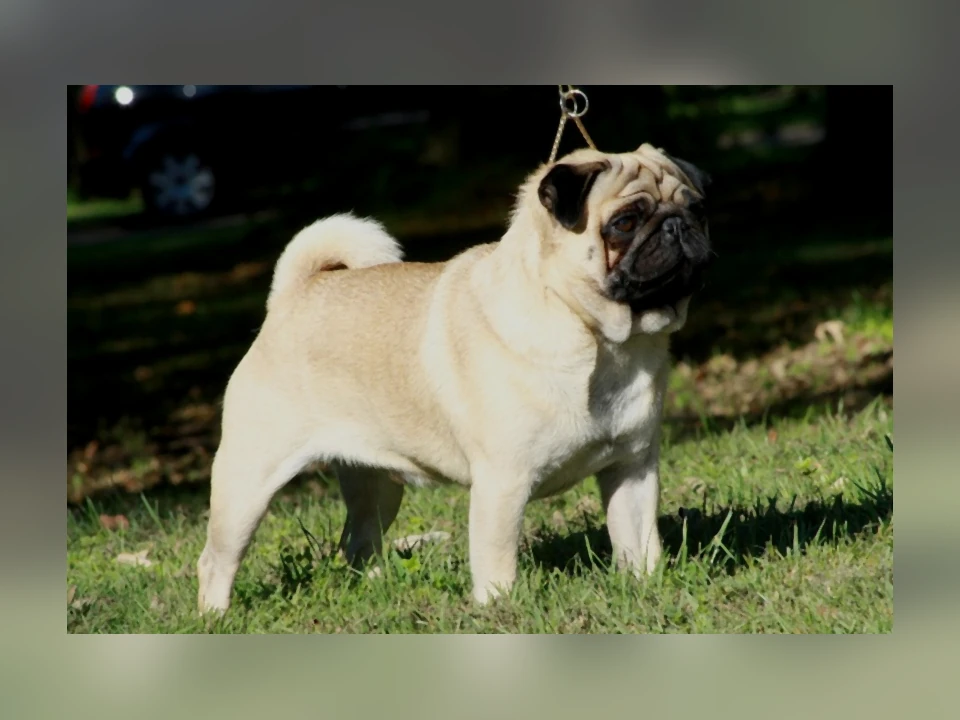
8Pug
Small · 13–15 yearsWhy it makes the list: Low exercise needs and devoted, but go in eyes-open on the serious flat-faced breathing and heat risks.
Full Pug profileEnergy2/5Shedding4/5Grooming2/5
Frequently asked questions
Do apartment dogs need a yard?
No — what they need is consistent daily walks and enrichment, not a yard. Many apartment-suited breeds do fine with a couple of walks plus indoor play. A yard is convenient but never a substitute for exercise and mental stimulation.
Are small dogs always better for apartments?
Not necessarily. Some small breeds are very vocal or high-energy, while some bigger dogs (like Greyhounds and Whippets) are calm indoors. Temperament, noise level, and exercise needs matter more than size alone.
What's the biggest mistake apartment dog owners make?
Underestimating exercise and enrichment. A bored, under-exercised dog in a small space is far more likely to bark, chew, and develop anxiety. Choose a breed whose needs you can realistically meet, and keep up daily walks.
More lists
Low-noise pet care
Get PetGrit care check-ins worth opening
New report workflows, calm checklists, and practical pet-care updates for dog and cat parents. No spam, no fear-selling. Unsubscribe anytime.
Prefer a personalized brief? Prepare a visit brief.