Best Low-Shedding Dogs
Low-shedding breeds leave less hair and dander around the house. Just know the honest truth: no dog is truly hypoallergenic.
Compare quickly
8 breed picks with live size, lifespan, energy, shedding, and grooming context.
Let's start with the honest part: there is no truly hypoallergenic dog. Allergies are triggered mainly by dander and proteins in saliva and urine — not just hair — so every dog produces some allergen. What these breeds offer is *less shedding*, which means less hair and dander spread around your home, and that can genuinely help some allergy sufferers and keep cleaning easier. The trade-off is almost always grooming: most low-shedding coats need regular brushing and professional clips. If allergies are the concern, spend time with the specific dog before committing.
Visit preparation
Prepare questions about your pet
Use this reading to decide what to ask. Enter your own observations and questions in the visit tool; this list is not copied into the brief.
- 1
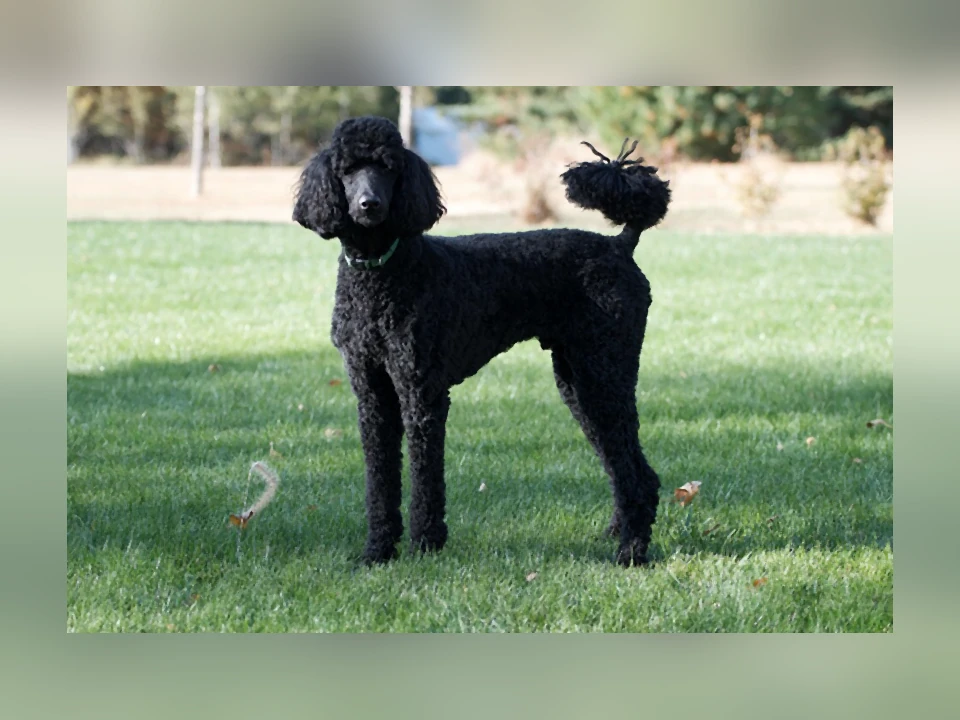
Poodle
Varies (Toy to Standard) · 12–15 yearsWhy it makes the list: The gold-standard low-shedding coat in three sizes; brilliant and trainable, but needs professional grooming every 4–6 weeks.
Full Poodle profileEnergy4/5Shedding1/5Grooming5/5 -
 2
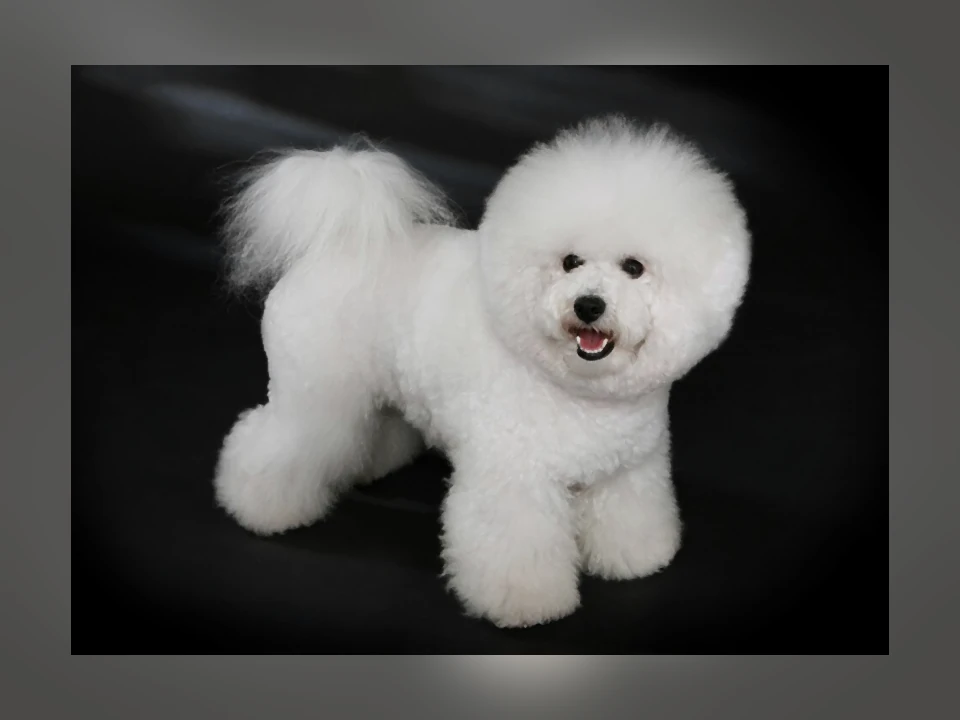
2Bichon Frise
Small · 14–15 yearsWhy it makes the list: A low-shedding white powder-puff; cheerful and compact, with a high grooming commitment.
Full Bichon Frise profileEnergy3/5Shedding1/5Grooming5/5 -
 3
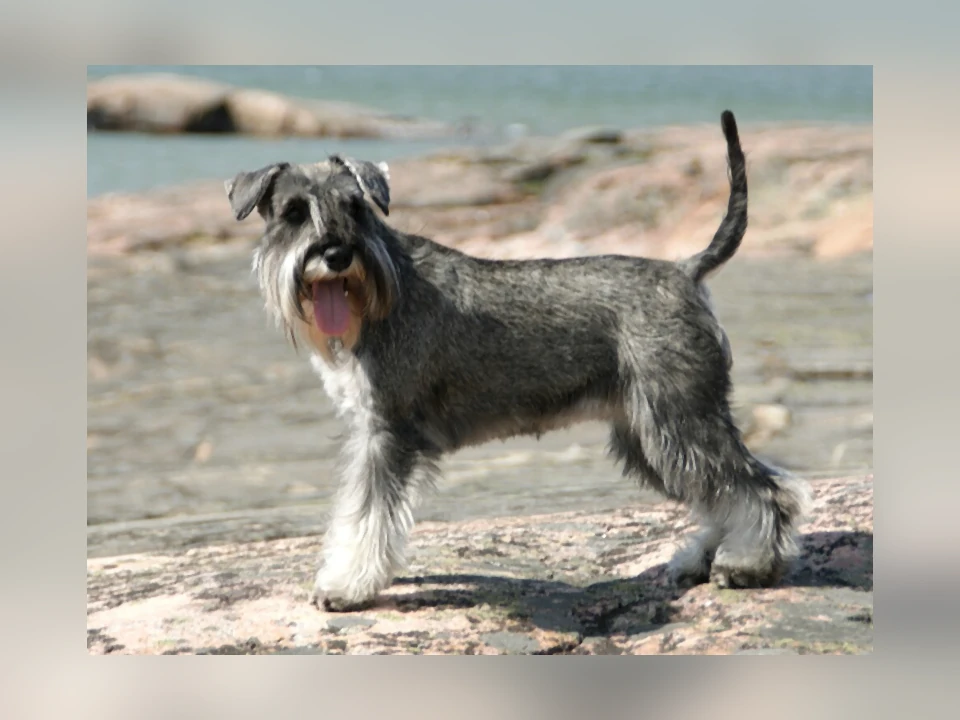
3Miniature Schnauzer
Small · 12–15 yearsWhy it makes the list: A wiry, low-shedding double coat; sturdy and smart, needing clipping or hand-stripping.
Full Miniature Schnauzer profileEnergy4/5Shedding1/5Grooming5/5 -
 4
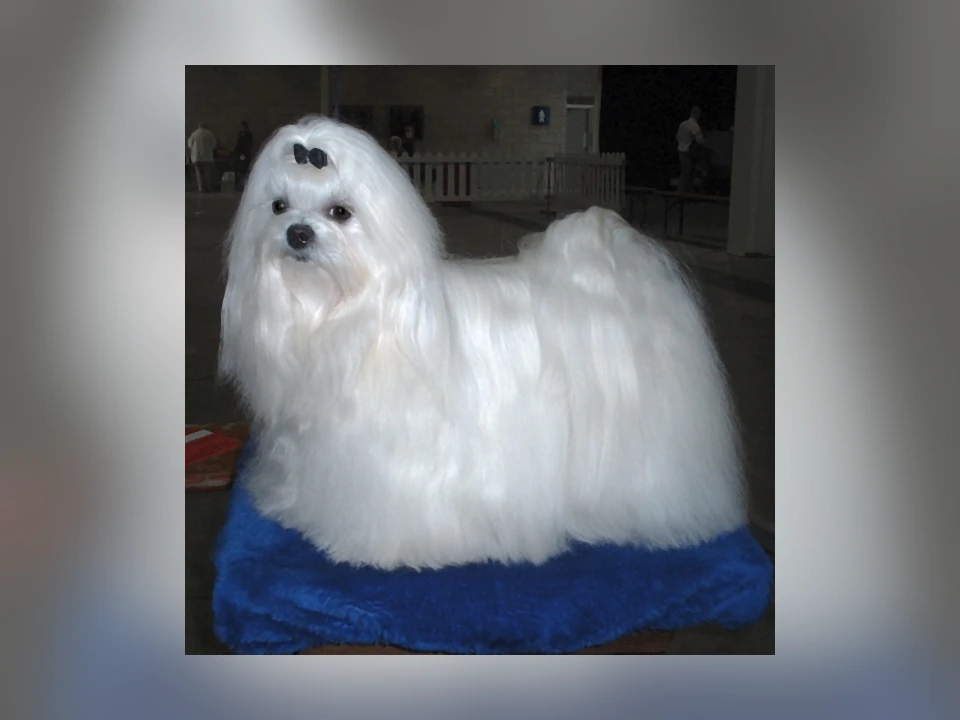
4Maltese
Small · 12–15 yearsWhy it makes the list: Silky and low-shedding; a tiny companion that needs daily brushing or a short clip.
Full Maltese profileEnergy3/5Shedding1/5Grooming5/5 -
 5
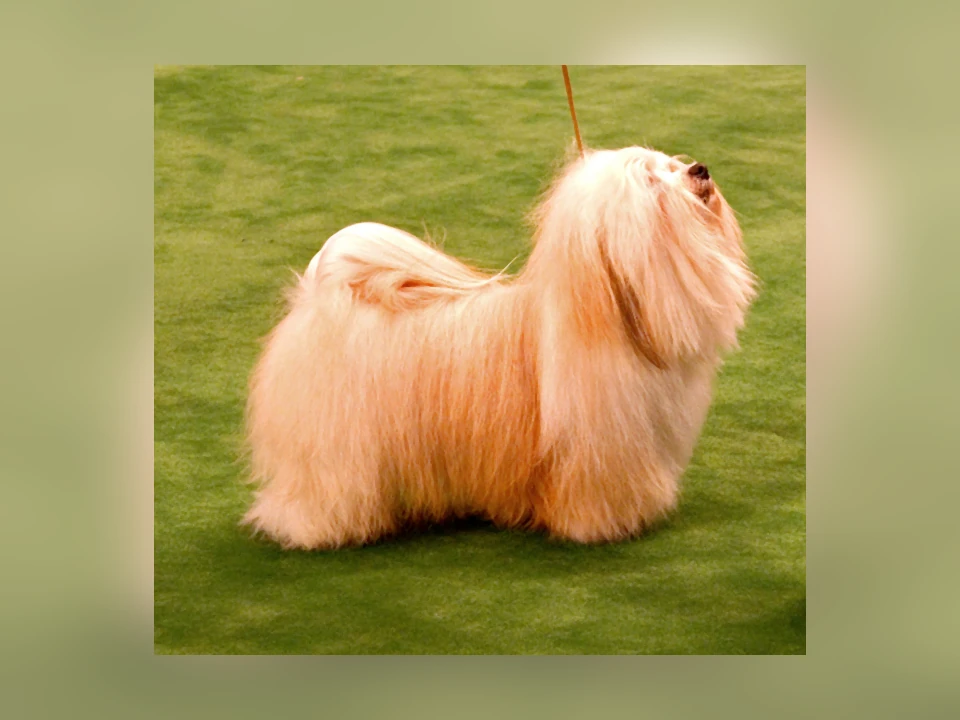
5Havanese
Small · 14–16 yearsWhy it makes the list: Low-shedding and people-loving; the silky coat mats without frequent brushing.
Full Havanese profileEnergy3/5Shedding1/5Grooming5/5 -
 6
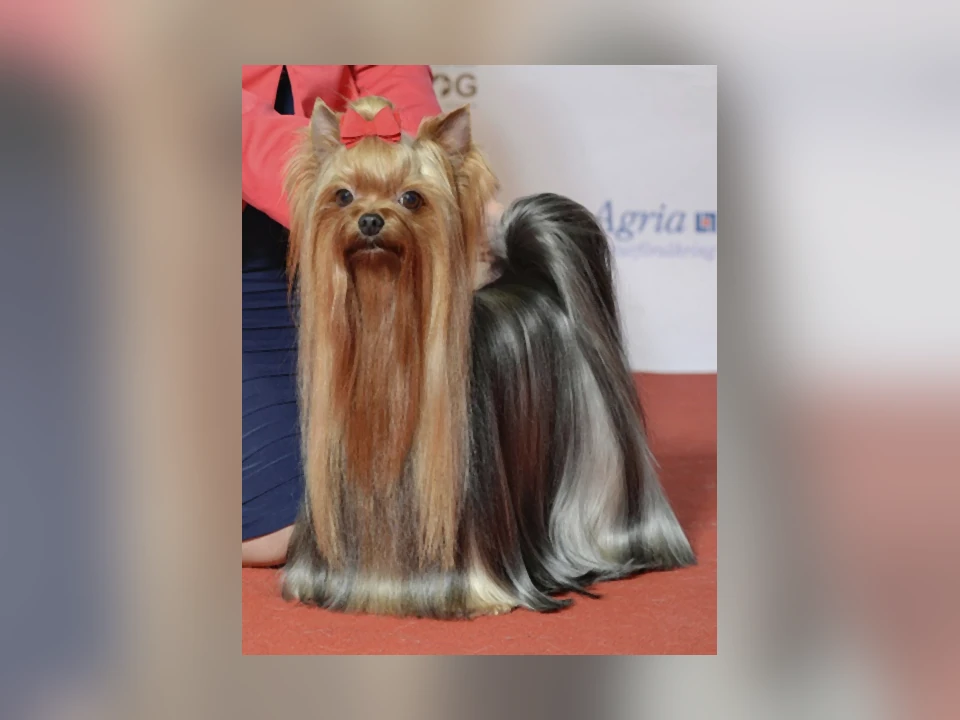
6Yorkshire Terrier
Small · 11–15 yearsWhy it makes the list: A low-shedding silky coat in a tiny package; budget for grooming and dental care.
Full Yorkshire Terrier profileEnergy3/5Shedding1/5Grooming5/5 -
 7
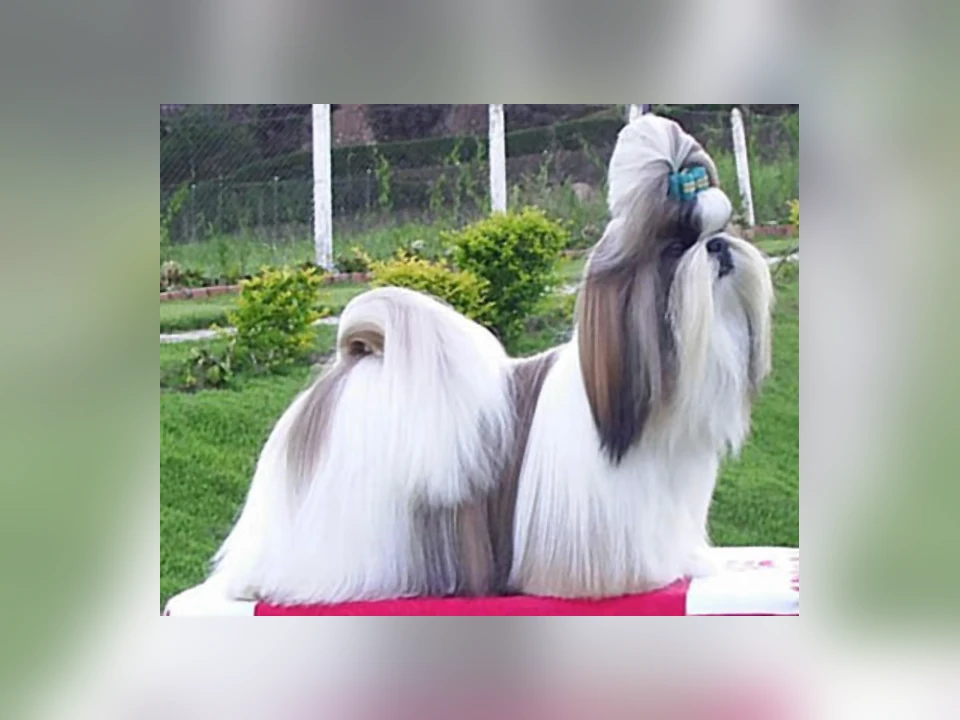
7Shih Tzu
Small · 10–18 yearsWhy it makes the list: Low-shedding and devoted; the long coat needs daily care or a practical 'puppy cut.'
Full Shih Tzu profileEnergy2/5Shedding1/5Grooming5/5 -
 8
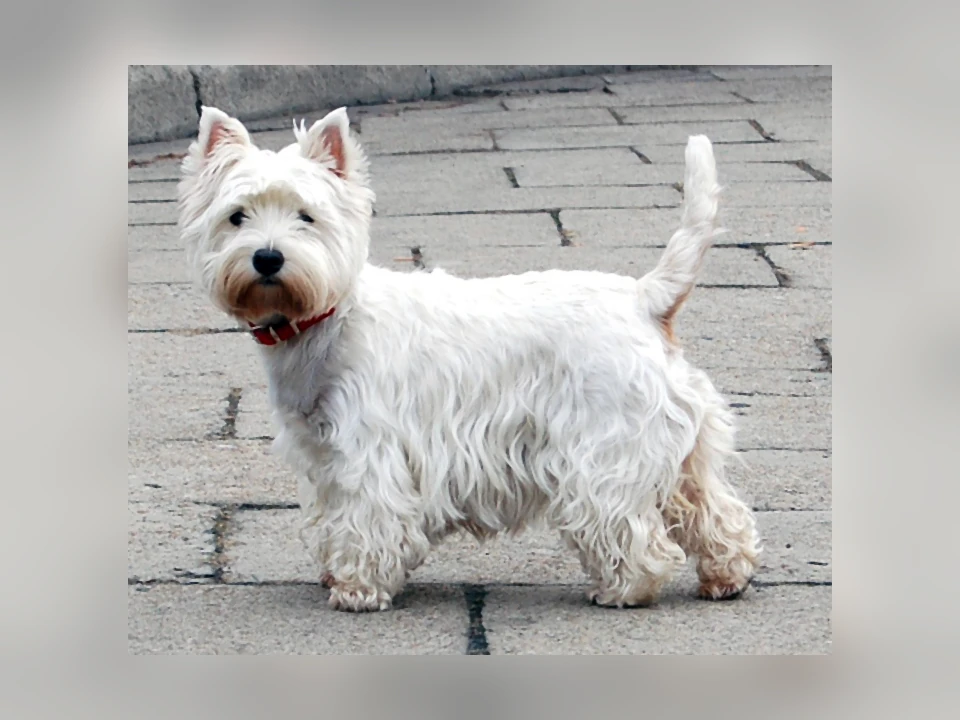
8West Highland White Terrier
Small · 13–15 yearsWhy it makes the list: Sheds relatively little, but is itself allergy-prone — and the harsh coat needs regular grooming.
Full West Highland White Terrier profileEnergy3/5Shedding2/5Grooming3/5
Frequently asked questions
Are any dogs truly hypoallergenic?
No. No dog breed is completely hypoallergenic. Allergic reactions come mainly from dander and proteins in saliva and urine, which all dogs produce. Low-shedding breeds spread less dander around the home, which can reduce symptoms for some people, but they don't eliminate allergens.
Do low-shedding dogs need less grooming?
Usually the opposite. Coats that don't shed tend to keep growing and trap loose hair, so they require regular brushing and professional clipping to prevent mats. Low-shedding almost always means a higher grooming commitment (or grooming bills).
How can I tell if a dog will trigger my allergies?
Spend extended time with the individual dog before committing — allergen levels vary even within a breed. Some allergists also suggest testing your reaction in the home environment. A low-shedding breed plus frequent cleaning, bathing, and air filtration can help.
More lists
Low-noise pet care
Get PetGrit care check-ins worth opening
New report workflows, calm checklists, and practical pet-care updates for dog and cat parents. No spam, no fear-selling. Unsubscribe anytime.
Prefer a personalized brief? Prepare a visit brief.