Best Family Dogs
A great family dog is patient with kids, sociable, and a good fit for a busy home. These breeds earn the reputation — if you meet their needs.
Compare quickly
8 breed picks with live size, lifespan, energy, shedding, and grooming context.
There's no single 'best' family dog — the right one depends on your activity level, space, and how much grooming and training you'll take on. But some breeds consistently shine in homes with children: they tend to be patient, tolerant, affectionate, and resilient. Just remember that temperament comes from individual breeding and early socialization, not the breed label alone, and that no dog and young child should ever be left unsupervised together.
Visit preparation
Prepare questions about your pet
Use this reading to decide what to ask. Enter your own observations and questions in the visit tool; this list is not copied into the brief.
-
 1
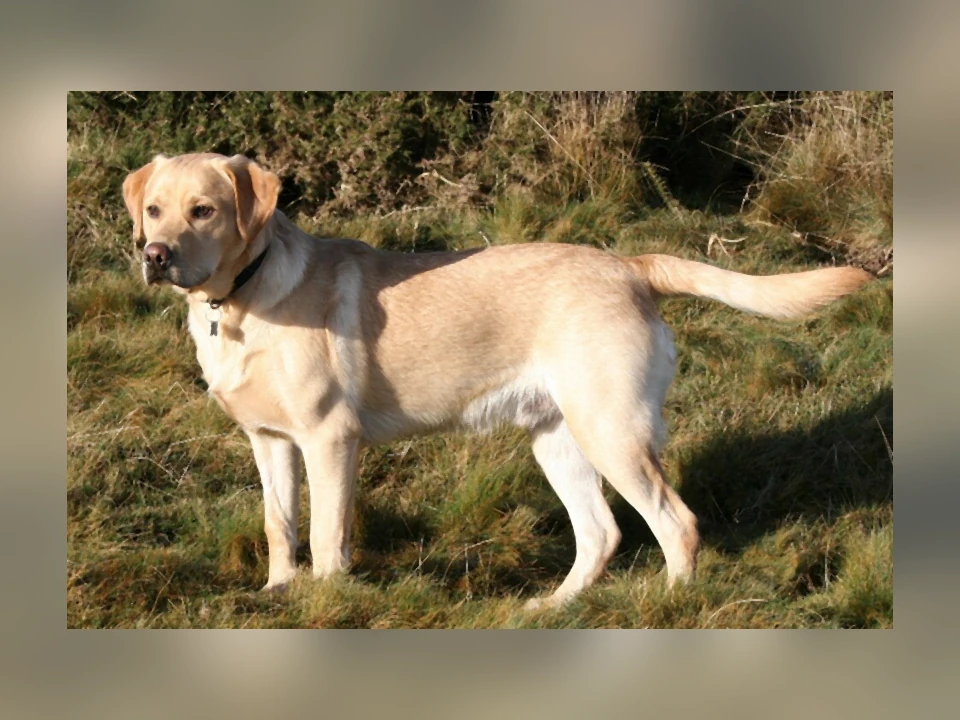
1Labrador Retriever
Large · 11–13 yearsWhy it makes the list: America's favorite family dog for good reason — friendly, patient, trainable, and endlessly tolerant; just meet its high exercise needs.
Full Labrador Retriever profileEnergy5/5Shedding4/5Grooming2/5 - 2
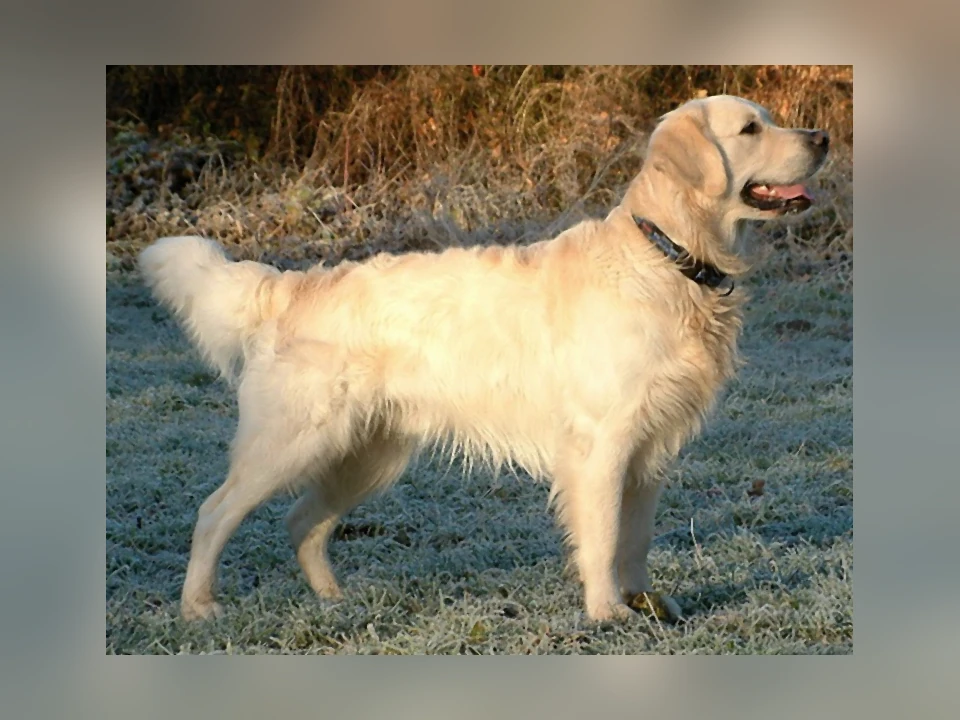
Golden Retriever
Large · 10–12 yearsWhy it makes the list: Gentle, devoted, and famously good with kids; budget for grooming, shedding, and exercise.
Full Golden Retriever profileEnergy5/5Shedding5/5Grooming4/5 -
 3
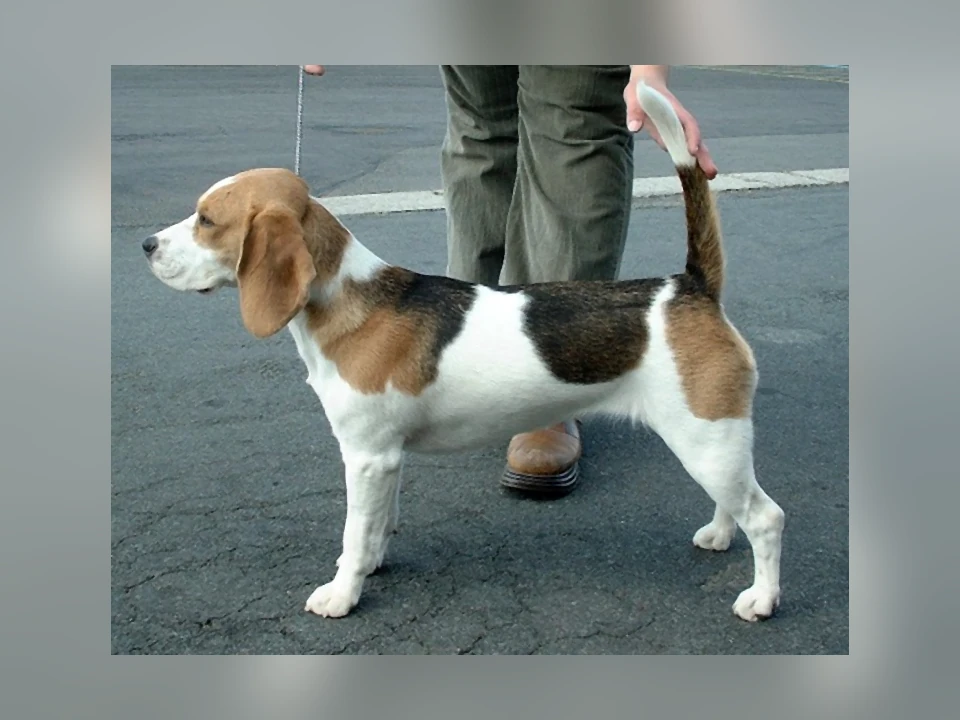
3Beagle
Small · 12–15 yearsWhy it makes the list: Merry, sturdy, and kid-friendly, with a manageable size — though the nose and the voice keep you busy.
Full Beagle profileEnergy4/5Shedding3/5Grooming2/5 -
 4
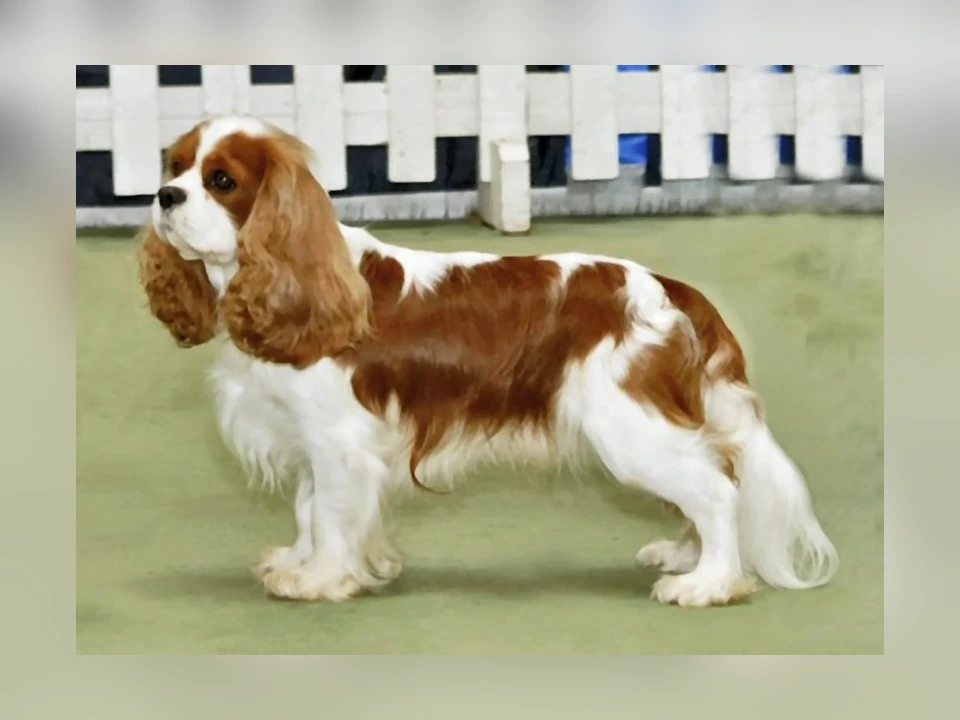
4Cavalier King Charles Spaniel
Small · 9–14 yearsWhy it makes the list: Sweet and adaptable, a wonderful smaller family dog; choose health-screened lines for the heart.
Full Cavalier King Charles Spaniel profileEnergy3/5Shedding3/5Grooming3/5 -
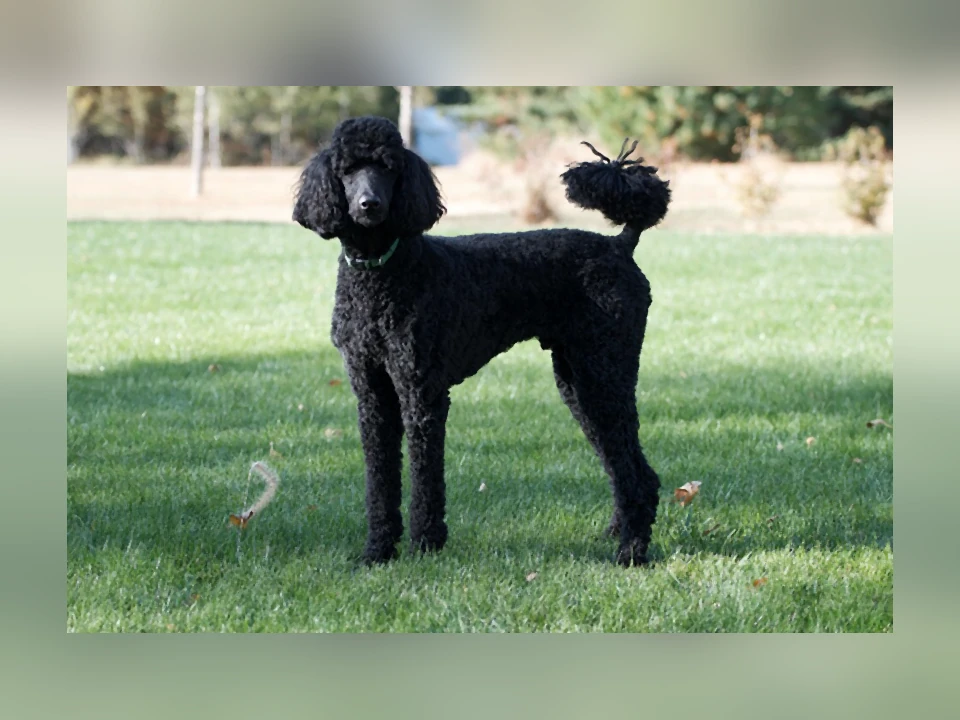 5
5Poodle
Varies (Toy to Standard) · 12–15 yearsWhy it makes the list: Smart, trainable, and low-shedding across three sizes, so you can match the dog to your home.
Full Poodle profileEnergy4/5Shedding1/5Grooming5/5 -
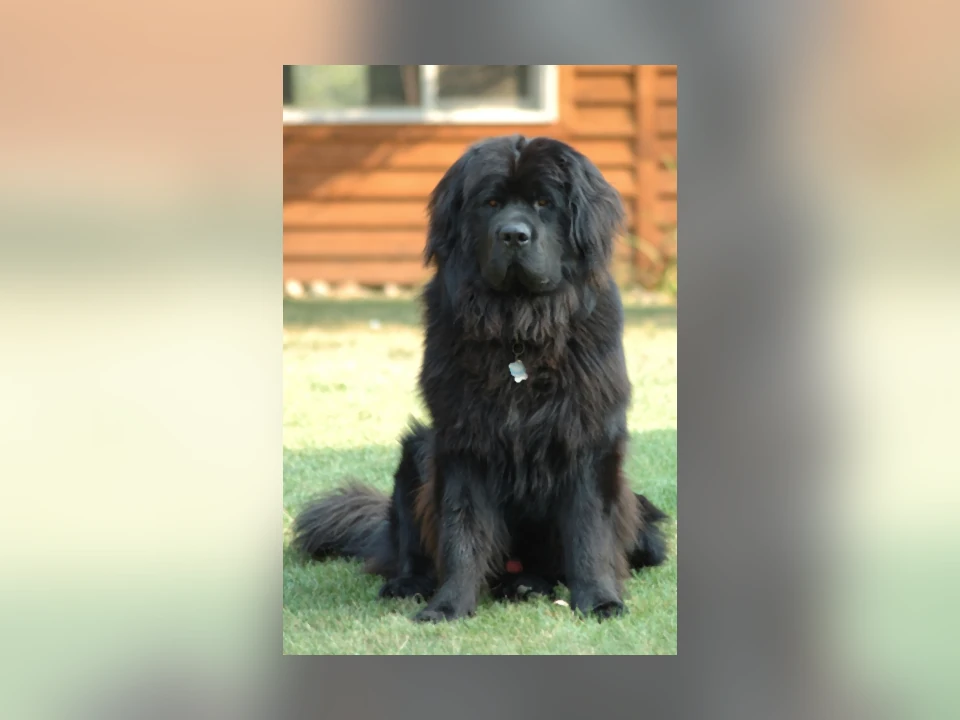 6
6Newfoundland
Giant · 9–10 yearsWhy it makes the list: The gentle giant 'nanny dog' — patient and sweet, if you have the space and accept the drool and shedding.
Full Newfoundland profileEnergy2/5Shedding5/5Grooming4/5 -
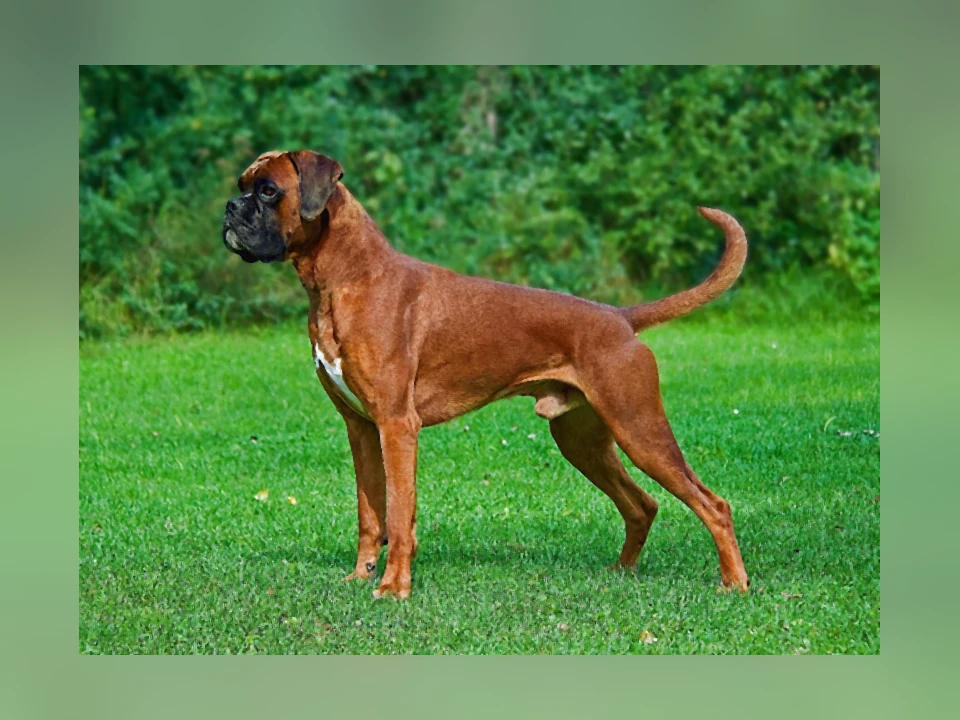 7
7Boxer
Large · 10–12 yearsWhy it makes the list: Playful, patient, and devoted to kids; an active, exuberant clown that needs exercise and training.
Full Boxer profileEnergy5/5Shedding2/5Grooming1/5 -
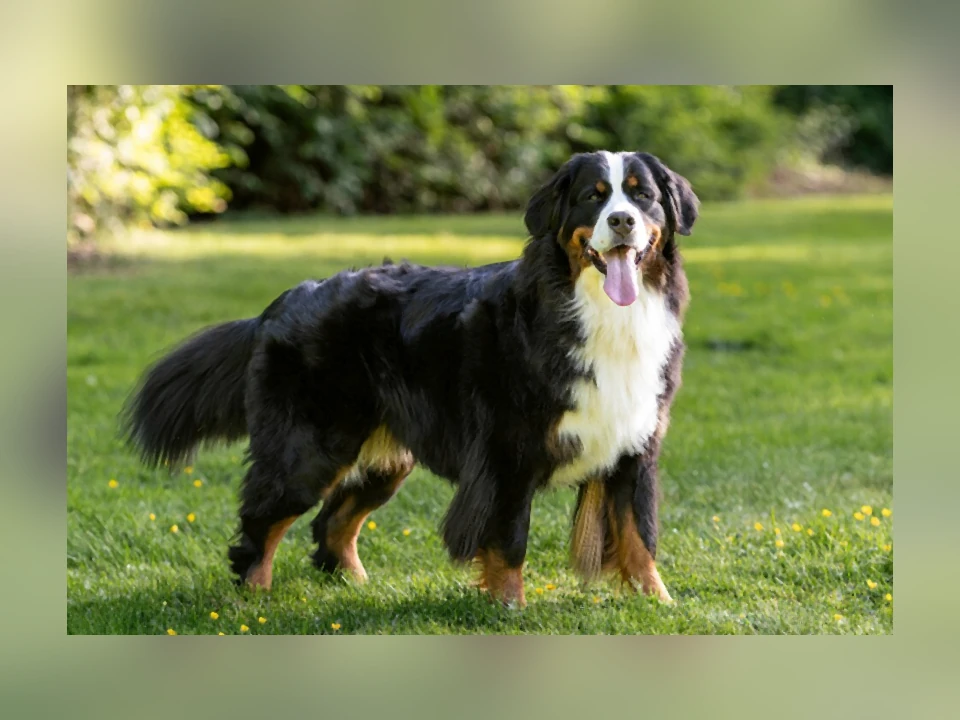 8
8Bernese Mountain Dog
Giant · 7–10 yearsWhy it makes the list: Affectionate and gentle with families, though the heavy shedding and short lifespan are real trade-offs.
Full Bernese Mountain Dog profileEnergy3/5Shedding5/5Grooming4/5
Frequently asked questions
What is the best dog breed for families with young kids?
Breeds often recommended for young children include Labrador and Golden Retrievers, Beagles, Cavaliers, and Poodles, thanks to their patience and sociability. But individual temperament and training matter most, and any dog should be supervised around small children.
Are big dogs or small dogs better for families?
Both can be excellent. Larger breeds like Labs and Newfoundlands are sturdy and tolerant of rough play, while smaller breeds can be more fragile around toddlers. Match the dog's energy and care needs to your household rather than focusing on size.
How do I keep kids and dogs safe together?
Never leave young children and dogs unsupervised, teach kids to respect a dog's space (especially when eating or sleeping), and give the dog a safe retreat. Early socialization and reward-based training set everyone up for success.
More lists
Low-noise pet care
Get PetGrit care check-ins worth opening
New report workflows, calm checklists, and practical pet-care updates for dog and cat parents. No spam, no fear-selling. Unsubscribe anytime.
Prefer a personalized brief? Prepare a visit brief.