Best Cats for Families
Great family cats are patient, sociable, and unflappable around kids and other pets. These breeds tend to fit busy households.
Compare quickly
8 breed picks with live size, lifespan, energy, shedding, and grooming context.
The best family cats share a few traits: they're tolerant of handling, sociable rather than skittish, and easygoing around the noise and unpredictability of children. Temperament varies by individual, and a well-socialized mixed-breed cat from a shelter can be the best family cat of all. Whatever you choose, teach children to handle cats gently, give the cat escape routes and high perches, and never force interaction — a cat that can retreat is a cat that stays friendly.
Visit preparation
Prepare questions about your pet
Use this reading to decide what to ask. Enter your own observations and questions in the visit tool; this list is not copied into the brief.
- 1
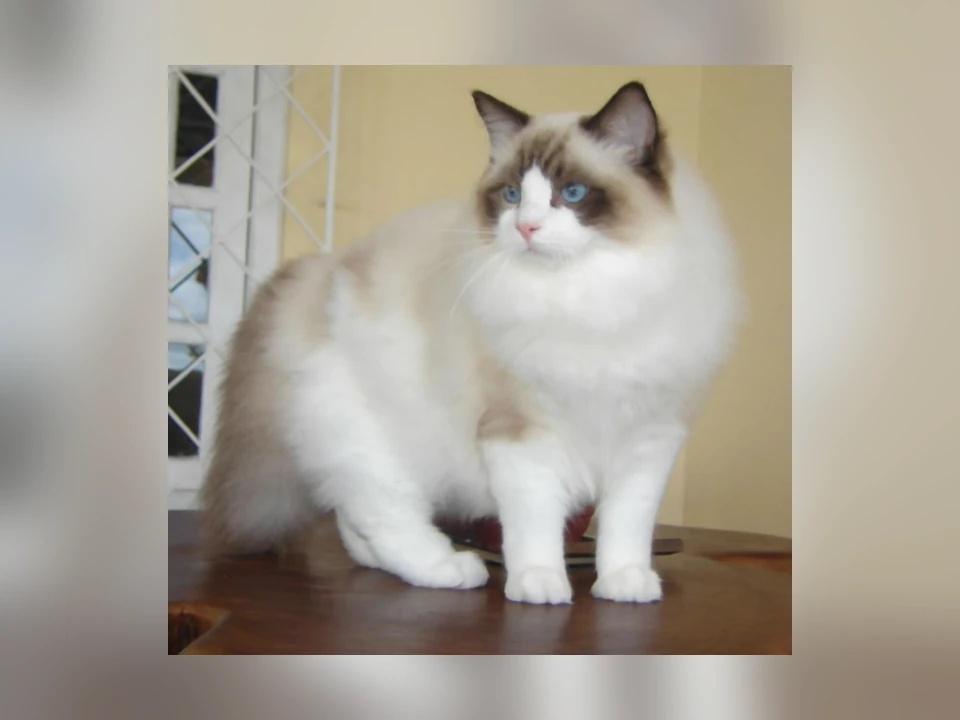
Ragdoll
Large · 12–15 yearsWhy it makes the list: Famously docile and affectionate — many go limp when held, making them wonderfully patient with gentle kids.
Full Ragdoll profileEnergy2/5Shedding4/5Grooming4/5 -
 2
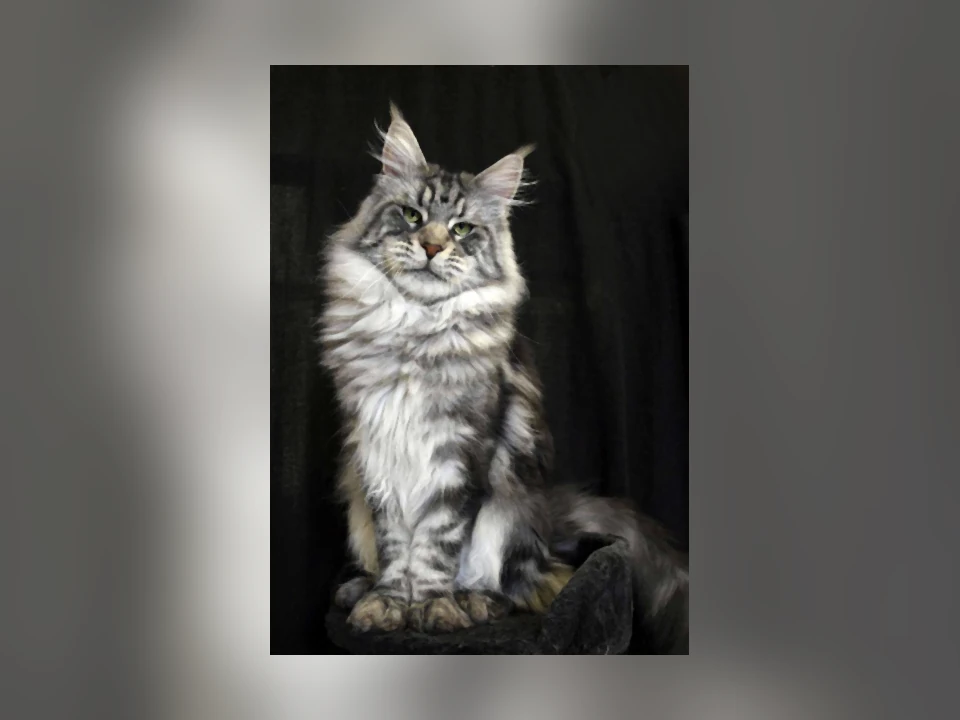
2Maine Coon
Large · 12–15 yearsWhy it makes the list: A friendly, dog-like 'gentle giant' that's sociable, playful, and good with children and other pets.
Full Maine Coon profileEnergy4/5Shedding4/5Grooming4/5 -
 3
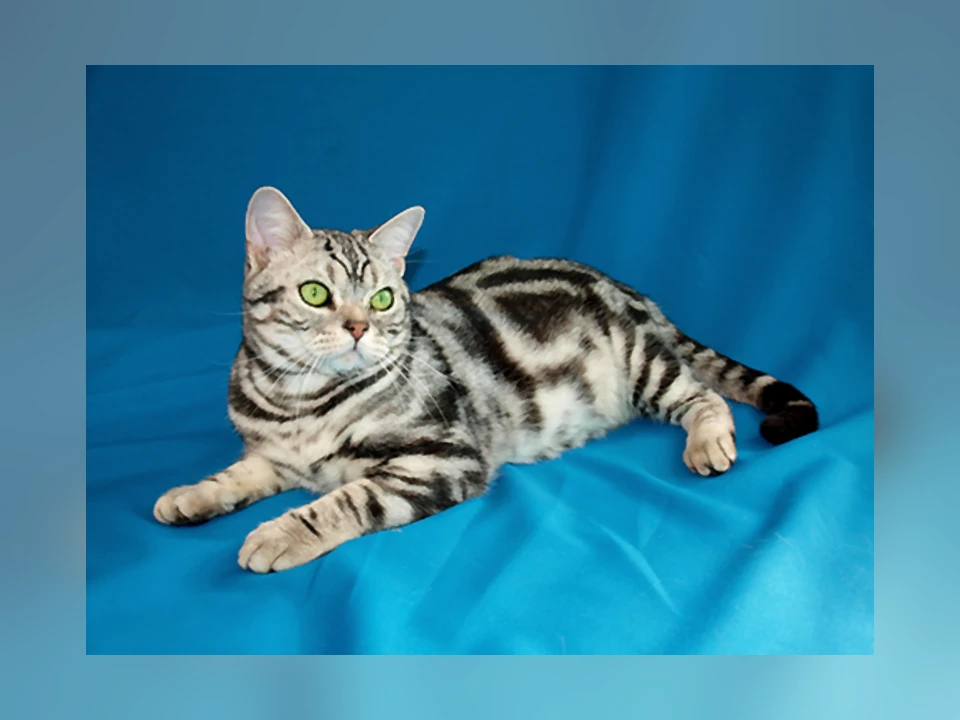
3American Shorthair
Medium-Large · 15–20 yearsWhy it makes the list: An even-tempered, adaptable all-rounder — a low-drama classic family cat.
Full American Shorthair profileEnergy3/5Shedding3/5Grooming2/5 -
 4
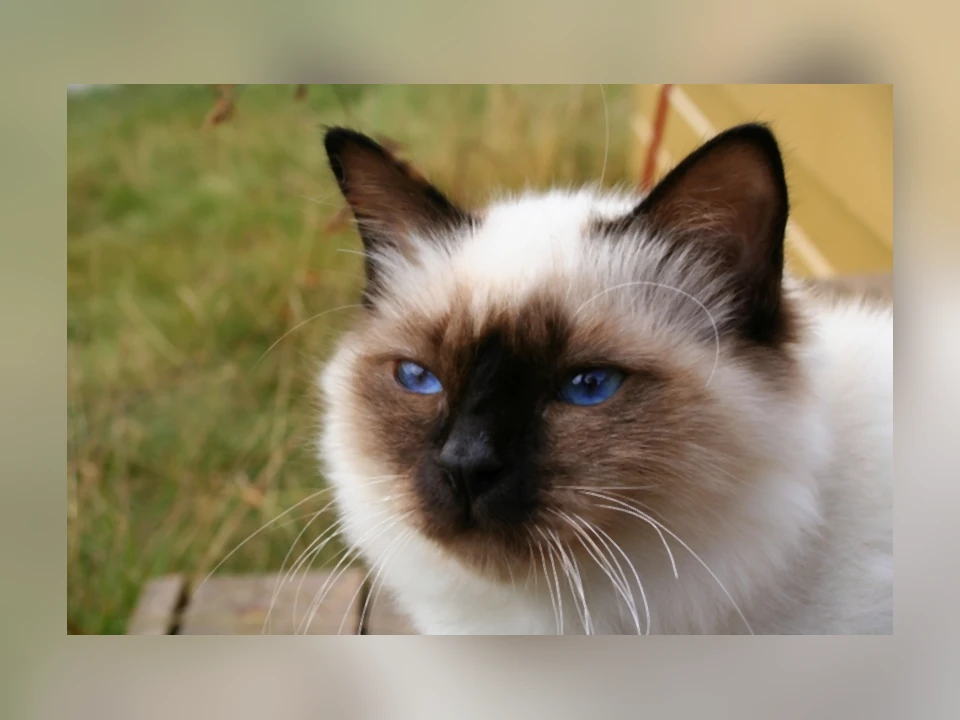
4Birman
Medium-Large · 12–16 yearsWhy it makes the list: Gentle, calm, and people-loving; gets along easily with kids and other animals.
Full Birman profileEnergy3/5Shedding3/5Grooming2/5 -
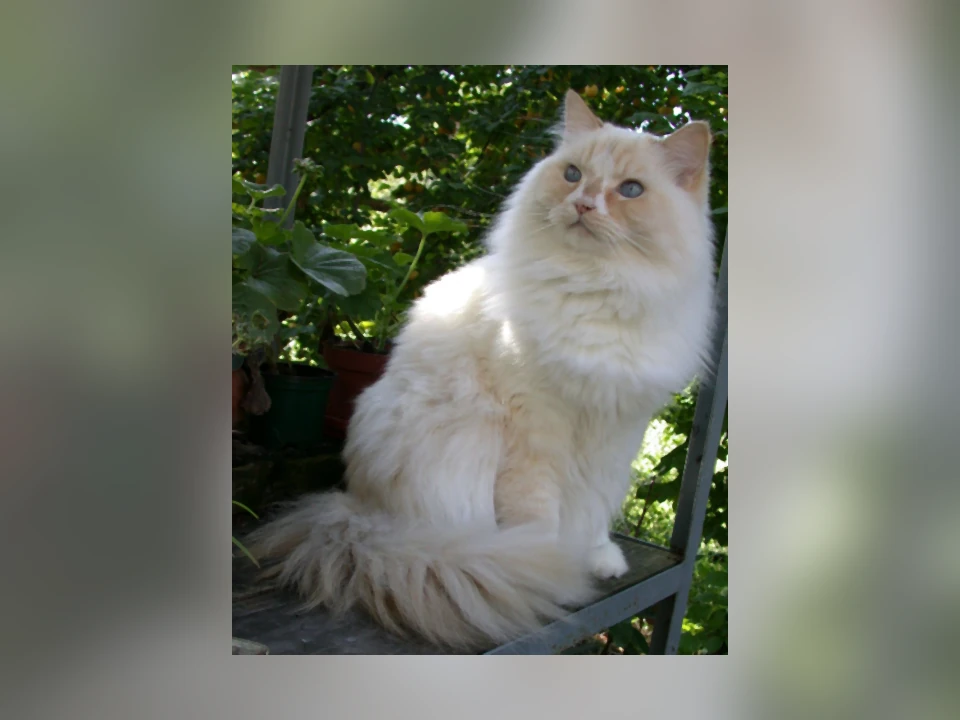 5
5Ragamuffin
Large · 12–16 yearsWhy it makes the list: Big, mellow, and exceptionally affectionate — a huggable lap cat that tolerates handling well.
Full Ragamuffin profileEnergy2/5Shedding3/5Grooming3/5 -
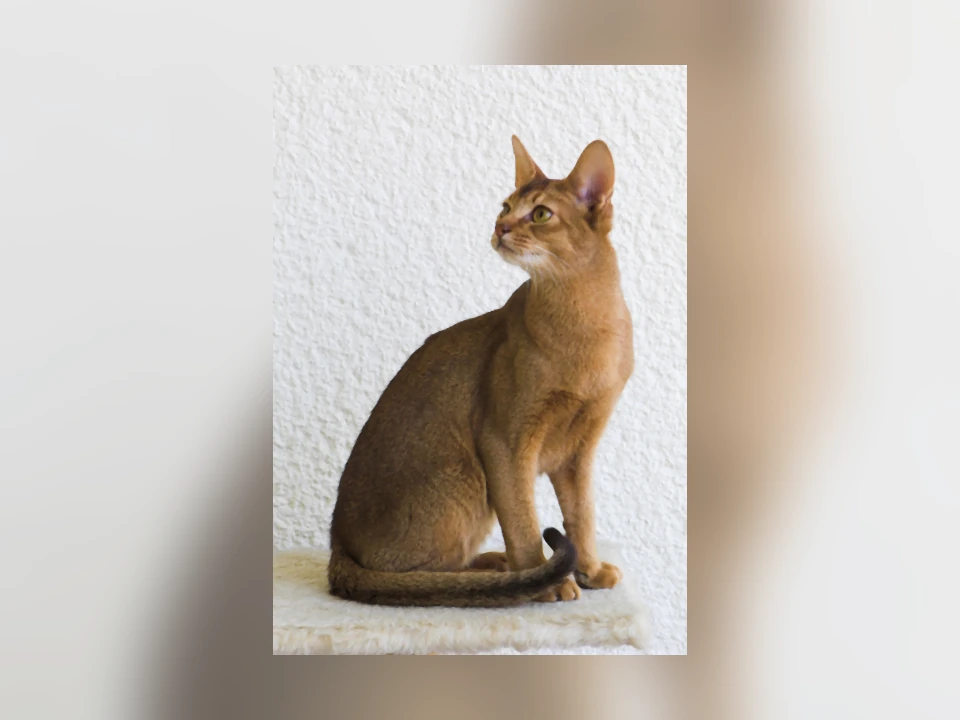 6
6Abyssinian
Medium · 9–15 yearsWhy it makes the list: Playful and engaging into old age; great for active families who'll keep it busy (not a lap cat).
Full Abyssinian profileEnergy5/5Shedding2/5Grooming1/5 -
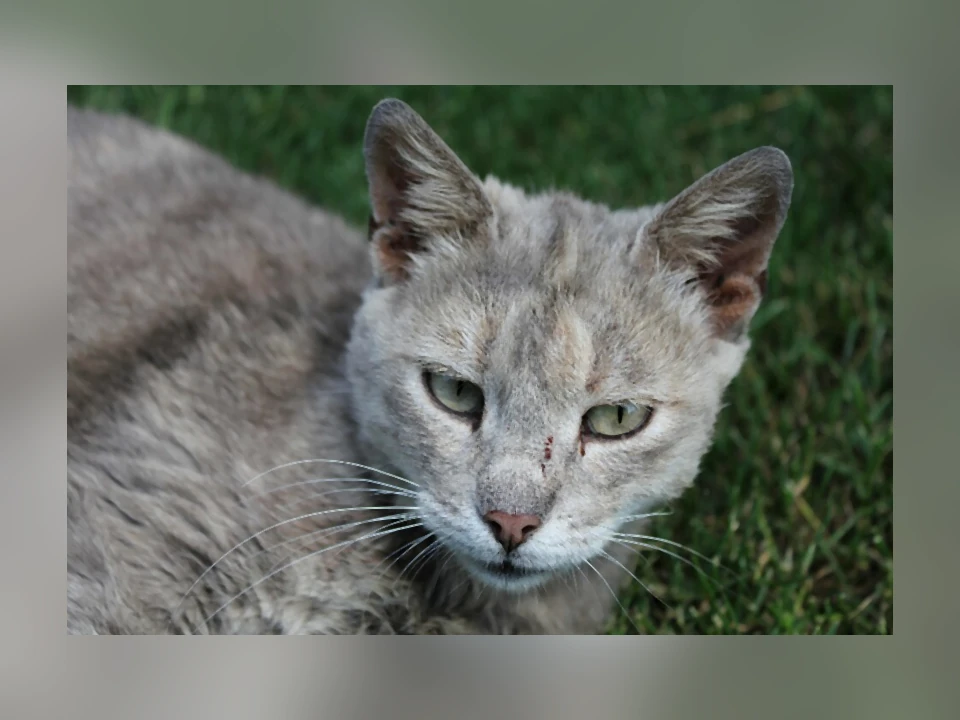 7
7Domestic Shorthair
Medium · 12–18 yearsWhy it makes the list: The everyday cat — adopt a friendly, well-socialized one and you get a healthy, adaptable family companion.
Full Domestic Shorthair profileEnergy3/5Shedding3/5Grooming1/5 -
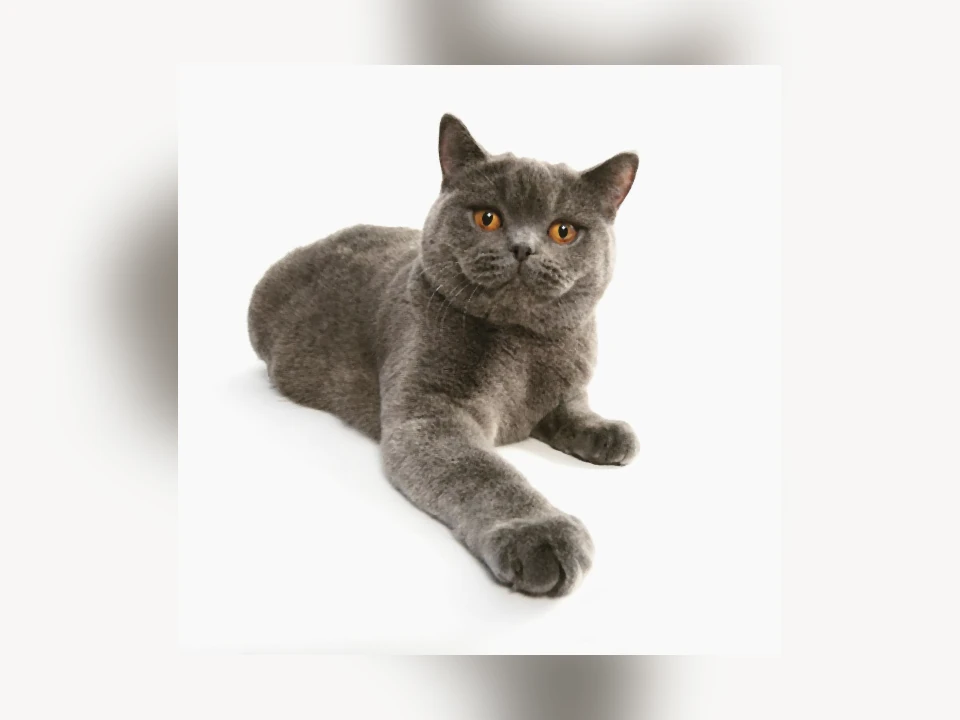 8
8British Shorthair
Medium-Large · 12-16 yearsWhy it makes the list: Calm and easygoing, tolerant of household bustle — affectionate but often prefers sitting beside you to being carried.
Full British Shorthair profileEnergy2/5Shedding3/5Grooming2/5
Frequently asked questions
What is the best cat breed for families with kids?
Ragdolls, Maine Coons, American Shorthairs, Birmans, and Ragamuffins are often recommended for families because they tend to be tolerant and sociable. A friendly, well-socialized shelter cat can be just as good — temperament matters more than breed.
Are cats or kittens better with young children?
An adult cat with a known, easygoing temperament is often a safer bet than a kitten, whose personality is still developing and whose play can include scratching and biting. Either way, supervise interactions and teach children gentle handling.
How do I help a cat feel safe in a busy household?
Give it vertical space and quiet retreats where kids can't follow, keep litter boxes and food in calm spots, and let the cat approach on its own terms. A cat that can always escape pressure stays confident and friendly.
More lists
Low-noise pet care
Get PetGrit care check-ins worth opening
New report workflows, calm checklists, and practical pet-care updates for dog and cat parents. No spam, no fear-selling. Unsubscribe anytime.
Prefer a personalized brief? Prepare a visit brief.